AI Expert Gives Chilling Answer on Which Jobs Are Safe From AI
© CC BY-SA 4.0
As artificial intelligence continues to transform workplaces, one of the biggest questions on people’s minds is simple: Which jobs are safe from AI? According to a leading AI creator, the real answer may be far less comforting than many hope.
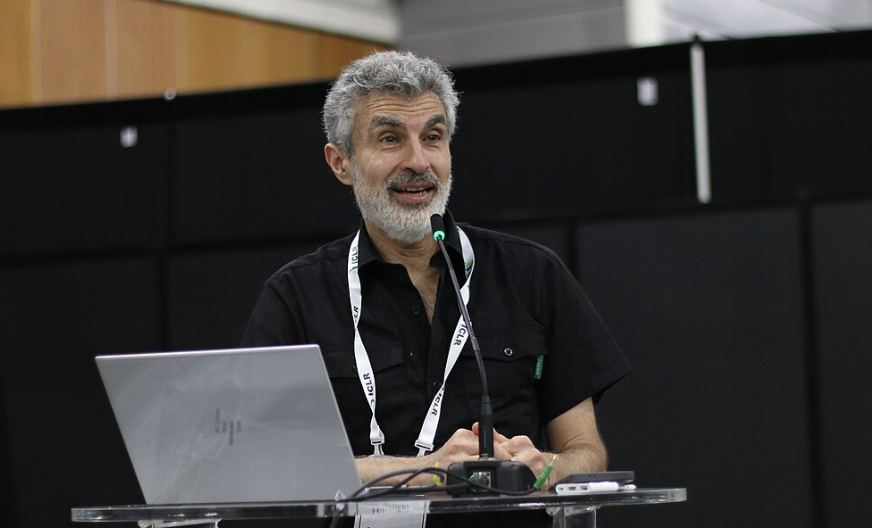
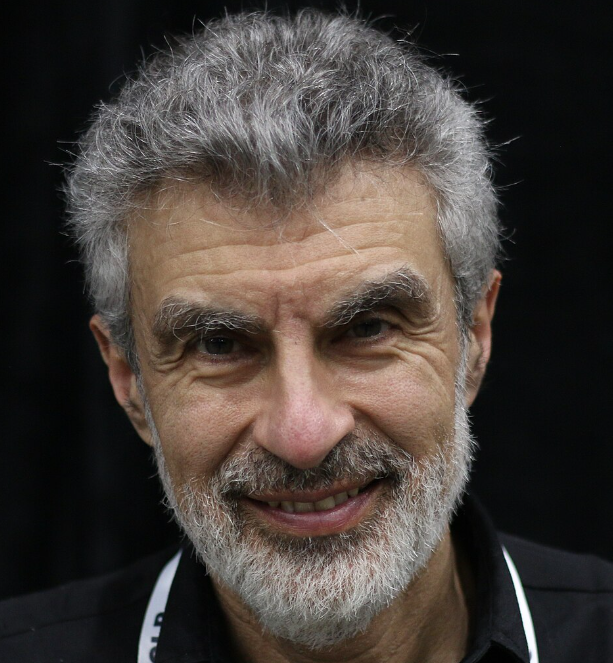
He told LADbible that almost all jobs humans do now could eventually be performed by AI systems, with only a handful of roles — mainly physical, hands-on jobs — likely to remain untouched for some time.
AI May Do Almost Everything — But Not Yet
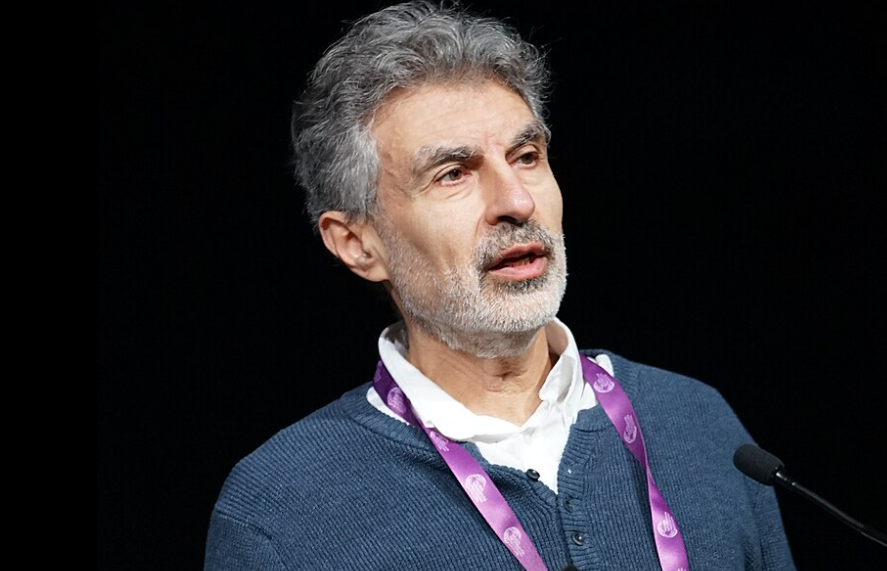
When asked whether jobs could be safe from AI’s rapid progress, the creator explained that AI systems are becoming more capable of performing “cognitive jobs” — tasks involving thinking, planning, writing, or analysis — and could take over many roles currently done behind keyboards. Unless AI development hits a scientific barrier, he suggested, AI could eventually do most work humans do today.
That’s unsettling if your career depends on routine tasks, document drafting, basic data processing, or information management — areas where AI is already making inroads. Studies have shown that jobs involving repetitive knowledge work are among the most exposed to automation by AI tools.
What Might Be Safer for Now
Despite the broad risks, the AI creator and other experts say jobs involving physical skills and real-world interactions are less immediately vulnerable, simply because AI and robots still can’t replicate human dexterity and situational adaptability reliably on a wide scale. Roles like plumbers, electricians, carpenters, and other trade professions could continue to require human hands and judgment for longer than typical office jobs.
Other analysts have also pointed to manual labour and skilled trades as areas where AI can assist but not fully replace people — at least not in the near term — because of the complexity of real-world environments and unpredictable tasks.
The Bigger Picture: AI Won’t Just Replace Jobs
The creator noted that while AI may eventually do many jobs humans currently perform, the technology is more likely to change how work happens rather than instantly wipe out employment entirely. Companies might restructure how tasks are allocated, with AI doing routine work and humans taking on strategic problems, oversight, and decision-making roles.
That matches broader expert thinking — rather than a simple job replacement, AI often augments human abilities, creating new types of roles that didn’t exist before, while modifying or reducing some existing ones.
Why This Matters Now
The warning from the AI creator comes at a moment when both employers and workers are struggling to adapt to rapid automation. With conversational assistants, coding tools, automated scheduling, and smart systems already handling many routine tasks, workers in sectors like clerical work, customer service, and basic technical roles are often seen as most at risk of displacement.
At the same time, roles that depend heavily on empathy, creativity, human judgment, physical skill, or unpredictable environments — such as therapists, teachers, artists, tradespeople, or senior care professionals — generally remain harder for AI to replace completely.
You might also want to read: Disney Makes $1 Million Deal with OpenAI