DOJ Quickly Delete Epstein Suicide Video in Document Release
© DOJ
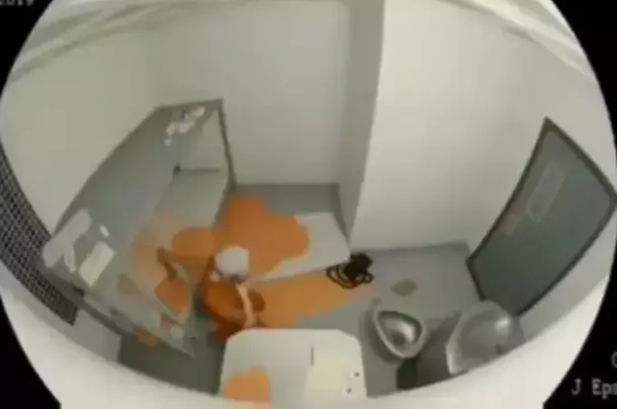
On December 23, 2025, a 12-second video alleging to show convicted sex offender Jeffrey Epstein attempting suicide surfaced on the U.S. Department of Justice’s (DOJ) online repository of newly released Epstein files. Within hours, the clip was deleted from the DOJ’s website without explanation as journalists and experts flagged it as bogus and unrelated to official footage from Epstein’s incarceration.
The video — which appeared to show a white-haired man in an orange prison jumpsuit kneeling by a bunk bed with a timestamp marking 4:29 a.m. on August 10, 2019 — was immediately questioned for its authenticity. Critics quickly noted inconsistencies, and the DOJ appears to have removed the file once officials realized it was not an accurate or official recording.
Why the Epstein Video Is Fake
Experts and fact-checking sources confirmed that no cameras were positioned inside Epstein’s cell on the night of his death; surveillance coverage was limited due to equipment malfunctions. An internal Department of Justice Office of Inspector General report from 2023 noted that ground-level video of that area was incomplete, and available footage did not come from within the cell itself.
The clip in question has also been linked to digital hoaxes that previously circulated on social media and conspiracy forums such as 4chan and YouTube, where user-generated, AI-like imagery has been shared and repurposed over the years.
Officials have not publicly explained how the video wound up in the DOJ’s Epstein files release, which is tied to the Epstein Files Transparency Act requiring the department to publish all unclassified material related to Epstein’s prosecution and investigation.
Broader Release, Broader Controversy
This incident comes amid a broader and politically charged release of documents, photos, and files related to Epstein’s life, crimes, and death. The partial disclosures have included thousands of pages — some heavily redacted — and photographs featuring high-profile figures, prompting debate over whether the Justice Department is fully complying with the transparency law.
Earlier files were briefly removed from the DOJ’s website due to concerns about privacy and potential victim identification before later being restored. These entries included images of public figures that drew political scrutiny and accusations of selective reporting.
Critics — including lawmakers and victims’ advocates — argue that redactions and removal of materials may undercut the purpose of releasing the files, while some defenders of the process say the department must balance transparency with protecting survivors’ identities and legal constraints.
Why It Matters
The episode highlights how easily misinformation and unverified material can circulate even through official government channels, particularly during large document releases that include a mix of verified records and submissions from third parties or public tip lines.
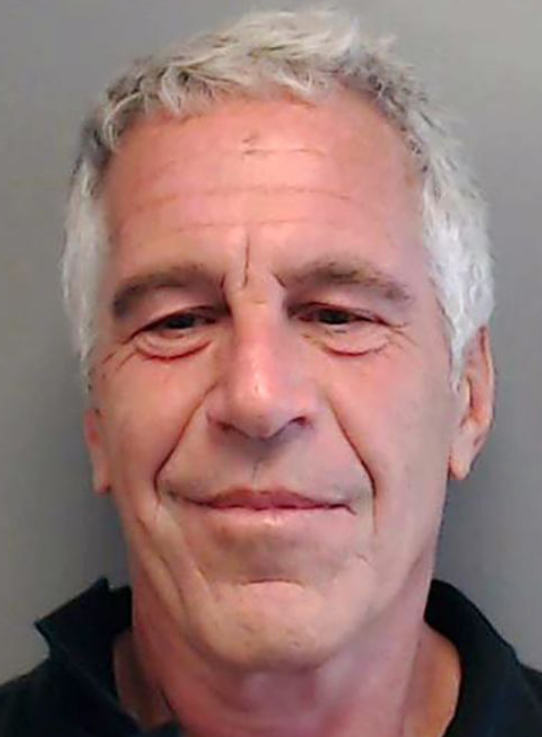
The brief appearance of a fake suicide video fueled speculation and conspiracy theories that have long surrounded Epstein’s death. Epstein was found unresponsive in his Manhattan jail cell in 2019, and his death was officially ruled a suicide, though gaps in surveillance footage have fueled public skepticism.
As the DOJ continues to publish files under the transparency law, observers will be watching not only what is released but how it is vetted and contextualized — especially where digital media and potentially misleading material are concerned.
You might also want to read: Who Appears in the Latest Censored Epstein Files Release?