Family Accused of Boarding Dead Grandmother on EasyJet Flight

© Recraft
A British family has faced intense scrutiny after fellow passengers accused them of boarding an easyJet flight with a deceased 89-year-old woman from Málaga, Spain, to London Gatwick. Witnesses claim the elderly woman appeared lifeless and that relatives insisted to airline staff that she was merely tired or unwell as they wheeled her aboard in a wheelchair.
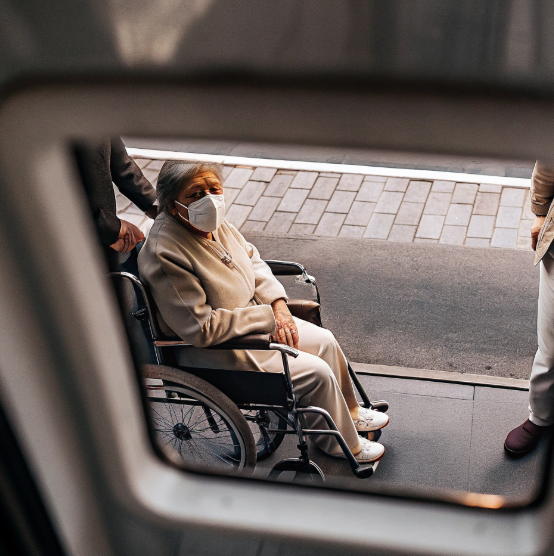
Passengers expressed shock as the aircraft taxied toward the runway on December 18, 2025, only for cabin crew to realise something was seriously wrong and return the plane to the gate. The flight was subsequently delayed for almost 12 hours. Authorities later confirmed the woman was deceased.
Petra Boddington, a passenger near the woman during boarding, said other travellers thought the woman “looked dead” and saw relatives holding up her head as she was pushed down the aisle. Boddington questioned why airline staff allowed the situation to proceed, especially after asking the family multiple times whether she was fit to fly.
What EasyJet Says
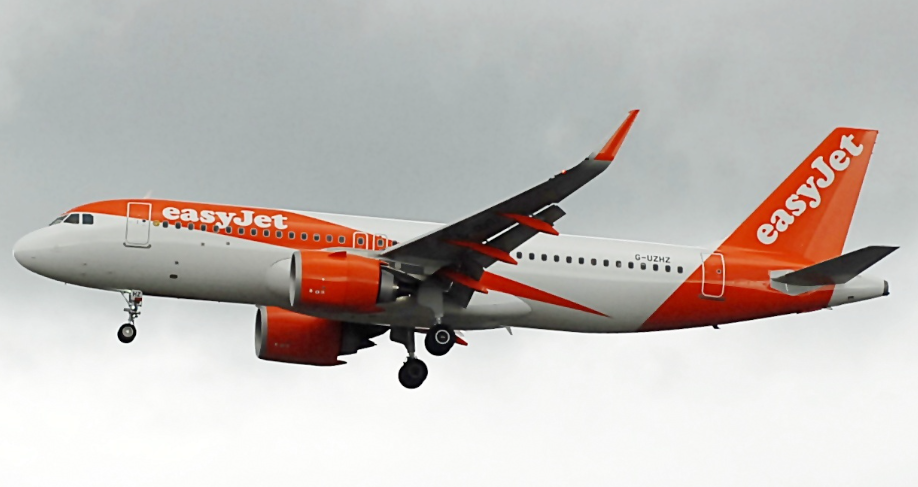
easyJet has issued an official response denying that a dead passenger was knowingly allowed on board. The airline stated the woman presented a “fit to fly” certificate at the gate and appeared alive during pre-boarding checks. A spokesperson said she was being supported by medical personnel and that the flight returned to the stand before departure due to a medical emergency.
The aircraft’s delay forced many travellers to wait in the terminal while new arrangements were made. easyJet offered condolences and support to the woman’s family, emphasising that safety and passenger wellbeing are priorities.
Passenger Accounts and Outrage
Several passengers took to social media and interview platforms to share their distress. One video and account published online showed bystanders visibly unsettled by the woman’s condition as she was wheeled on board by her relatives. Passengers questioned how someone appearing so unwell could pass through routine airline checks, with one calling it unacceptable that the family was allowed on the flight without further scrutiny.
Critics on social media also suggested that the family may have been attempting to avoid expensive repatriation costs by bringing her back on a scheduled passenger flight rather than arranging formal transport for a deceased person. Repatriation costs for a body can exceed thousands of pounds, which may have motivated their actions, according to some commentators.
Despite these claims, there is no evidence that the family intentionally concealed her condition to save money, and such allegations remain unverified speculation by observers and passengers. easyJet’s insistence that she was alive when presenting her fit-to-fly certificate continues to be widely cited in reporting.
Broader Implications and Airline Protocols
This incident has sparked debate over airline boarding procedures, especially for vulnerable or medically fragile passengers. Airlines rely on “fit to fly” certificates and ground staff assessments to determine whether passengers are capable of travel. However, eyewitness accounts in this case highlight potential gaps in real-time decision-making at gates and the difficulty of assessing frail passengers.
Experts note that airlines must balance passenger privacy with safety obligations, but high-profile disputes like this can erode public confidence if not clearly resolved. Passengers have called for more transparent reporting on how such situations are evaluated by airline crews and what thresholds are used to deny boarding for health reasons.
You might also want to read: What Actually Could Happen If You Try to Join the Mile-High Club