Seoul Plans Women-Only Subway Cars to Protect Commuters
© Generated by Recraft
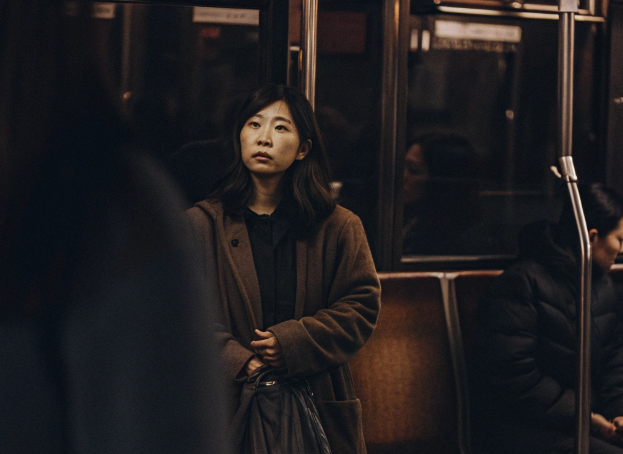
Seoul city officials have announced a plan to introduce designated women-only subway cars — referred to as “women safety cars” — on the city’s subway system, with a trial launch expected around September 2026. The move aims to provide a safer commuting option for women during late-night hours when incidents of harassment and assault are statistically more likely.
Under the proposal, the last subway car of certain late-night trains would be reserved exclusively for women riders. Seoul Metropolitan Government officials plan to gather public feedback before finalising the trial details and implementation schedule.
Officials emphasised that the new cars are part of broader safety enhancement efforts rather than permanent gender segregation, signalling awareness of past criticisms about discrimination and practicality. They view the dedicated cars as one of several possible tools to help reduce risk and improve commuter confidence.
Why this Subway Policy Is Being Considered
Ridership of Seoul’s extensive subway network — one of the busiest in the world — routinely exceeds several million passengers daily, and long commutes can be particularly uncomfortable late at night.
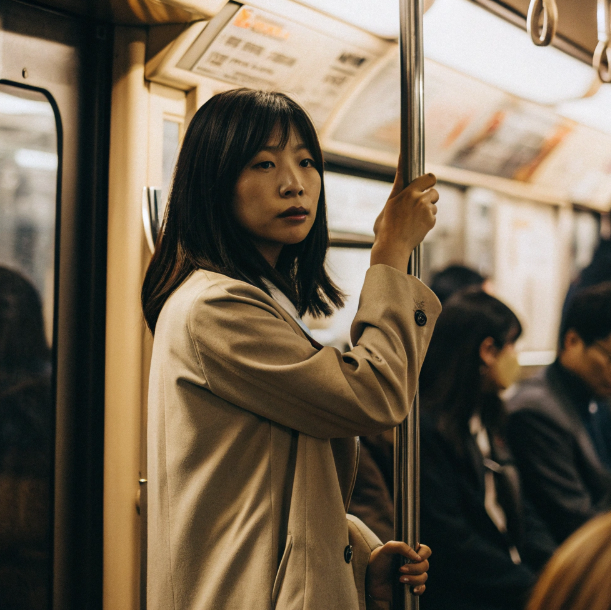
Women commuters have long voiced concerns about sexual harassment on crowded trains, and the “women safety car” idea has periodically resurfaced in Seoul’s transit policy discussions. Official planning documents noted a rise in sexual offence reports related to subway travel in previous years, prompting renewed emphasis on safety interventions.
Earlier attempts at similar women-only cars in Seoul date back to previous decades. Seoul Metro and the Seoul Metropolitan Rapid Transit Corporation first introduced women-only cars during morning rush hours in 1992, but the programme was discontinued due to operational issues and mixed public reception. A later attempt in the mid-2000s also faced resistance — with critics calling the segregation discriminatory — and was halted.
What Supporters and Critics Say About the Subway Option
Supporters argue that dedicated late-night women safety cars can give female subway riders a sense of physical security and a clear option for a less crowded, more predictable commute — particularly for those travelling alone or after dark. Advocates point to similar initiatives in other Asian cities, like women-only cars in Tokyo and elsewhere, as evidence that such measures are valued by many female commuters.
Critics of gender-specific transit solutions, however, warn that these policies may sidestep the root causes of harassment and violence rather than address them directly. They also raise questions about whether segregated cars create a false sense of safety or inadvertently shift risk elsewhere in the system. Past efforts in Seoul and other cities have faced operational challenges, enforcement issues, and mixed acceptance among riders.
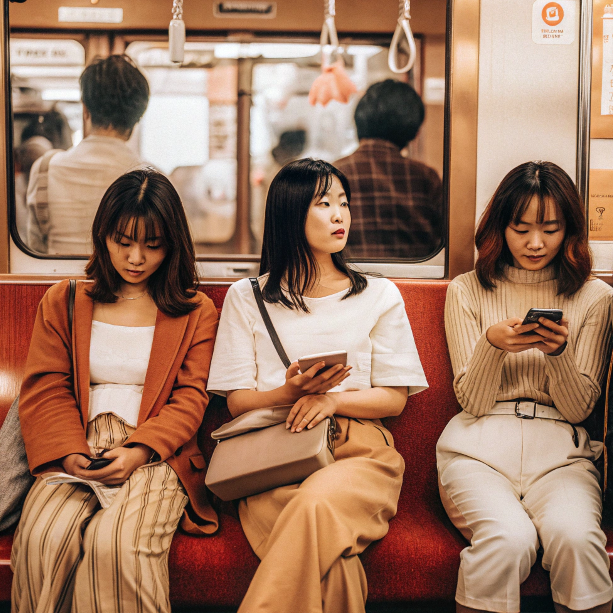
Gender equity advocates also emphasise the need for broader cultural and legal reforms that target harassment at its source, including better reporting mechanisms, enhanced lighting and surveillance, and expanded police presence, rather than relying exclusively on physical separation on trains.
What Happens Next?
Before the women’s safety car trial goes forward, the Seoul city government has scheduled a series of public consultations to hear input from riders, advocacy groups, and transportation experts. These discussions will inform how the cars are designated, what routes they apply to, and how the system will be monitored for safety and compliance.
The trial, if approved, will be a key test of whether late-night women safety cars can be incorporated effectively within one of the world’s largest urban subway networks — especially given Seoul’s ongoing efforts to make public transport both efficient and secure for all riders.
You might also want to read: Seoul’s New “Ghost Cop” Hologram Cuts Park Crime by 22%