Every Controversial Thing Brigitte Bardot Has Done

Public Domain
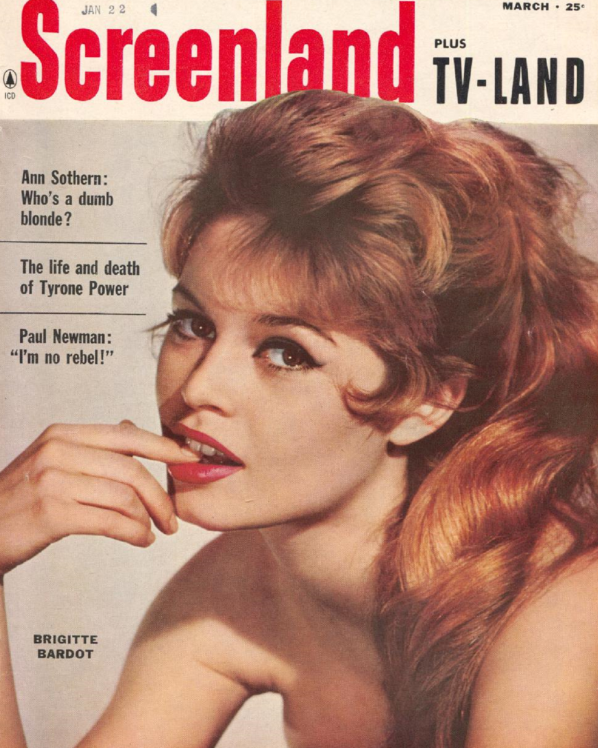
Brigitte Bardot rose to global fame in the 1950s and 1960s as one of France’s most recognisable film stars, achieving iconic status for her performance in And God Created Woman and countless roles that made her a symbol of glamour and sexual liberation in post-war cinema. Her image and star power helped define a cultural moment in French and international film.
Born in Paris in 1934, Bardot’s early career was marked by modelling and acting that challenged traditional norms of femininity and cinematic representation. She starred in more than 50 films before retiring from acting in 1973 at age 39, a decision she later said was motivated by her desire to step away from the spotlight on her own terms.
Lifelong Commitment to Animal Rights
After leaving cinema, Bardot became a fiercely dedicated animal rights activist, founding the Brigitte Bardot Foundation in 1986 to fight cruelty and raise awareness of animal welfare issues. Her advocacy ranged from campaigning against seal hunting and animal testing to broader efforts to protect wildlife and domestic animals. Bardot’s foundation has been credited with influencing policies and public attitudes toward animal protection across Europe and beyond.
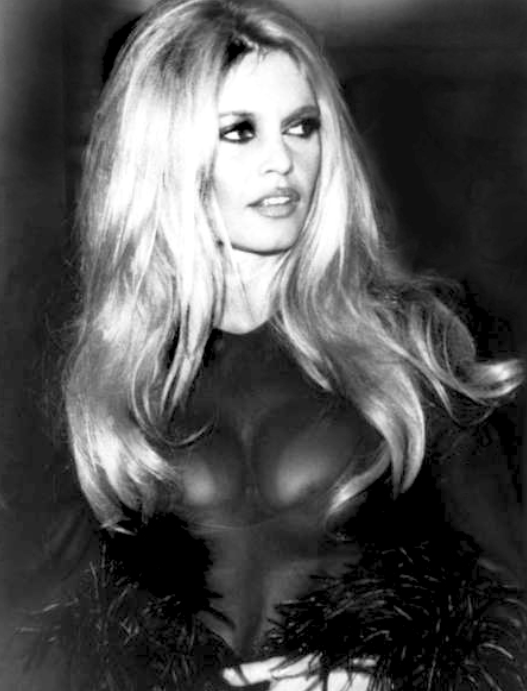
Her name became associated with compassion for animals, and she used her celebrity status to bring attention to issues often ignored by mainstream discourse. Even in her final weeks, Bardot issued calls for humane treatment of animals and adoption of rescue pets.
Controversial Turn to Far-Right Politics
However, Bardot’s later years were marked by deep political controversy rooted in public statements and activism that aligned with far-right ideologies. From the 1990s onward, she made repeated comments critical of immigration, Islam, and multiculturalism, language that French courts found crossed legal lines into hate speech. She was convicted multiple times for inciting racial hatred, largely related to remarks about Muslims and France’s evolving cultural identity.
Bardot’s personal political affiliations further complicated her legacy. Her fourth husband, Bernard d’Ormale, was a former adviser to far-right French politician Jean-Marie Le Pen, and Bardot publicly expressed support for nationalist leaders, including Marine Le Pen and the National Rally (previously the National Front). She described support for their positions — especially on immigration — as crucial to France’s future.
These positions made Bardot a polarising public figure in France and abroad, with defenders saying she exercised free speech and critics pointing to how inflammatory rhetoric can reinforce xenophobia and social division.
Legacy Debates After Her Death
Following Bardot’s death at age 91 on December 28, 2025, reactions were mixed. French President Emmanuel Macron and many cultural figures paid tribute to her contributions to French cinema and her influential work for animal rights. Her body of film work and early activism remain celebrated by fans and historians alike.
At the same time, commentators, activists, and social media users have reignited debates over how Bardot will be remembered in history. Supporters argue that her role as an animal welfare pioneer is a major part of modern advocacy, while critics insist that her far-right simpatico statements and legal convictions for hate speech cannot be separated from her public life. These discussions reflect broader tensions over how societies reconcile artistic achievement with controversial politics.
For many, Bardot’s legacy will remain multifaceted — an emblem of cultural liberation in one era and a cautionary symbol of polarising political discourse in another.
You might also want to read: French Cinema Icon Brigitte Bardot Dies at 91