Woman Says She Read 120 Books in 2025, But Critics Mock Her
© xx_howdy / X
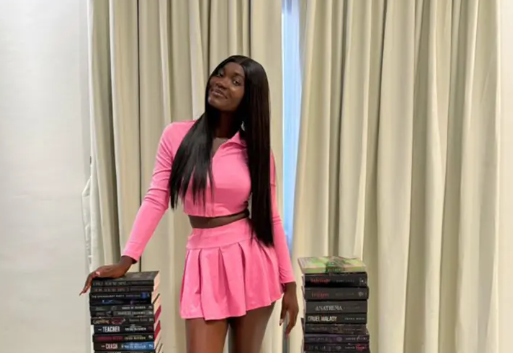
In late December 2025, digital marketer and book content creator known as Armah took to X (formerly Twitter) to share a snapshot of two towering stacks of books and announce: “I did it!! 120 books read this year.” The post quickly gained traction, accumulating millions of views and sparking widespread reaction online.
For many, the achievement was impressive — especially compared with the average reader, who might finish only a handful of books in a year. Some users praised Armah’s dedication, noting that finishing even a few books can be challenging given busy schedules.
However, the post also ignited a broad debate about what constitutes meaningful reading, with critics questioning whether all “books” should carry equal weight.
Praise Meets Pushback
Reactions to Armah’s announcement were sharply divided. Supporters applauded her consistent reading habit and the discipline it takes to consume a high volume of material:
- “That’s pretty good,” one commenter wrote. “Any book I try to read, 3 pages in, I’m sleeping.”
- “Wow, 120 books in a year! Whether fiction or not, your brain must be doing some serious heavy lifting.”
Yet others took a dismissive tone once details emerged about the kinds of books included:
- Some critics labelled much of what she read as “trashy fiction” or “smut books,” largely referring to modern romance novels and e-books.
- One commenter argued that reading lots of genre fiction is the equivalent of watching hours of reality TV.
- Another derided the accomplishment by contrasting it with academic reading, claiming that textbooks, journals, and scholarly materials “add value to society” in a way that genre fiction does not.
What Counts as Reading?
The disagreement over Armah’s reading tally highlights a persistent cultural debate: Does reading quantity matter, or is it the quality and type of reading that counts? For some critics, certain genres — particularly light or popular fiction — don’t hold the same cultural value as literary classics or academic works.
Yet reading advocates say all reading — across genres and formats — can contribute to imagination, critical thinking, and lifelong learning. Modern platforms like Goodreads allow readers to log and verify books they’ve finished, whether they’re e-books, paperbacks, or audiobooks. Armah shared a screenshot of her Goodreads account to support her claim and show that her progress was tracked and documented.
This dispute reflects larger conversations about reading in the digital age — where screens and short-form content compete with books, and where definitions of “serious reading” are increasingly contested. Some readers argue that books of all kinds can foster empathy and enjoyment, while others maintain that distinguishing between literary depth and light entertainment is important.
Broader Online Reaction
Beyond the two camps of praise and criticism, many users took a middle position: congratulating Armah on her commitment while acknowledging that reading habits vary widely, and that enjoyment is a personal matter.
Others suggested that encouraging people to read — regardless of genre — is better than discouraging them altogether. They argued that the world of books is broad, and engagement with any type of written material can lead readers to new interests and deeper literary adventures over time.
You might also want to read: French Cinema Icon Brigitte Bardot Dies at 91