Khaleda Zia, Bangladesh’s First Female Prime Minister, Dies at 80
© GODL-India
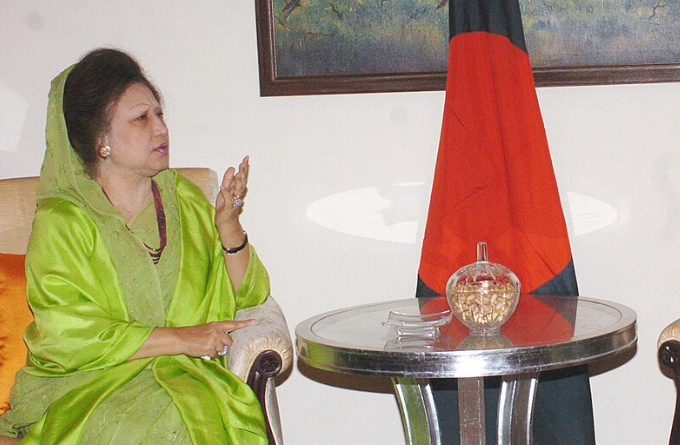
Khaleda Zia, Bangladesh’s first female prime minister and a towering political figure, has died at the age of 80 after a prolonged illness, her Bangladesh Nationalist Party (BNP) announced on December 30, 2025. Zia passed away at Evercare Hospital in Dhaka, where she had been receiving treatment for complex health issues, including liver cirrhosis, diabetes, and heart problems.
A Defining Figure in Bangladesh Politics
Her death prompted three days of state mourning in Bangladesh, with thousands gathering outside hospitals and public buildings to pay their respects. Interim leader Muhammad Yunus called her a symbol of democratic struggle, while leaders across the region, including Indian Prime Minister Narendra Modi, extended condolences and highlighted her historical impact.

A Trailblazer in Bangladesh Leadership
Zia first rose to political prominence after the assassination of her husband, President Ziaur Rahman, in 1981. She took up leadership of the BNP — the party her husband founded — and quickly became a central force in opposition politics. Her political ascent culminated in winning the 1991 general election, marking her as the first woman to lead Bangladesh and the second woman to head a democratic government in a Muslim-majority country after Pakistan’s Benazir Bhutto.
Zia served as prime minister in two separate terms (1991–1996 and 2001–2006), championing a return to parliamentary democracy after years of near-military rule and working on policies to expand education access and foreign investment. Her leadership helped shape a period of democratic transition that would influence Bangladesh’s trajectory for decades.
Rivalry and Controversy
A defining feature of Zia’s political life was her longstanding rivalry with Sheikh Hasina, leader of the Awami League. The two women, known as the “battling Begums,” dominated Bangladeshi political discourse for more than three decades, trading power, criticism, and parliamentary victories. Their competition helped define the contours of national politics, with each holding terms as prime minister and presiding over periods of deep political division.
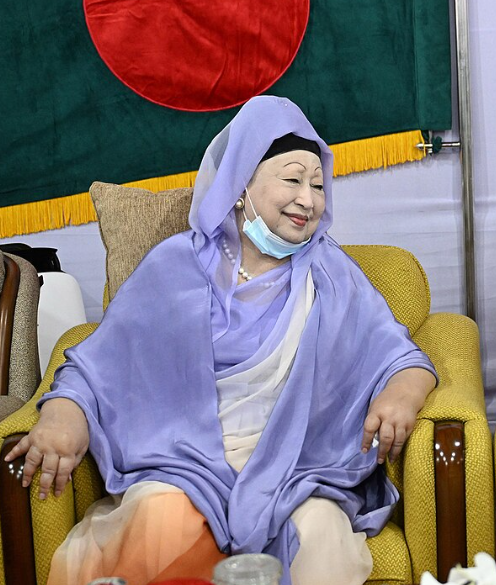
Zia’s time in office was not without controversy. Her second term saw rising militancy and a 2004 grenade attack on an opposition rally that weakened her government’s standing. Later, legal cases brought corruption convictions against her and her son, Tarique Rahman, which she and supporters described as politically motivated — allegations denied by critics. Zia was imprisoned and placed under house arrest for years before being released in 2024 after Hasina’s government was toppled in a student-led uprising.
Legacy and the Road Ahead
Despite these controversies, Zia remained a symbol of tenacity and democratic aspiration for many in Bangladesh, particularly among BNP supporters who hoped she would lead the party into the February 2026 general elections. In the weeks before her death, she filed nomination papers and had expressed intent to campaign despite her frail health. Her son Tarique, recently returned from nearly 17 years in exile, is widely seen as poised to take up the BNP leadership and potentially lead the party into power.
Reactions to her death reflect her complex legacy — admired for breaking political barriers and advocating democratic ideals, yet also viewed critically over years of intense political conflict and corruption allegations. Leaders across South Asia and beyond acknowledged her contributions and extended sympathy to the people of Bangladesh as the nation mourns a pivotal figure in its modern history.
You might also want to read: James Ransone, Star of The Wire, Dead at 46 After Suicide