U.S. Military Strikes in Venezuela Lead to Capture of Nicolás Maduro
© CC BY 4.0
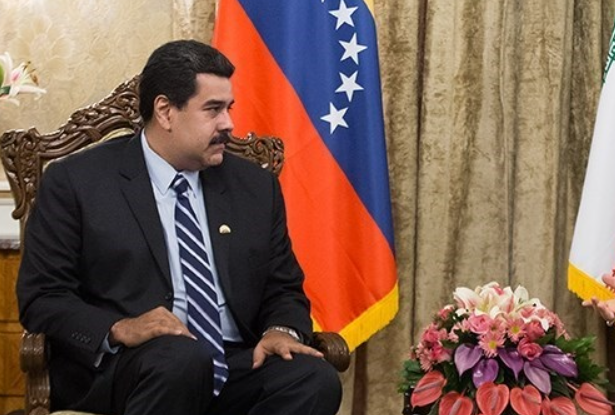
BBC’s live coverage detailed major U.S. military action in Venezuela that began in the early hours of January 3, 2026, when explosions rang out in Caracas during a coordinated assault that included airstrikes on Venezuelan military and government installations. Following these strikes, U.S. forces captured President Nicolás Maduro and his wife, Cilia Flores, and transported them to the United States, where they face drug-trafficking and narco-terrorism charges filed years earlier by the U.S. Department of Justice.
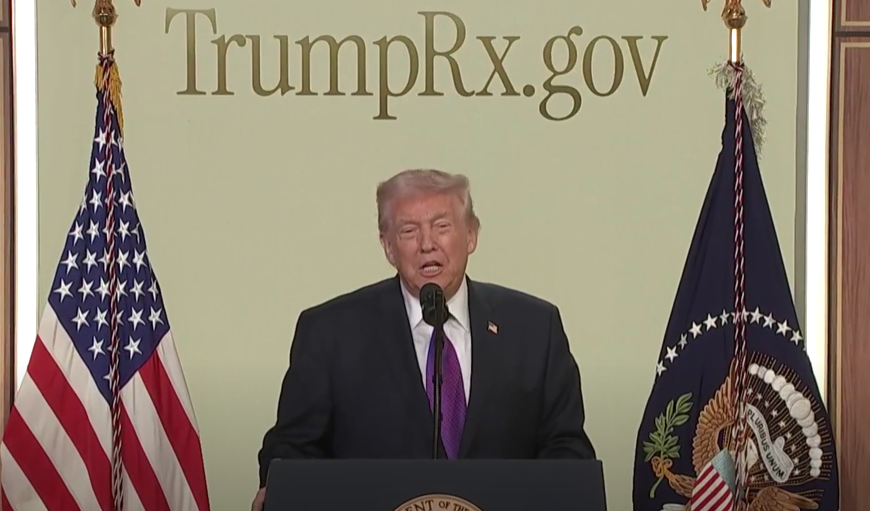
President Donald Trump announced that Maduro had been taken into custody and that the U.S. would temporarily “run” Venezuela until a “safe, proper, and judicious transition” could occur, a statement that has sparked global controversy and questions about legality and precedent.
Explosions, Panic, and Initial Reports of Maduro
According to live reports, at least seven explosions were reported across Caracas around 2 a.m. local time as part of the operation, leading to streets filled with smoke, chaos, and confusion. Images and video from the scene captured intense activity, including military aircraft and ground force movement. Venezuelan government sources denounced the strikes as “imperialist aggression” and called on citizens to resist.
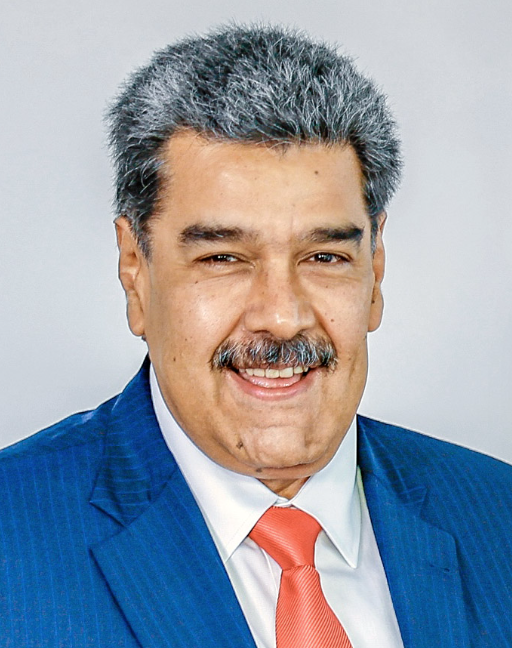
State media, which was largely silent in the immediate aftermath of the strike, has been replaced in live reporting by international outlets showing the capital in distress and civilians reacting to the dramatic events.
International Outrage and Reactions
The live stream captured swift global responses:
- Brazil’s President Luiz Inácio Lula da Silva condemned the U.S. military action as crossing an “unacceptable line,” calling it a violation of Venezuelan sovereignty and urging the United Nations to take decisive action, though Brazil also affirmed willingness to support dialogue rather than escalation.
- China’s government denounced the strikes as violating international law and threatening regional peace, particularly given Beijing’s longstanding ties to Venezuela’s energy sector and political leadership.
- Russia’s political leaders labelled the intervention unlawful and destabilising, warning that it echoed past ill-fated foreign entanglements and could fuel wider geopolitical instability.
These reactions highlighted concern among global powers that the operation — even framed by the U.S. as a law enforcement action — could represent a dangerous precedent for unilaterally removing a sovereign nation’s leader without broad international consent.
Regional Uncertainty and Leadership Vacuum
After Maduro’s removal, Venezuela’s Vice President Delcy Rodríguez was sworn in as interim president, but her legitimacy was questioned by U.S. officials, including Secretary of State Marco Rubio, who refused to recognise her authority and reiterated long-standing U.S. support for transitional leadership under opposition figures like María Corina Machado. Machado, welcomed by some Venezuelans and opposition members, declared the capture a “historic turning point” and called for democratic renewal.
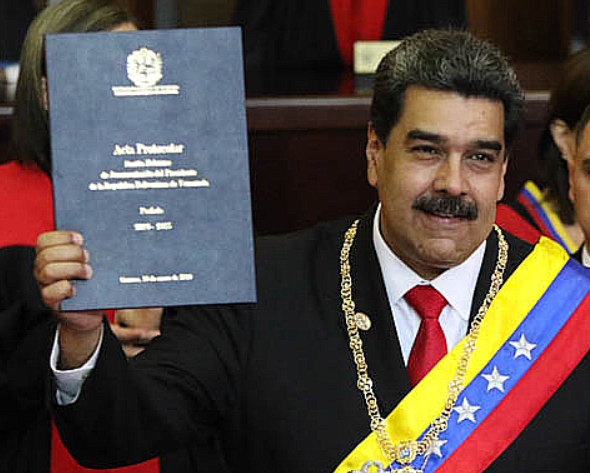
However, the uncertainty has created a political vacuum, with protests, fears of militia resistance, and widespread anxiety among ordinary citizens — some relieved, others fearful of reprisals or civil conflict.
Broader Implications: Diplomacy, Law, and Oil
Live coverage also explored deeper questions about:
- The legality of the raid under international law and the U.S. Constitution’s requirement for congressional authorization of military action.
- The future of Venezuela’s vast oil reserves, which Trump suggested could be tapped by U.S. companies, raises concerns about resource exploitation.
- United Nations debate and calls from several countries for emergency sessions to address the crisis.
Analysts cautioned that the intervention’s consequences could unfold for years, complicating U.S.–Latin America relations, affecting refugee flows, and redefining geopolitical alignments in the region.
You might also want to read: Tatiana Schlossberg, JFK Granddaughter, Dies at 35