MTV’s Music-Only Channels Shut Down After 44 Years

© MTV Music
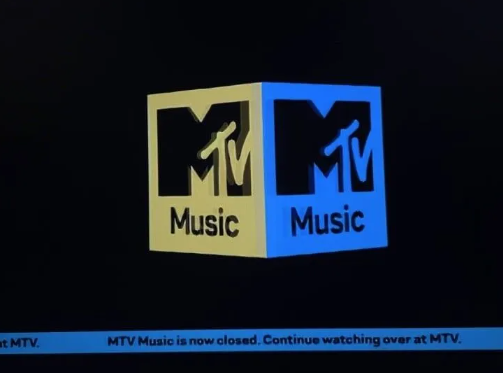
After more than 44 years of continuous music video programming, MTV has officially shut down all of its remaining music-only channels globally as of December 31, 2025, parent company Paramount Skydance/Paramount Global confirmed. These channels included MTV Music, MTV 80s, MTV 90s, Club MTV, and MTV Live, which were dedicated to playing music videos and live performances around the clock.
The closures were first implemented in the United Kingdom and Ireland and then expanded to countries across Europe, Australia, Brazil, France, Germany, Poland, and more as contracts expired and distribution deals ended. In many regions, the final broadcast on these music channels featured “Video Killed the Radio Star” by The Buggles — a symbolic full-circle moment, since that song was the very first video ever aired on the channel when it launched in the U.S. in 1981.
Why the Channels Were Shut Down
The decision to discontinue MTV’s music-only channels follows a much broader shift in how audiences consume music and a corporate strategy to prioritise higher-margin entertainment content over traditional linear television. Paramount’s leadership has emphasised that reality TV and franchise programming — such as competition shows and pop-culture series — draw stronger viewership and advertising revenue compared with dedicated music video channels.
Streaming services and digital platforms like YouTube, TikTok, Spotify, and social media have become the primary destinations for music video discovery and consumption, dramatically reducing demand for scheduled television channels devoted exclusively to music. As a result, maintaining specialised music channels has become less economically viable compared with original or reality-focused programming.
What Remains of MTV?
While the specialist music channels have been shuttered, the channel as a brand is not disappearing entirely. The main MTV channel, including variants like MTV HD, continues to operate in multiple markets, but it now focuses on reality shows, pop culture content, and scripted entertainment rather than continuous music video programming. Famous MTV franchises — such as competition series, documentary-style shows, and youth-oriented entertainment formats — remain part of its offerings.
Earlier closures — including MTV News and various award-show broadcasts — already signaled the brand’s pivot away from music-only content toward broader lifestyle and entertainment fare in recent years. The transformation reflects both changing media consumption and the network’s efforts to stay financially competitive under shifting industry conditions.
Cultural Reflections on MTV’s Legacy
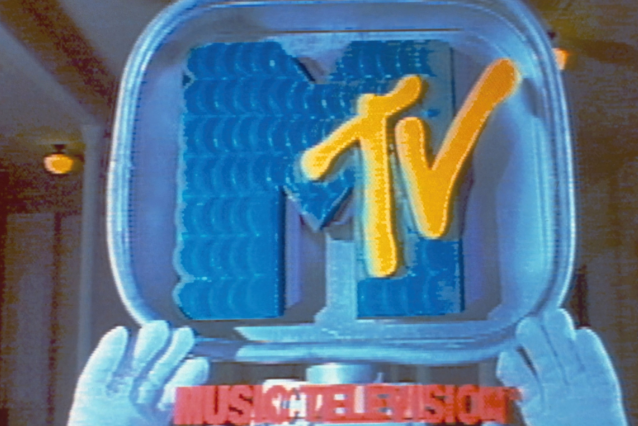
MTV’s music channels were once cultural institutions that defined how generations discovered music, fashion, trends, and visual storytelling. In its early years, MTV was a major force behind the rise of iconic music videos, the success of artists like Michael Jackson and Madonna, and signature programming like Total Request Live. Many fans and commentators have noted the historic importance of these channels in shaping pop culture and youth identity from the 1980s through the early 2000s.
Online reactions highlight a mix of nostalgia and acceptance — from memories of waiting for favourite videos to debut on air, to discussions about how digital platforms have replaced traditional television as the dominant medium for music. Some fans lament that the scheduled broadcaster model is gone, while others point out that music discovery has evolved and diversified in the online era.
You might also want to read: Full List of Winners at the 2025 MTV VMAs