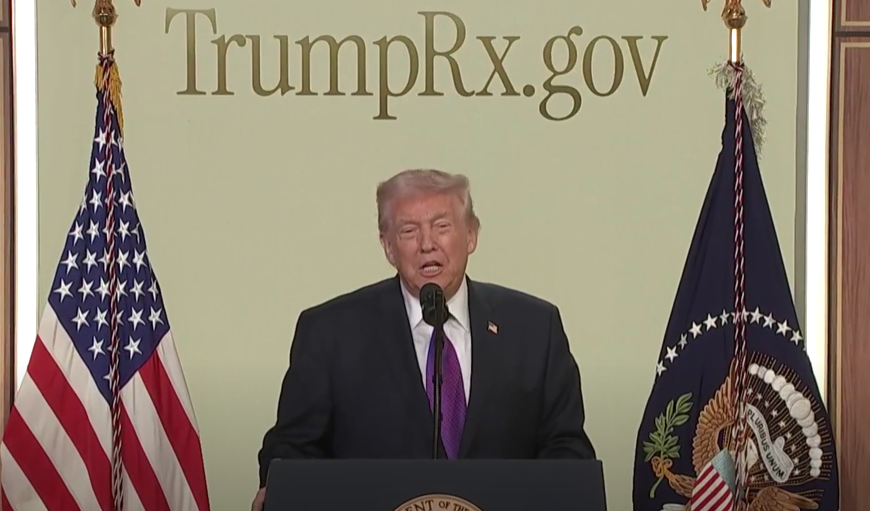
Trump Cuts $10 Billion in Federal Funding From Five States
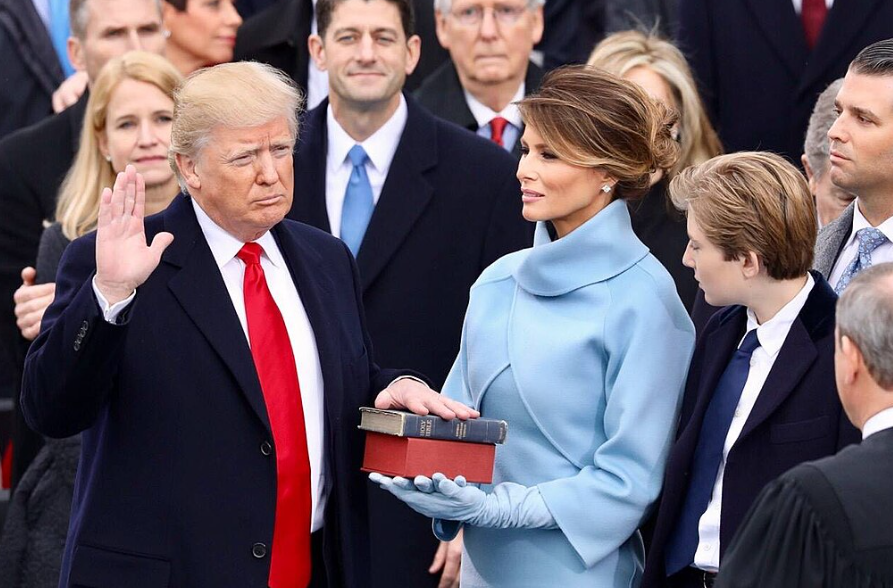
Public Domain
The U.S. Department of Education announced that it will withhold about $10 billion in federal funding from five states — Arizona, Florida, Iowa, Utah, and Texas — citing concerns that their education policies are violating federal civil rights law. Federal officials say the decisions stem from non-compliance with Title IX and other civil-rights protections, particularly in how these states handle complaints of discrimination and sexual misconduct.
Officials said the funding cuts would affect programs including Title I grants for low-income schools, special education funding under IDEA, and other education resources tied to federal requirements. The move is part of what the administration describes as a “lawful enforcement action” meant to ensure that federal dollars are spent in ways consistent with national civil-rights standards.
Trump Makes it Official: Washington vs. the States
The withheld funds apply to states whose education departments have, according to the U.S. Department of Education, failed to adequately enforce federal civil-rights protections for students. Federal officials specifically cited Title IX enforcement, which covers sex discrimination in schools, including sexual assault and harassment investigations. States have been given deadlines and compliance guidance, but have not met the requirements to the federal government’s satisfaction, prompting this rare punitive measure.
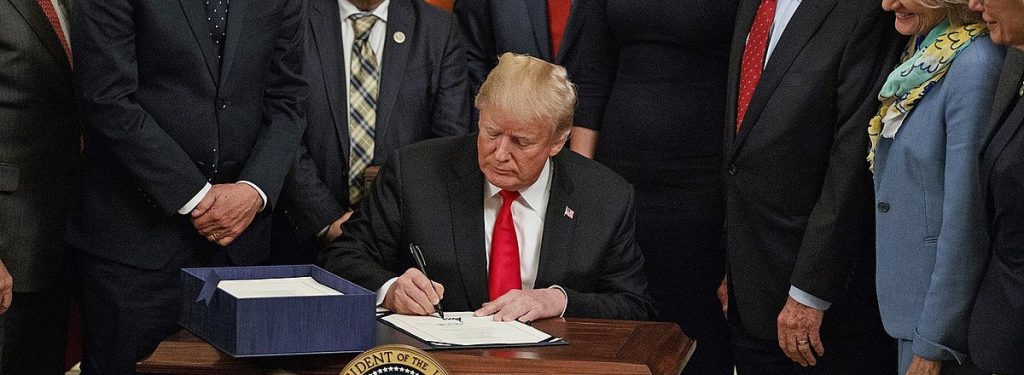
The action has been characterised by state leaders as federal overreach.
Florida Governor Ron DeSantis called the funding cuts a “politically motivated attack” on the state’s sovereignty and local control of education policy. He said that Florida’s policies are designed to reflect parental rights and local values. Arizona’s officials issued similar statements, accusing the federal government of using federal monies as a weapon to force political compliance. Other governors from the affected states also condemned the decision, saying it will hurt the very students the Department of Education claims it seeks to protect.
Impact on Schools and Communities
If fully implemented, the withheld funds could have a significant impact on schools and districts within the affected states. Title I money supports schools serving high numbers of low-income students; cuts to that funding could mean fewer academic supports, tutoring programs, and educational resources. Similarly, reductions in special education funding could disrupt services for students with disabilities, potentially forcing districts to make tough personnel and programming decisions.
Local education advocates warn that budgets are already strained in many communities, meaning that loss of federal funds could translate into layoffs, reduced services, and larger class sizes. Some school districts have indicated they may seek legal remedies or take steps to comply quickly with federal requirements to avoid prolonged funding shortfalls.
Broader Political and Legal Fallout
The Trump funding cuts mark another flashpoint in ongoing tensions between the federal government and Republican-controlled states over education policy, including issues such as Title IX rules, curriculum standards, and parental rights initiatives. Legal experts say this could lead to lawsuits and constitutional challenges, with states arguing that the federal government is exceeding its authority by tying broad education funding to disputed civil-rights interpretations.
Some analysts view the situation as part of a broader pattern of federal enforcement actions aimed at standardising civil-rights protections nationwide, while critics see it as politically charged policy enforcement that will end up in the courts. The dispute also intersects with wider debates over education policy, curriculum control, and the role of federal oversight in state school systems.
You might also want to read: Trump Says U.S. Will “Run” Venezuela After Maduro Capture