Artist’s Concert Canceled After Google AI Falsely Labels Him a Sex Offender

© CC BY-SA 3.0
Canadian fiddler and singer-songwriter Ashley MacIsaac saw an upcoming concert canceled after a Google AI summary falsely described him as a convicted sex offender, the artist says. The error occurred when a “Google AI Overview” — an automatically generated summary displayed at the top of search results — combined details about MacIsaac with information about another person with the same last name, resulting in a fabricated criminal record.
The false information was reportedly seen by organizers at a First Nation venue in Nova Scotia, leading them to call off his scheduled Dec. 19 performance after encountering the wrongful label online. MacIsaac said he only learned of the misinformation when members of the community confronted him about it.
Artist Speaks Out: ‘Defamation Is Dangerous’
MacIsaac — a Juno Award-winning musician known for his energetic blend of traditional Celtic fiddle music with contemporary styles — described the experience as distressing and dangerous. He told reporters that the AI summary wrongly asserted he had convictions for sexual assault, internet luring, and other serious offenses, and claimed he was listed on Canada’s national sex offender registry, none of which were true. MacIsaac said the AI output likely conflated him with someone else of the same name.
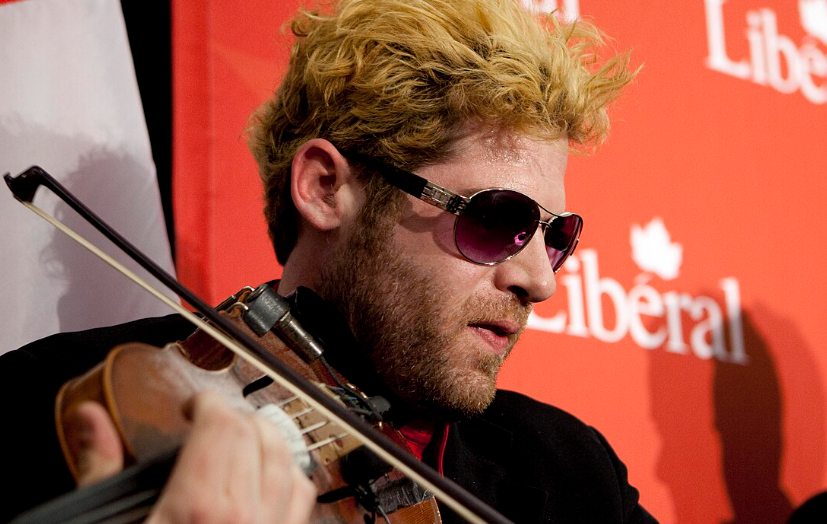
“You are being put into a less secure situation because of a media company — that’s what defamation is,” MacIsaac said, explaining that such misinformation could have serious consequences, including problems at border crossings or law enforcement interactions if encountered elsewhere. He also suggested that the error cost him income and harmed his reputation, prompting him to consider legal action against Google.
MacIsaac said he does not currently have the funds for a lengthy lawsuit but expressed interest in pursuing the case if a lawyer would take it pro bono to set a precedent for accountability in AI-generated misinformation.
Apology From Organizers and Google’s Response
After the incident, the Sipekne’katik First Nation community issued a public apology to MacIsaac for canceling the event based on incorrect information. A statement shared with the media said organizers deeply regretted the harm caused to his reputation and livelihood and reaffirmed their respect for his contribution to music and community culture.
Google Canada also responded to inquiries, stating that AI Overviews are frequently updated to deliver what the company considers “helpful” information, and that when errors occur, they use those cases to refine and improve their systems. Google described the feature as dynamic, noting that it adjusts content based on evolving data and context, but did not directly address liability for the defamatory summary.
The episode has spotlighted concerns about the accuracy and accountability of AI-generated content, particularly when algorithmic tools can influence public perception and lead to tangible economic or reputational damage.
You might also want to read: Where Does Google’s Name Come From?