Iran Nationwide Protests Rage On as Death Toll Mounts
© Vahid / X
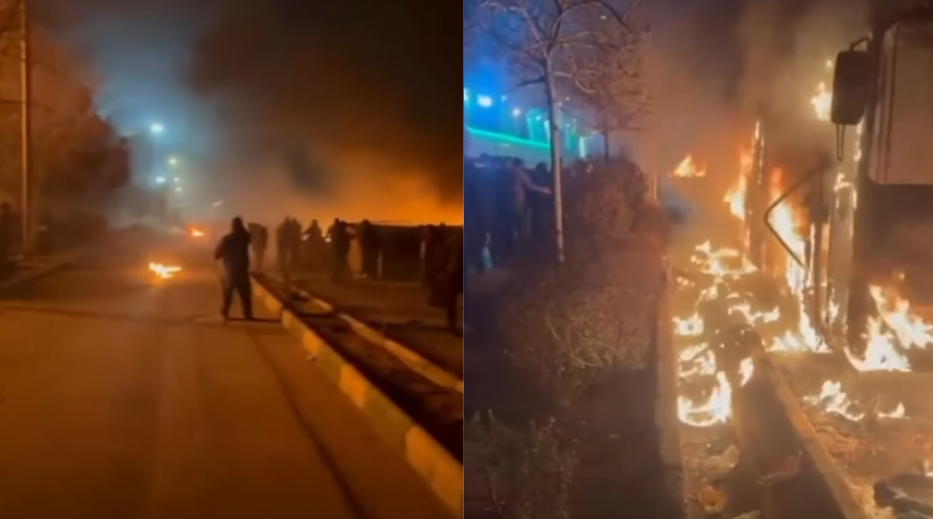
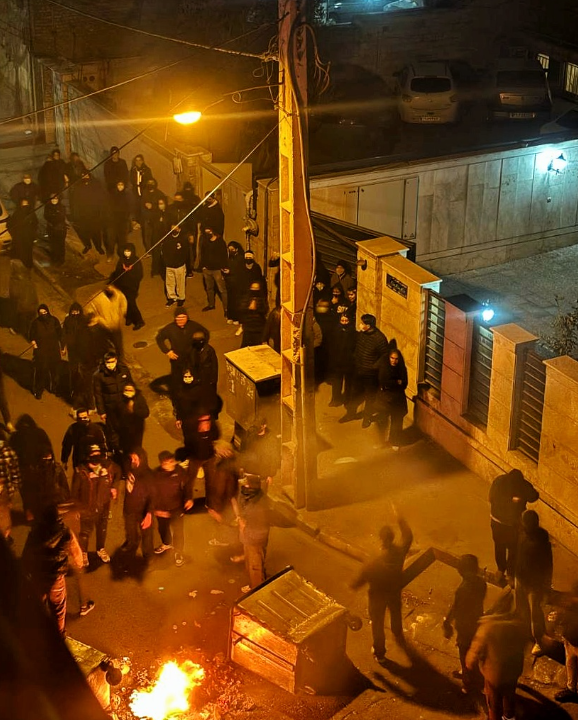
Anti-government demonstrations have continued for more than two weeks in Iran, originally sparked by economic collapse, inflation, and currency devaluation but quickly swelling into one of the country’s most significant protest movements since the 2022 uprising. Protesters have taken to the streets in at least 180 cities and provinces, defying a brutal security crackdown.
The government has responded with force, sweeping arrests and a near-total internet and communications blackout that has lasted more than 60 hours. Monitoring groups confirm the shutdown is nationwide and has been used to hinder coordination among protesters and restrict reporting from inside the country.
Rising Casualties and Arrests
According to data provided to CNN by the U.S.-based Human Rights Activists News Agency (HRANA), at least 490 protesters have been killed across the nation over the past 15 days, and over 10,000 people have been detained during the sweeping unrest. These figures couldn’t be independently verified due to the communications blackout, but they reflect the severity of the crackdown.
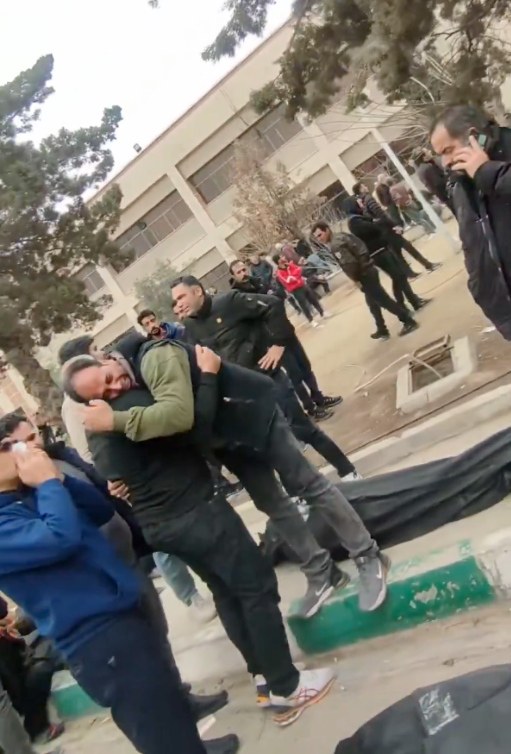
Eyewitness video shared with international media shows crowds of mourners searching for loved ones’ bodies at forensics facilities, while hospitals struggle under the weight of casualties amid chaotic conditions. Some families report seeing dozens of bodies in hallways and waiting areas as authorities maintain tight control over information.
Government Messaging and Internal Rhetoric
State-affiliated outlets and officials have painted the protests as being hijacked by “rioters” and violent “vandalism,” accusing some demonstrators of engaging in organised criminal behaviour. Supreme Leader Ayatollah Ali Khamenei and other authorities have blamed foreign interference for instigating unrest while reinforcing the regime’s commitment to suppress demonstrations. (“Rioters” has been a frequent official label.)
Concurrently, crowds have chanted slogans including “Long live the shah!” and voiced support for Reza Pahlavi, the exiled son of Iran’s last monarch — a rare symbol of unity among some protest factions that underscores deep disillusionment with the clerical leadership.
International Reactions and Discourse
Global reactions have been notable. In solidarity with Iranians, demonstrations have sprouted in cities like London, Paris, and Berlin, with many carrying slogans in support of human rights and freedom. Some international voices have called for sanctions, while others have debated the merits and risks of foreign intervention.
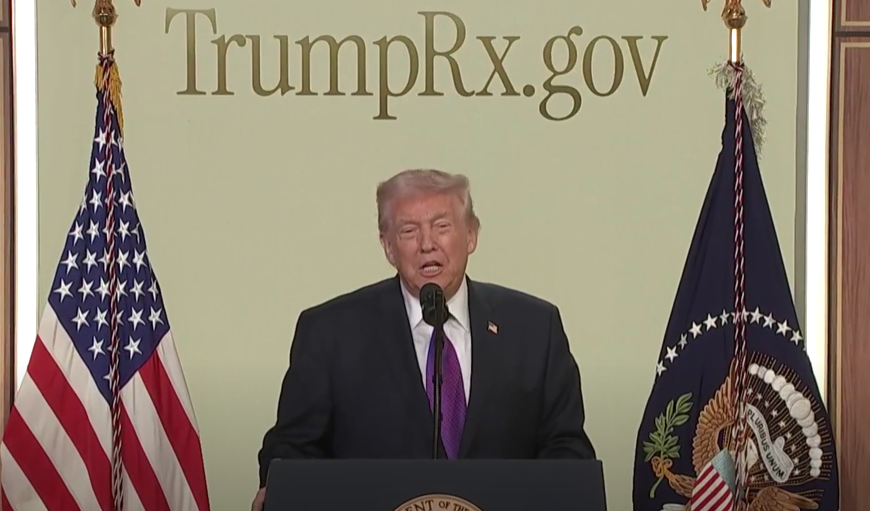
U.S. President Donald Trump has publicly reiterated that Washington is considering “very strong options” in response to Iran’s violence against civilians. Officials say military, economic, and cyber options are being weighed, although no final decision has been made — a shift toward more assertive messaging compared with previous U.S. policy.
Tehran’s parliamentary leadership, for its part, has warned the U.S. that any military attack would trigger retaliation, saying American military bases and shipping would become targets in the event of foreign strikes. (Seen in related live reports and official statements.)
The Human Toll and Ongoing Crisis in Iran
The unrest has inflicted significant human cost: mass casualties, widespread detentions, and families unable to communicate due to harsh communications restrictions. The protests have also underscored broader economic grievances, as Iranians face spiralling prices, shortages, and deteriorating living standards.
With the government’s internet bottleneck in place and security forces tightening control, independent verification of events remains extremely difficult. But testimony from activists, expatriate networks, and communications watchdog groups suggests a nation in turmoil — and one where everyday life is increasingly disrupted by both protest and repression.
You might also want to read: Iran Says They’re in ‘Full-Fledged War’ With US, Israel & EU