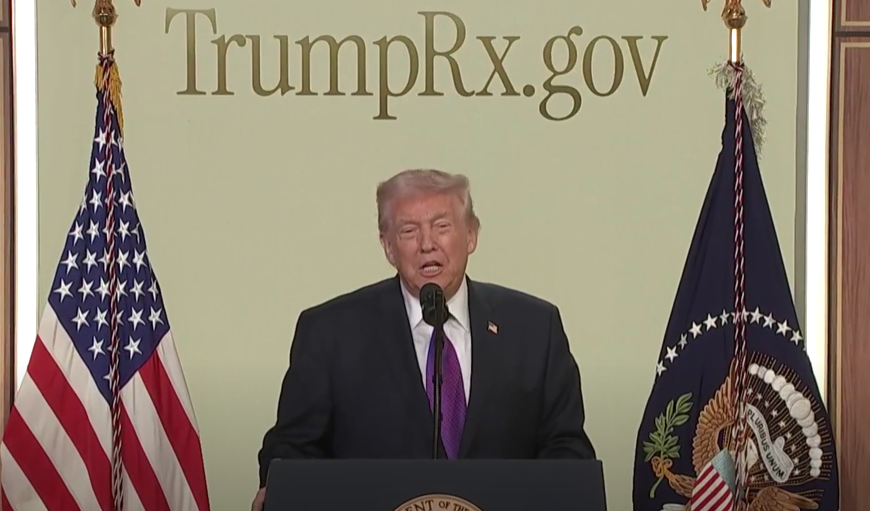
White House Defends Aggressive ICE Enforcement
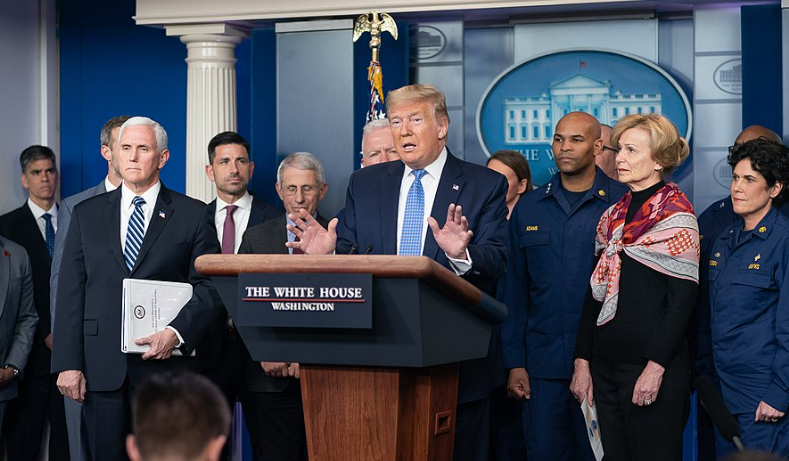
© Public Domain
The White House has forcefully defended the Trump administration’s immigration enforcement strategy after podcaster Joe Rogan sparked controversy by likening the actions of U.S. Immigration and Customs Enforcement (ICE) to those of the Gestapo, Nazi Germany’s secret police. Rogan’s remarks, made on The Joe Rogan Experience podcast, came as he criticized the growing visibility and force of ICE raids.
White House Pushes Back Against ICE Criticism
In response, the White House has framed its immigration policy as part of a larger effort to protect American citizens, reduce crime and improve quality of life. An official statement on the White House website explained that increased deportations and enforcement operations — including frequent ICE presence in cities — are aimed at “freeing up resources, revitalizing opportunity, and restoring safety,” particularly in areas labelled “sanctuary cities” by federal officials.
The administration argued these measures help address issues like housing costs and employment for U.S. workers.
White House’s Rationale: Deportations ‘Improving Quality of Life’
The administration’s talking points make clear that its immigration enforcement narrative is rooted in public benefit, not political critique. In published remarks tied to immigration issues, the White House claims that mass deportations under Trump’s leadership are “putting American citizens first” by protecting benefit programs and reducing perceived economic strain.

According to the official White House border and immigration policy summaries, more than 190,000 illegal aliens with criminal convictions — including assault, sexual assault, and homicide charges — have been deported since Trump’s return to office. The administration has also emphasized drastic decreases in illegal border crossings and reductions in unaccompanied minors arriving at U.S. ports of entry, portraying those trends as successes.
Another part of the administration’s message includes the claim that negative net migration is on track for the first time in decades — a metric they frame as a win for American sovereignty and labor markets. Coupled with these enforcement priorities, the White House has defended ICE’s operational decisions as lawful and necessary.
Press Briefings Reflect Defensive Stance
In press briefings, Press Secretary Karoline Leavitt has echoed the White House’s defense of ICE operations and rebuffed criticism. When questioned directly by reporters about allegations of overreach — including both Rogan’s Gestapo analogy and the fatal shooting of Renee Nicole Good by an ICE agent — Leavitt accused critics of biased reporting and dismissed the characterization of agents’ conduct as unfair. She described those challenging enforcement as left-wing activists rather than impartial journalists.
Similarly, Homeland Security officials have publicly defended ICE actions. DHS representatives rejected comparisons to Nazi policing and reiterated that the agency’s focus remains on detaining dangerous individuals, including those with criminal records, and on enforcing U.S. law. One senior DHS spokesperson argued that increased hostility toward ICE in certain cities was due to a lack of cooperation from local authorities, framing federal actions as a reaction to public policy disagreements rather than harmful overreach.
These internal talking points mirror the broader White House messaging that ICE operations and deportations are legal, necessary, and aligned with public safety goals, even if they generate controversy or difficult optics.
Critics Slam White House Messaging as Out of Touch
Despite the administration’s defense of its immigration stance, critics — including activists, local leaders, and some commentators — argue that this messaging fails to acknowledge legitimate concerns about civil liberties, racial bias, and humanitarian consequences. Detractors warn that presenting enforcement as a simplistic benefit to “quality of life” ignores the complexities of immigration law and the lived realities of families affected by raids.
Critics also point out that using language like “illegal aliens” and framing immigration primarily as an economic or criminal issue may fuel division rather than thoughtful policy discussion. They warn that equating legal enforcement victories with holistic community safety oversimplifies difficult social issues.
Where the Debate Stands Today
With immigration remaining one of the most polarizing political topics in 2026, the White House’s firm defense of ICE reflects a commitment to a hardline enforcement agenda even amid public backlash. Joe Rogan’s unexpected critique — which could have widened the conversation beyond traditional political audiences — instead became another moment for the administration to reassert its policy priorities and push back against what it views as unfair characterizations.
As midterm elections approach and debates over border security and immigration continue, the White House appears poised to double down on enforcement rhetoric, combining statistical claims with defensive responses to critics both inside and outside conventional political circles.
You might also want to read: Trump Adds Partisan Plaques to White House ‘Walk of Fame’