Greenland Official Breaks Down in Tears Because of Trump
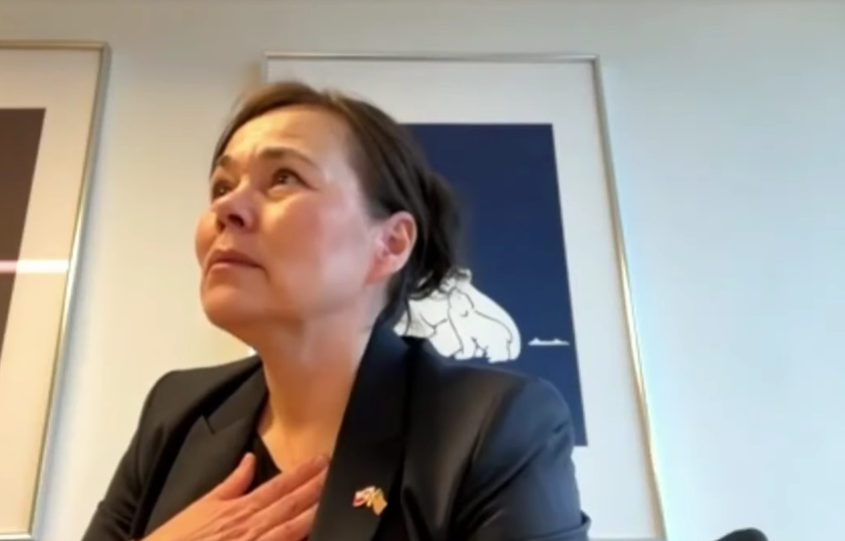
© KNR Nutaarsiassat / KNR News / YouTube
Greenland’s Foreign Affairs Minister, Vivian Motzfeldt, became visibly emotional in a live interview after a January 14, 2026, White House meeting with U.S. officials failed to ease President Donald Trump’s repeated and increasingly forceful demands involving the Arctic island. Her reaction illustrated the emotional and political strain Greenlandic leaders are under as they resist U.S. pressure — an ordeal she described as “intense,” “overwhelming,” and exhausting.
Emotional Moment After Greenland Failed Diplomatic Push
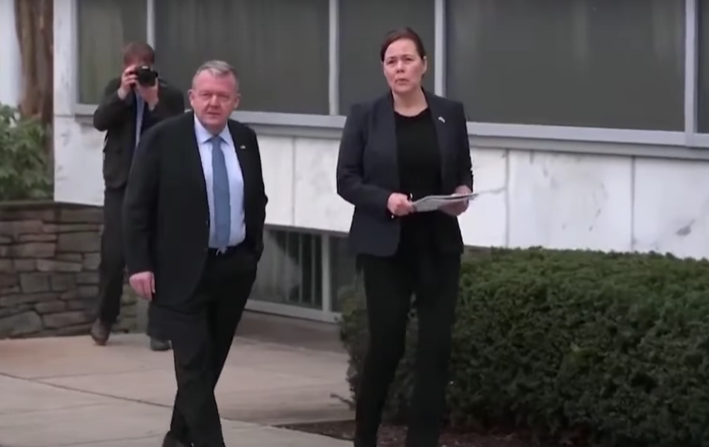
Motzfeldt was joined at the January talks in Washington by Danish Foreign Minister Lars Løkke Rasmussen, and on the U.S. side by Vice President JD Vance and Secretary of State Marco Rubio, whose goal was to defuse escalating tensions. However, Motzfeldt later acknowledged that diplomats “did not manage to change the American position.”
What Sparked the Diplomatic Crisis
The meeting came after a series of aggressive statements from Trump urging that the United States should acquire Greenland — a self-governing territory of the Kingdom of Denmark — citing what he calls “national security concerns.” Trump has claimed the U.S. must control Greenland to prevent Russia or China from gaining influence in the strategically vital Arctic region and even suggested NATO should back the effort.
“I would not normally say these words, but I will say them: We are very strong,” Motzfeldt said during the emotional interview, adding that Greenland’s government was working “with all our strength” to protect their people’s safety and security. She paused, overwhelmed by the sustained diplomatic pressure and the international spotlight on Greenland’s future.
U.S. Pressures Greenland
The diplomatic visit was meant to ease fears among Greenlandic and Danish leaders that Trump’s rhetoric might escalate — but the parties left the meeting with little progress. Rasmussen said they “didn’t manage to change the American position” and reaffirmed that Trump remained intent on pursuing his goals, describing the talks as difficult.
Trump’s comments — including repeated calls for Greenland to be “in U.S. hands” and efforts to justify control of the island as essential for security against Russia or China — have caused alarm among U.S. allies and locals alike. Moreover, NATO allies have been vocal in opposing any force-based acquisition, and European leaders have even started deploying troops to Greenland as a show of solidarity with Denmark’s sovereignty.
How Greenlanders Are Feeling
The emotional reaction from Greenland’s top diplomat reflects broader anxiety among the island’s 57,000 residents. Many locals describe feeling “unsafe” in recent days due to Trump’s direct and aggressive language regarding their homeland — a place with deep cultural roots and political autonomy. Moreover, some Greenlanders told international media the rhetoric has been frightening and disruptive, affecting even children’s sense of security.
Public sentiment on the island has united largely around one message: “Greenland is not for sale.” Additionally, shops in Nuuk have sold out of T-shirts featuring that slogan, and a recent AFP poll showed only a small minority of residents — typically around 6–15% in various surveys — entertain the idea of joining the United States. Most reject it outright.
Diplomatic and Strategic Stakes
Greenland’s strategic importance stems from its location between North America and Europe and its vast natural resources. Moreover, the Arctic’s geopolitical weight has grown as nations eye new shipping lanes, minerals, and military positioning amid climate change. Yet even as Trump frames his push as a national security imperative, Greenland and Denmark insist that borders cannot be changed by force and that any future cooperation must respect sovereignty and self-determination.
This clash has also drawn broader international attention, with NATO countries reinforcing their commitment to Greenland’s defence and Denmark maintaining that the island belongs to its people — not for sale or transfer under pressure.
What Happens Next
With diplomatic tension high and emotional impacts clearly visible, Greenland’s leaders appear determined to hold firm against foreign pressure — even amid relentless international media coverage and high-stakes negotiations in Washington. The emotional response from a senior official underscores that this is not just geopolitics on paper, but a deeply personal and national sovereignty issue for the Greenlandic people.
You might also want to read: Trump Says NATO Must “Defend” Greenland or U.S. May Act