Japanese Hotel Refuses Israeli Reservation Over Palestine
© Anadolu Agency
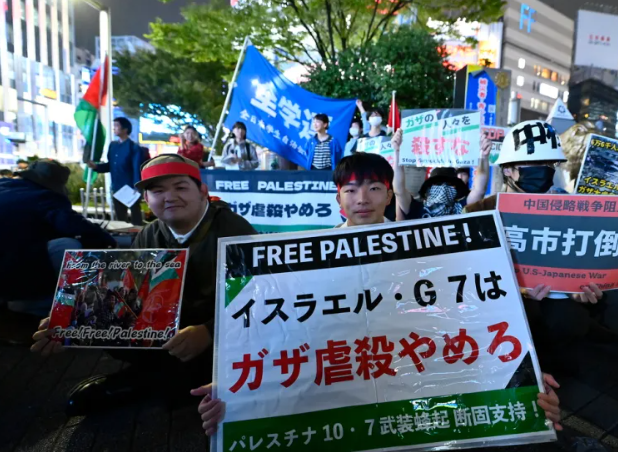
A hotel in Nagano Prefecture, Japan, refused to accept a reservation from an Israeli travel agency after its management said it was “dissatisfied with actions taken against the Palestinian people,” according to local media reports. The refusal was relayed during a negotiation via social media between the lodging facility and the Israeli agency, where the operator expressed opposition to Israeli policies in the Palestinian territories.
The incident sparked diplomatic pushback from Israel and raised questions about business discrimination and hospitality law in Japan, where refusing accommodation based solely on nationality is generally prohibited under the country’s Hotel Business Act.
Israel Protests, Local Authorities React
Following the rejection, the Israeli Embassy in Tokyo sent a formal letter of protest to the Nagano prefectural government, alleging that the refusal constituted discrimination based purely on nationality. The embassy stressed that hospitality businesses should provide service to all guests regardless of political positions or international conflict.
Nagano officials investigated the complaint and found that the hotel operator had indeed rejected the reservation after making the political statement. Prefectural authorities then issued an oral warning to the facility’s management, informing them that rejecting guests on the grounds of nationality or political opinion could violate Japanese regulations.
In its response to the embassy, Nagano’s government noted that although the hotel had rejected this reservation, it had previously hosted other Israeli guests, suggesting inconsistent treatment. The officials also clarified that Japanese hospitality laws generally prohibit refusal of accommodation without just cause, reinforcing the need for equality and non-discriminatory practices.
Broader Controversies in Japan Over Similar Actions
This isn’t the only hospitality-related controversy in Japan tied to the Israel–Palestine conflict. Earlier reports revealed a Kyoto guesthouse that drew criticism for requiring Israeli guests to sign a declaration affirming they had never committed war crimes before accepting their booking, which the Israeli Embassy condemned as discriminatory and illegal under Japanese law.
Another earlier incident involved a Tokyo hotel that allegedly canceled a reservation for an Israeli tourist over war-crime objections, prompting strong rebukes from local officials who warned the property for violating hospitality regulations.
These episodes reflect ongoing tensions in Japan’s tourism industry, where some individual lodging operators’ personal or political views — often tied to the broader Gaza war and Israel’s international image — have clashed with legal obligations to provide service without discrimination.
Legal Framework: Japanese Hotel Business Act
Under Japan’s Hotel Business Act, lodging operators are generally required to accept reservations and provide accommodation to eligible guests without discrimination unless there is a legitimate reason for refusal. The law specifies that rejection can only occur for narrow reasons — such as public health concerns or criminal behavior — and does not allow blanket refusals based on nationality or political disagreement. Nagano officials clarified this during their review of the hotel’s conduct.
Officials in Nagano reminded the hotel operator that refusing service due to political positions or opposition to a foreign government’s actions does not in itself constitute a legally justifiable reason under the act. The oral warning was meant to curb such practices and reinforce compliance with Japan’s hospitality standards.
Reaction and International Context
The incident prompted mixed reactions online. Some commentators outside Japan have noted that protests against Israel abroad — including demonstrations in Tokyo — have heightened local sensitivities around the conflict, with some individuals expressing support for Palestinian rights or criticism of Israeli policies.
Others — including international tourism professionals and legal experts — have stressed that hospitality venues operating in global tourism hubs should be careful to separate personal political views from business practices, especially in countries with strict anti-discrimination laws.
The Israeli Embassy thanked Nagano authorities for their prompt investigation and firm stance against discriminatory acts, emphasizing the importance of equal treatment for tourists of all nationalities.
You might also want to read: Iran Warns U.S. and Israel It Will Strike Back if Attacked