Last Time U.S. Bought Land From Denmark Was Epstein Island
© CC BY-SA 2.0
The last time the United States purchased land from Denmark was over a century ago — when Denmark sold the Danish West Indies to the U.S. in 1917 for $25 million in gold, a transaction that has resurfaced in public discussion amid current debates about acquiring Greenland.
That Caribbean territory today comprises the U.S. Virgin Islands — including Saint Thomas, Saint John, and Saint Croix — and was transferred to American sovereignty during World War I amid strategic concerns over European influence in the region.
The islands had been Danish possessions since the 17th century, but by the early 20th century, Denmark found them increasingly expensive to maintain, while U.S. leaders saw their location as critical to controlling sea routes and protecting the approaches to the Panama Canal.
The 1916 treaty—officially known as the Treaty of the Danish West Indies—was ratified by both countries and put into effect on March 31, 1917, now commemorated annually as Transfer Day in the U.S. Virgin Islands.
Connection to Little Saint James Island and Online Reactions
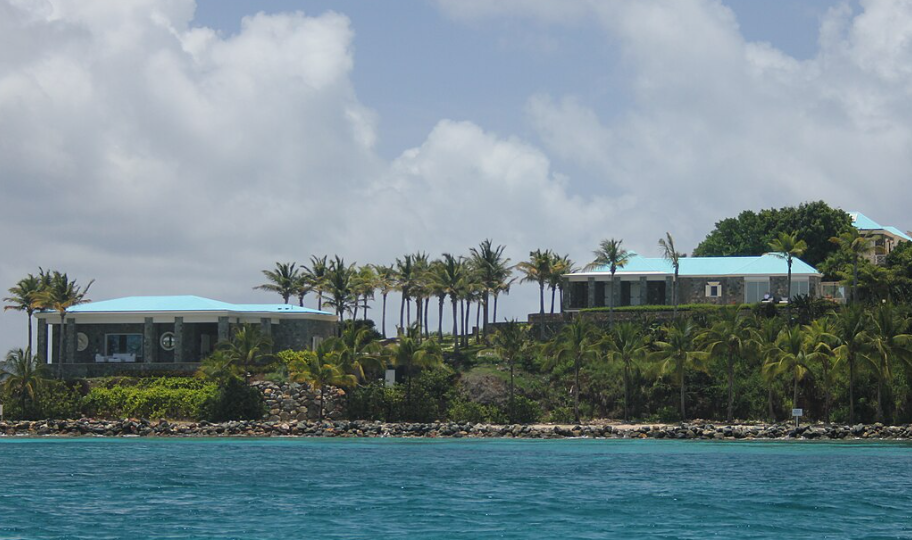
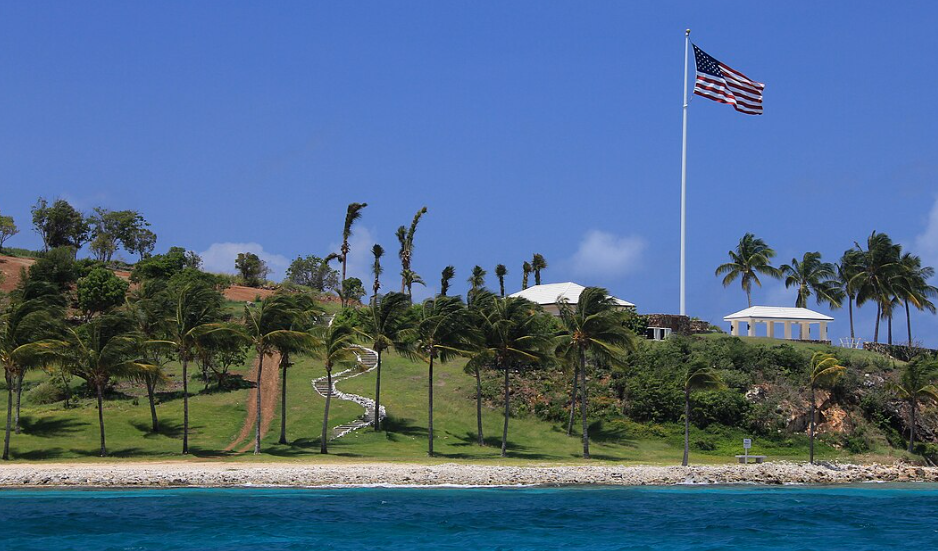
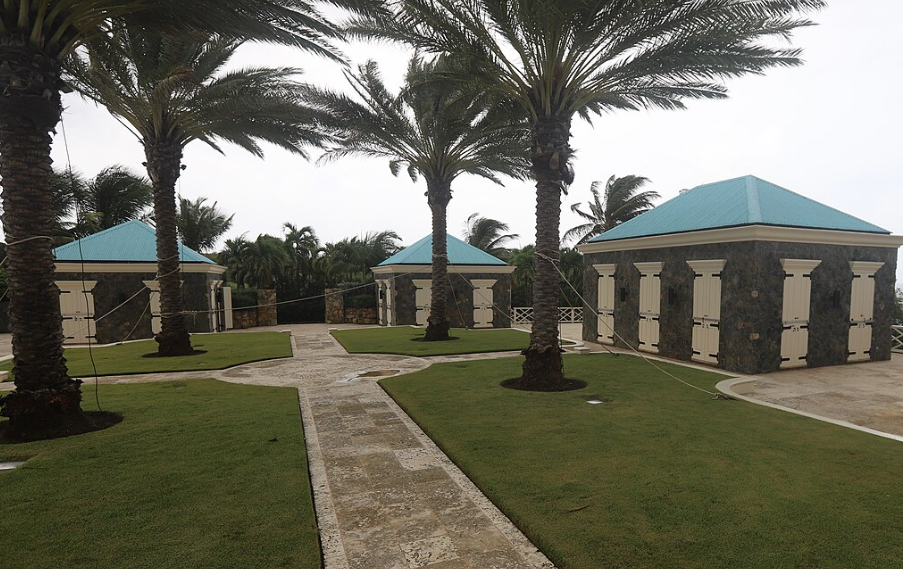
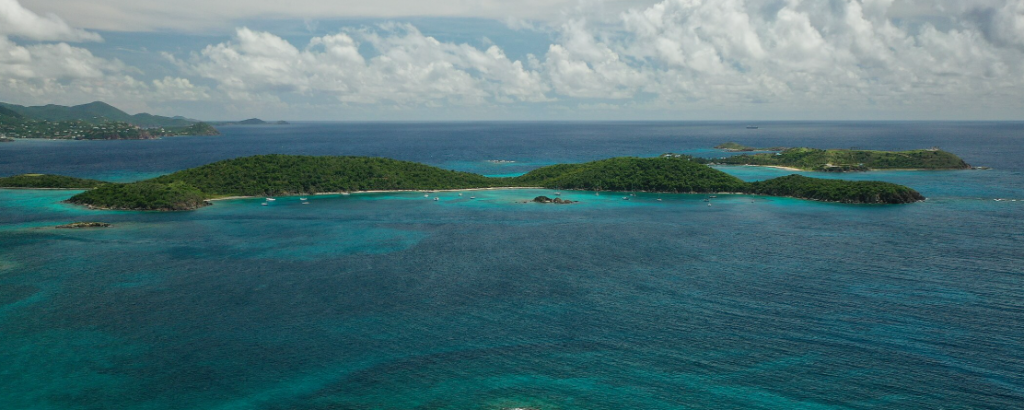
What has drawn fresh attention to that century-old transaction is the fact that among the several dozen small islands transferred under the 1917 deal was Little Saint James — the 70-acre private island that later became notorious as “Epstein Island” after financier Jeffrey Epstein purchased it in 1998 and used it as a private residence.
The New York Post article notes that social media users have recently pointed out that Little Saint James was part of American territory because of the 1917 purchase, leading to a mix of shock, ironic commentary, and renewed scrutiny of the historical sale in light of Epstein’s crimes.
Importantly, Epstein did not buy the island directly from Denmark — he bought it from private hands long after it had become U.S. territory — but the historical link has nonetheless sparked public conversation about historical land deals.
What the Danish Island Sale Actually Included
In addition to Little Saint James, the 1917 purchase encompassed the main Danish West Indies — now known as the U.S. Virgin Islands — which remain an unincorporated U.S. territory today.
Compared with modern land acquisitions, this sale is unique in U.S. history: it represents the most recent territorial purchase from a sovereign nation that added permanent land ownership to the United States. The White House and historical sources such as History.com describe it as the only major transfer of territory from a European power to the U.S. since the country expanded across North America in the 19th century.
One aspect of the 1917 agreement was that the U.S. effectively recognised Danish sovereignty over Greenland in return as part of the broader diplomatic framework — an element that has become relevant again as debates swirl over whether Greenland could or should be acquired today.
Why This History Matters Today
The historical purchase has reentered public discourse as President Donald Trump has publicly pursued interest in acquiring Greenland from Denmark, a controversial idea that has drawn broad international attention and outright rejection from Danish and Greenlandic leaders.
While no recent treaty has transferred Danish land like in 1917, some online commentators have used the historical link to draw parallels between past and present ambitions, often with humorous or critical references — especially given the notoriety attached to Epstein’s former island.
Experts say that the 1917 sale happened under very different geopolitical conditions — including world war, colonial contexts, and naval strategy — compared with today’s norms, when outright land purchases among sovereign nations are rare and generally unacceptable under international law and diplomatic practice.
A Look at How the U.S. Has Expanded Historically
The Danish West Indies sale is one of several historic moments that reflect how the United States expanded its territory beyond the continental 48 states — along with the Alaska Purchase from Russia in 1867 and earlier 19th-century acquisitions from France and Mexico.
However, since 1917, there has been no comparable large-scale sale of land to the U.S. from another nation, underscoring how extraordinary that moment was in American history.
You might also want to read: How Much Was Epstein’s Net Worth?