Thousands Rally in Subzero Minnesota to Protest ICE
© X
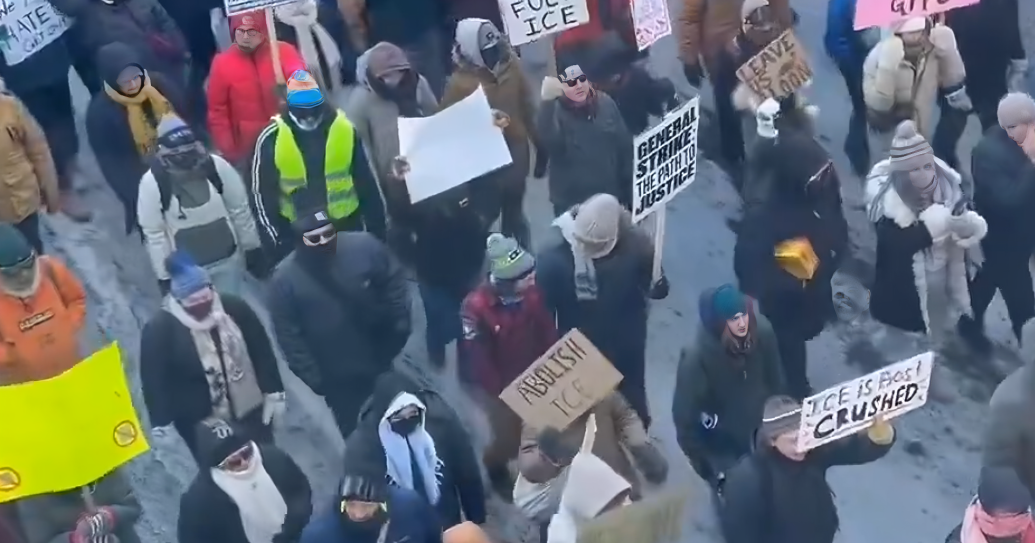
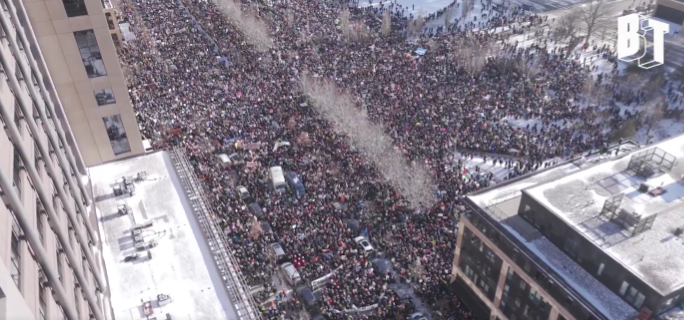
Thousands of people took to the streets of Minneapolis on January 23, 2026, to protest an extensive federal immigration enforcement operation, demonstrating resilience in sub-zero temperatures that dipped as low as −20°F (−29°C).
The unprecedented mobilization — marked by arrests, chants against ICE, and coordinated business closures — reflects deepening anger over recent enforcement tactics and fatal shootings by federal agents in the state.
A Rally in Bitter Cold
Despite the Arctic weather, demonstrators flooded downtown Minneapolis on Friday to voice opposition to the federal immigration crackdown, part of what organizers called a “ICE OUT!” movement. Reuters reported that tens of thousands marched, with more than 10,000 gathered indoors at the Target Center arena later in the day.
Protesters chanted slogans, carried signs, and demanded an end to the ongoing deployment of thousands of Immigration and Customs Enforcement (ICE) and CBP agents to Minnesota — a surge that critics call overly aggressive and harmful to local communities.
Arrests and Airport Demonstrations
At the Minneapolis-St. Paul International Airport, police arrested about 100 clergy members who knelt in prayer and sang hymns during a protest against deportation flights and other enforcement actions. Demonstrators said they were willing to face arrest to show solidarity with immigrant families and to highlight what they described as unjust federal intervention in local affairs.
Faith leaders — including ministers from across the country — emphasized moral concerns, with some saying they would return to their congregations to continue vigils after their temporary detentions.
Economic Blackout and Community Solidarity
The protests coincided with an economic “blackout” coordinated by labor unions, community activists, and progressive groups calling for statewide participation — including skipping work, school, and shopping — as a show of resistance. Hundreds of businesses across Minnesota, from small bookstores to larger cultural institutions, closed in solidarity with the demonstration.
At the marches, signs reading “ICE out,” “Immigrants make America great,” and similar messages illustrated the broad coalition of participants speaking out against federal enforcement policies.
Catalysts for Protest
The rallies come amid a backdrop of heightened public anger over controversial federal actions. Most notably, protests were galvanized by the fatal shooting of 37-year-old Renee Good by an ICE officer earlier in January, an incident that sparked widespread outrage and daily demonstrations.
Protesters also highlighted recent detentions of children and families during enforcement operations — including the controversial arrests of very young children and their parents — as part of their criticism of federal tactics.
Political and Public Impact
The protest drew support from labor unions, religious groups, and civil rights advocates, who condemned federal enforcement as harmful to community safety and trust. Although federal officials defended their actions as lawful immigration enforcement, state and local leaders have increasingly called for accountability, investigations, and an end to the ICE presence in Minnesota.
As the demonstrations continue, they are shaping a broader debate over immigration policy, federal authority, and the role of enforcement in American cities — especially those with sanctuary policies and strong community opposition.
You might also want to read: Federal Agents Kill ICU Nurse in Minneapolis