Disabled Son Dies After ICE Detains His Caregiver Father
© Tarabishi Family
A closely watched immigration case out of Arlington, Texas, has taken a tragic turn after the disabled adult son of a ICE detained father died following a prolonged hospital stay.
The family of Wael Tarabishi, who suffered from a rare disease and was his father’s full-time charge, says the emotional and practical toll of his father’s detention by U.S. Immigration and Customs Enforcement (ICE) contributed to his decline — a situation that has sparked public outrage, legal battles, and pleas for policy change.
The Son’s Illness and Hospitalization After ICE Detains His Caregiver
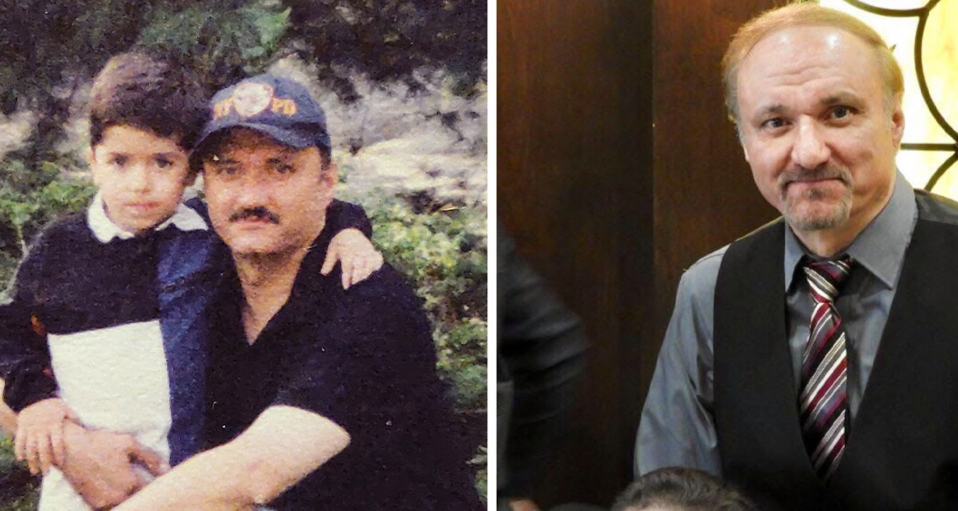
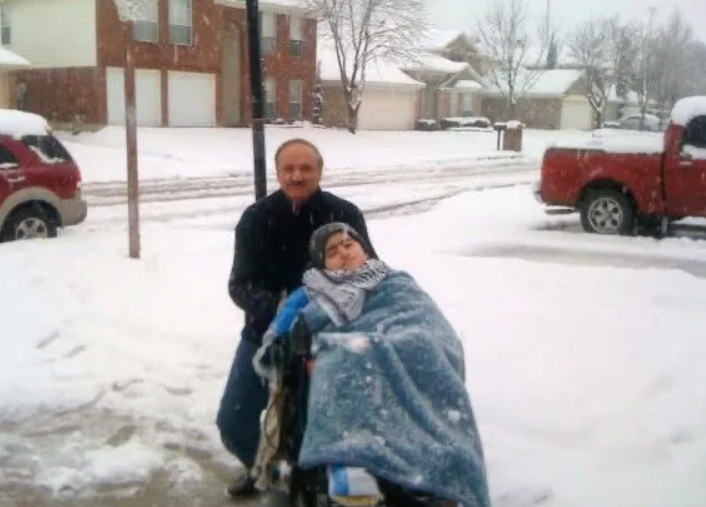
Wael Tarabishi, a **30-year-old U.S. citizen diagnosed with Pompe disease — a progressive and often fatal genetic condition — was hospitalized for 30 days before his death on January 23, 2026. Pompe disease gradually weakens muscles and organs, often requiring around-the-clock care and specialized medical support. Family members and local advocates said Wael’s condition worsened significantly after his father, 62-year-old Maher Tarabishi, was detained by ICE.
Doctors admitted Wael to Methodist Mansfield Medical Center in late December after complications, including infection and feeding tube issues, but he never fully recovered. Despite intensive treatment and interventions, his health deteriorated, and he passed away after more than a month in care.
The Father’s Detention
Maher Tarabishi, originally from Jordan and a long-time Texas resident, was arrested by ICE on October 28, 2025, during a routine check-in and placed in immigration detention at Bluebonnet Detention Center in Anson, about 200 miles from Arlington.
Because Maher had been Wael’s primary caregiver for decades — including throughout numerous surgeries and critical illnesses — his absence was deeply felt. Family members say that when Maher was detained, Wael lost his main source of support, which they believe played a key role in his rapid health decline.
Family’s Plea and ICE Denial
As Wael’s condition worsened in the hospital, the family requested a humanitarian release for Maher so he could be with his son during his final days and attend the funeral. That request was denied by ICE, which cited standard enforcement protocols despite family appeals and public campaigning.
Legal representatives described ICE’s refusal as deeply traumatic for the family, arguing that Maher’s presence could have provided vital emotional and caregiving support. Wael — who had spent his life depending on his father — reportedly told relatives he felt he had “nothing to live for” after Maher’s detention.
Public Reaction and Protests Against ICE
The case has drawn significant attention from human rights advocates, immigrant justice groups, and local politicians, who have condemned the decision to keep Maher detained during his son’s illness and now his funeral. Many argue that policies in immigration enforcement fail to take into account family caregiving responsibilities and humanitarian considerations, especially when the detained individual is the sole caregiver for a vulnerable person.
Supporters of the family have organised vigils, shared stories of Wael’s life, and pushed for reforms that would allow compassionate release in similar situations — particularly for detainees with deep family care roles.
You might also want to read: Thousands Rally in Subzero Minnesota to Protest ICE