Thai Health Officials Screen Thousands for Nipah Virus

© DC Studio
In response to an outbreak of the deadly Nipah virus in parts of India, Thai authorities have revived pandemic-style health screenings at major airports and strengthened public health surveillance, even though no Nipah cases have been reported in Thailand.
The rare but severe virus — which carries a high fatality rate and lacks a specific cure — has prompted precautionary measures aimed at early detection and risk reduction among international travellers.
What the Nipah Virus Is and Why It Matters
The Nipah virus is a rare zoonotic pathogen that can spread from animals (especially fruit bats) to humans and, in some situations, between people. It can cause a range of symptoms, from fever and respiratory issues to severe encephalitis (brain inflammation), with a mortality rate that can range from roughly 40% to 75% depending on the outbreak and access to medical care.
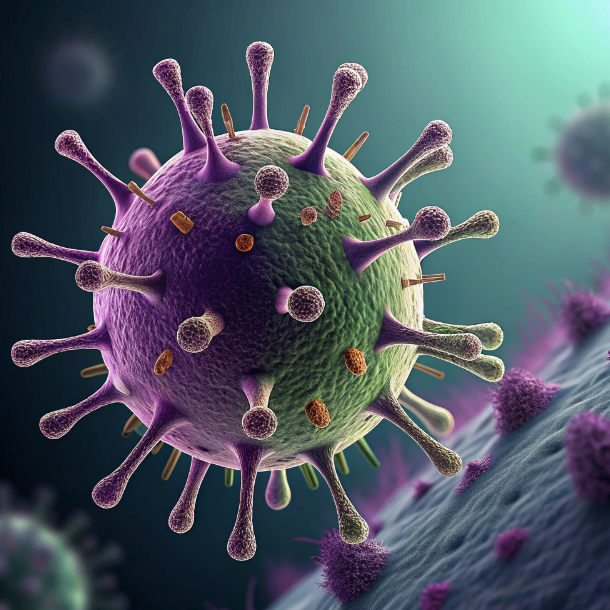
There is no licensed vaccine or specific antiviral treatment for Nipah, which means health authorities rely on early detection, supportive care, and infection control practices to limit spread during outbreaks.
Thailand’s Preventive Measures at Airports
In light of confirmed Nipah virus cases in West Bengal, India, Thailand’s Ministry of Public Health has reintroduced COVID-style health screenings at its major international airports — including Suvarnabhumi, Don Mueang, and Phuket. Measures include:
- Thermal scanning and temperature checks for incoming passengers.
- Health declaration forms and epidemiological screening for travellers from outbreak areas.
- Symptom monitoring, with those showing signs like fever, is referred for further medical evaluation.
- Close cooperation between the Department of Disease Control and the airport authorities.
The proactive screening effort has already covered approximately 1,700 passengers arriving from India, with none testing positive for the virus so far.
Thailand Has No Confirmed Cases — Yet
Thai health officials have emphasised that no Nipah virus infections have been detected in the country, and Thailand has never recorded a case in its history. Authorities have stated that despite the increased surveillance, current data show no evidence of local transmission or community spread.
Enhanced readiness includes keeping three hospitals on standby for suspected cases and drafting clinical guidelines to support healthcare staff in managing potential Nipah illnesses.
The Regional Context
Neighbouring countries, including Nepal, Taiwan, and others in Southeast Asia, have also intensified screening and health checks amid the outbreak in India, reflecting widespread concern over the virus’s potential to cross borders via international travel.
India’s authorities have worked to contain the outbreak, with the World Health Organization and multiple national health ministries continuing surveillance and contact tracing efforts to manage isolated clusters.
You might also want to read: What to Know About the Fast Spreading Nipah Virus