New Epstein Photos Show Prince Andrews Hovering Over Woman
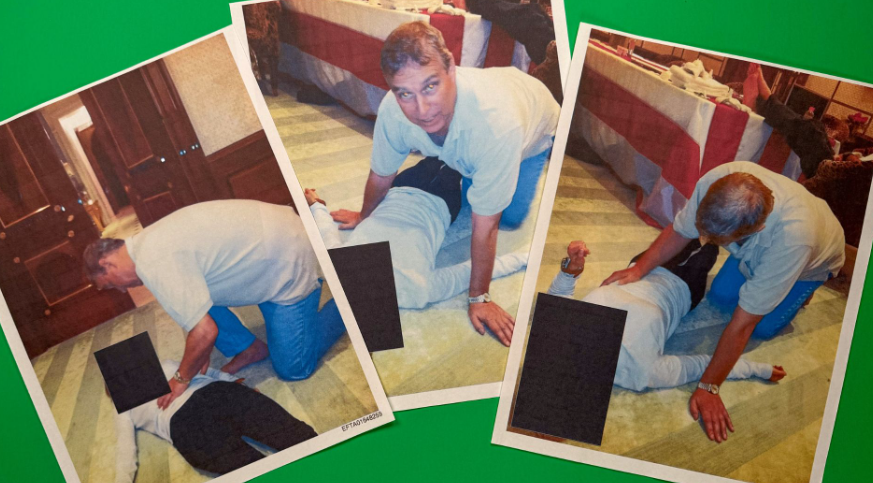
© DOJ
Newly released documents from the Jeffrey Epstein file dump — a massive trove of emails, images, and records published under the Epstein Files Transparency Act — include photos and communications involving Andrew Mountbatten-Windsor, formerly Prince Andrew. The images and emails have once again thrust the 65-year-old royal into the spotlight, prompting political calls for him to testify and reigniting scrutiny over his long-publicised association with Epstein and his circle.
What the Epstein Images Show
Among the more than 3 million pages of documents and roughly 180,000 images released by the U.S. Department of Justice, several photographs appear to depict Andrew Mountbatten-Windsor in unusual and controversial poses. In multiple pictures, he appears crouched on all fours over an unidentified woman lying on the floor, his hand on her torso in at least one frame. The woman’s face has been redacted in these images, and there is no information provided about when or where the photos were taken.
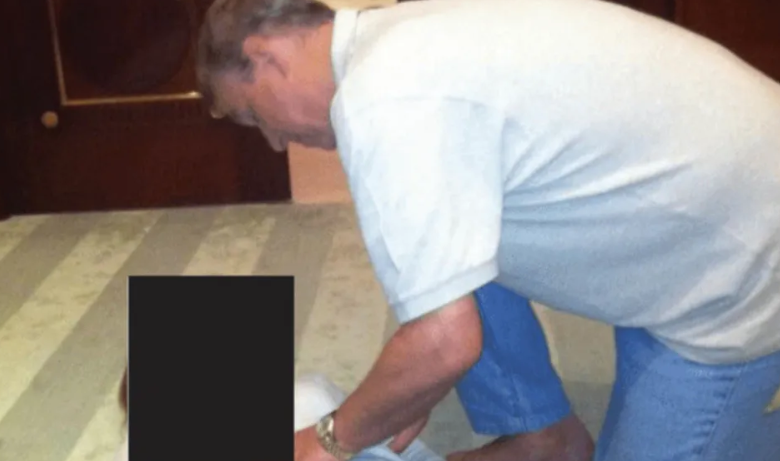
Broadcasters and news agencies reporting on the documents note that the photographs lack captions and clear context provided by authorities, leaving both the setting and purpose of the images indeterminate.
Epstein Email Exchanges and Ongoing Connections
In addition to the photos, the files include email exchanges between Epstein and Andrew that suggest contact continued long after Epstein’s 2008 conviction. Moreover, in one 2010 exchange, Epstein invited Andrew to meet a “beautiful” 26-year-old Russian woman, and the former prince responded that he would be “delighted to see her.” In another message, Andrew allegedly discussed private arrangements at Buckingham Palace.
These records — while not evidence of criminal conduct — contradict assertions that Andrew severed ties with Epstein immediately after the financier’s legal troubles, and they show social and private invitations well into the years after Epstein’s first conviction.
Renewed Political Pressure
The release has sparked political reaction across the UK. British Prime Minister Sir Keir Starmer has called on Andrew Mountbatten-Windsor to testify before a U.S. congressional committee about his relationship with Epstein, arguing that full transparency is needed for public accountability. Starmer’s appeal comes as Victims’ advocates and lawmakers urge an investigation into any unresolved aspects of the royal’s past association with the convicted sex trafficker.

Andrew, who was stripped of his royal and military titles in 2025 amid ongoing controversies, has not publicly commented on the newly surfaced images or emails. His denials of wrongdoing in the past — particularly regarding allegations involving Epstein associate Virginia Giuffre — have been consistent, though contested.
Context and What the Files Do — and Don’t — Prove
It’s important to note that presence in the Epstein files — whether through an email, photograph, or reference — is not proof of criminal activity or a legal finding. DOJ officials and legal analysts emphasise that the document releases include unverified material, draft communications, and raw investigative content that have not been independently corroborated or vetted for accuracy.
The images involving Mountbatten-Windsor are part of a broader release that names numerous public figures — from Elon Musk to Bill Gates and former British political leaders — but officials have stressed that the files as published do not automatically imply wrongdoing by individuals mentioned.
Nonetheless, the juxtaposition of photos, emails, and continued political pressure illustrates how the Epstein documents continue to shape global conversations about power, accountability, and historical associations among the wealthy and influential.
You might also want to read: Musk, Prince Andrew and Others in Newly Released Epstein Files