Saif al-Islam Gaddafi, Son of Former Libyan Leader, Killed in Attack
© CC BY 3.0
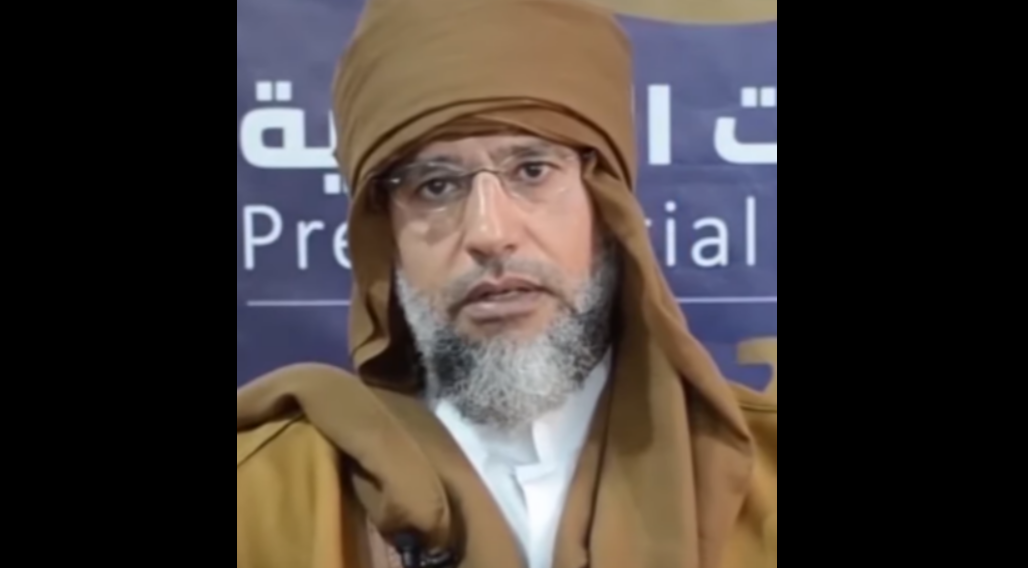
Saif al-Islam Gaddafi, the most prominent surviving son of Libya’s former ruler Muammar Gaddafi, has been killed in his home city of Zintan in western Libya, local sources and his legal team confirmed on February 3, 2026.
He was 53 years old, and his death underscores the persistent instability and factional violence that continue to plague Libya more than a decade after the 2011 uprising that toppled his father’s regime.
Circumstances Surrounding the Killing
According to multiple reports, Gaddafi was shot dead after armed assailants forced their way into his residence in Zintan, a town that had been his base since his release from detention years earlier. Four masked gunmen reportedly disabled security cameras before the attack, killing him on the spot before fleeing the scene. Local authorities have not yet publicly confirmed arrests or identified those responsible, and the motive for the killing remains unclear as investigations begin.
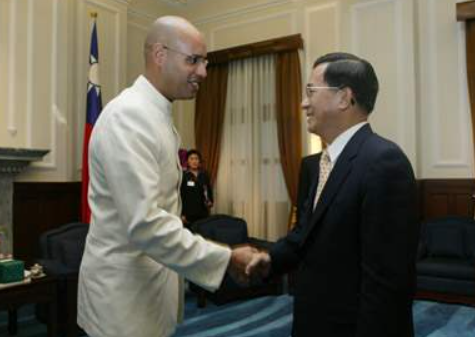
His lawyer and close associates said Saif al-Islam’s security concerns had been rising in recent weeks, though they did not provide details about specific threats. Libyan media, family sources and his adviser Abdullah Othman all confirmed his death in statements released following the shooting.
Gaddafi & His Role in Libya’s Turbulent History
Saif al-Islam was once viewed as one of the most powerful figures in Libya, serving as a key political figure and diplomatic interlocutor during his father’s rule. Educated in the West, including at the London School of Economics, he cultivated a reputation as a possible reformer while also remaining deeply tied to the Gaddafi regime’s inner circle. Before the 2011 uprising, many saw him as Muammar Gaddafi’s heir apparent.
During the 2011 Arab Spring-era rebellion that ultimately toppled his father, Saif al-Islam was a central figure in the government’s brutal crackdown on protesters and armed opposition. After the regime’s fall, he attempted to escape Libya but was captured by a militia near Zintan and later detained. He was sentenced to death in absentia by a court in Tripoli in 2015 for war crimes, and he remained wanted by the International Criminal Court. However, he never faced ICC custody following his release.
In 2017, he was released from prison under a general amnesty and lived in Zintan, where he maintained a degree of influence, though not an official government position. In 2021, he launched a controversial bid for the Libyan presidency, a move that was blocked on legal grounds and contributed to the collapse of that election process.
Political Implications and Reactions
Saif al-Islam’s death comes at a sensitive moment for Libya, which has been struggling to establish stable governance amid rival administrations, warlord rivalries, and ongoing militia influence. His presence had been seen by some as a potential unifying (or polarising) force, depending on factional loyalties. With his passing, one of the most direct links to the Gaddafi era — which dominated Libya for more than four decades — has been removed, further complicating the country’s fractious political landscape.
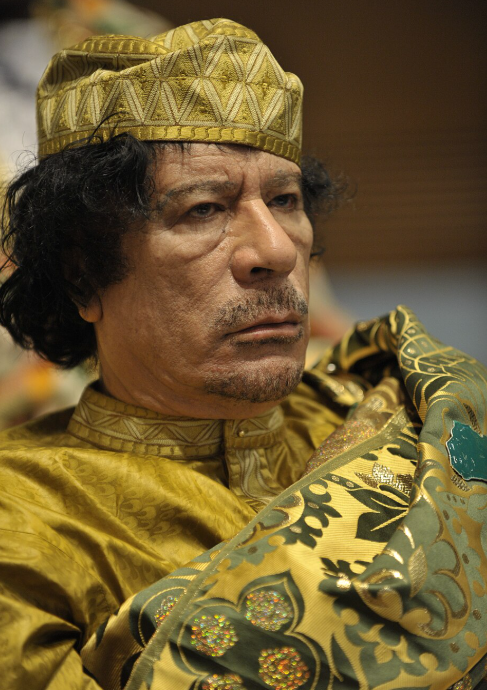
Local political figures and former officials have called for an urgent, transparent investigation into the assassination, insisting that the killing must not be allowed to deepen Libya’s already deep divisions. Broader reactions across Libya and internationally are still unfolding, with many awaiting official statements from the Libyan government and regional actors.
Gaddafi: Legacy of a Controversial Figure
Saif al-Islam’s life mirrored the tumultuous trajectory of modern Libyan history — from the heights of his father’s regime through civil war, imprisonment, and a controversial return to the public eye. Supporters saw him as a figure with potential to influence Libya’s future direction; critics saw him as complicit in the repression and violence that marked the final years of Muammar Gaddafi’s rule. His assassination now raises pressing questions about Libya’s stability, the motives of armed actors in the power vacuum, and what his death means for the country’s fragile path toward peace.
You might also want to read: Epstein Traveled to Austria and Monaco Without Reporting It