A New Chapter in Medicine: The World’s First Bladder Transplant
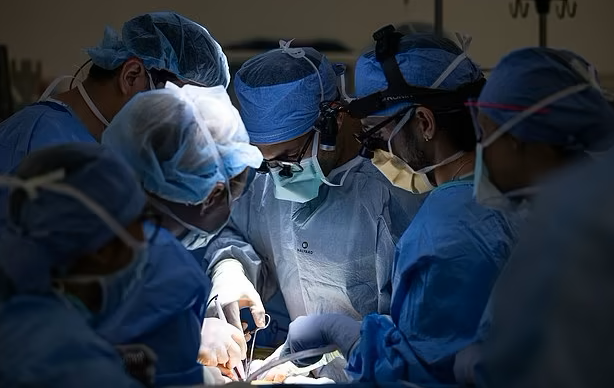
Nick Carranza/UCLA Health
On May 4, 2025, doctors in California performed the world’s first human bladder transplant, a medical milestone that could transform lives.
This historic operation, carried out at Ronald Reagan UCLA Medical Center, offers new possibilities for people with severe bladder problems, especially those affected by cancer.
World’s First Bladder Transplant: A Life-Changing Surgery
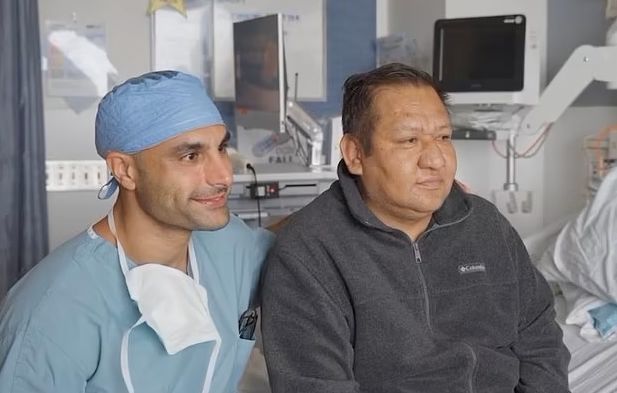
Oscar Larrainzar, a 41-year-old father of four from Los Angeles, was the first person to receive this transplant.
After battling a rare form of bladder cancer, he lost most of his bladder and both kidneys, leaving him dependent on dialysis for seven years.
His bladder could only hold a tiny amount of fluid, far less than a healthy bladder. This made everyday life a struggle, and he described himself as a “ticking time bomb.”
The surgery, which lasted eight hours, involved transplanting both a bladder and a kidney from a deceased donor.
Led by Dr. Inderbir Gill from the University of Southern California (USC) and Dr. Nima Nassiri from UCLA, the team used a new technique to connect the kidney to the bladder.
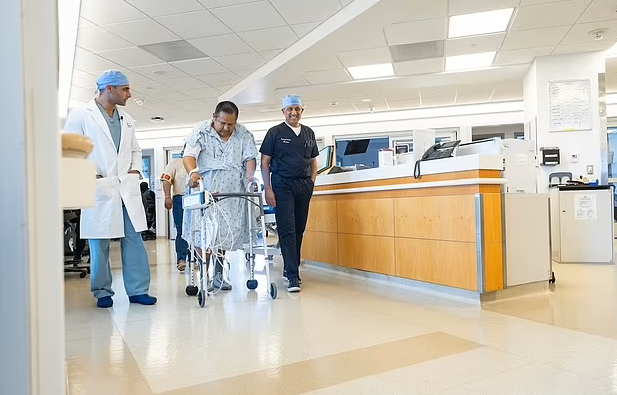
The results were immediate: the new kidney started producing urine right away, and Oscar no longer needed dialysis.
For the first time in years, he could use the bathroom independently, a moment doctors called “huge.”
Why This Matters
Until now, patients with severe bladder issues often had to rely on a procedure that uses part of the intestine to create a new bladder.
This method, called a neobladder, can cause infections and other problems because the intestine isn’t designed to hold urine.
A bladder transplant, however, provides a more natural solution. It could reduce complications and improve quality of life for people with bladder cancer or other conditions that damage the bladder.
This surgery is part of a clinical trial, with plans to perform four more transplants to study how well the new bladders work over time.
While there are risks, like the body rejecting the organ or side effects from medicines to prevent rejection, the success of this first operation is a big step forward.
Doctors are hopeful that this could become a standard treatment for carefully selected patients.
A Bright Future for Medicine

The journey to this moment took over four years of research, including practice surgeries using robotic technology.
The team at USC and UCLA worked together to develop a way to transplant a bladder, a complex organ surrounded by many blood vessels.
Their hard work paid off, and now they’re looking to the future. If the next surgeries are successful, larger trials could follow, potentially helping millions of people worldwide with bladder problems.
Oscar’s story is a beacon of hope. “I want to see my kids grow up,” he said, expressing his dream of a normal life.
This transplant has given him a chance to do just that, and it may pave the way for others to reclaim their lives, too.
As Dr. Gill said, “A potential door has been opened for these people that did not exist earlier.”
You might also want to read: Sperm Stem Cell Therapy Is Taking a Swing at Infertility