Americans Are Deleting TikTok After Controversial New Terms
© solenfeyissa / Unsplash
TikTok is facing major pushback in the United States after rolling out updated terms of service tied to its transition into a U.S.-based joint venture.
Users are alarmed by expanded data-collection permissions and content-use clauses — with many deleting the app entirely and others reporting glitches or algorithm changes shortly after the updates took effect.
What Changed in TikTok’s Terms
As part of its new U.S. joint venture structure, TikTok updated its terms of service in the United States, drawing intense scrutiny from users. The revisions reportedly include broader permission for the app to collect and use data — such as users’ content, biometric information, and metadata — for advertising, AI training, and product development.
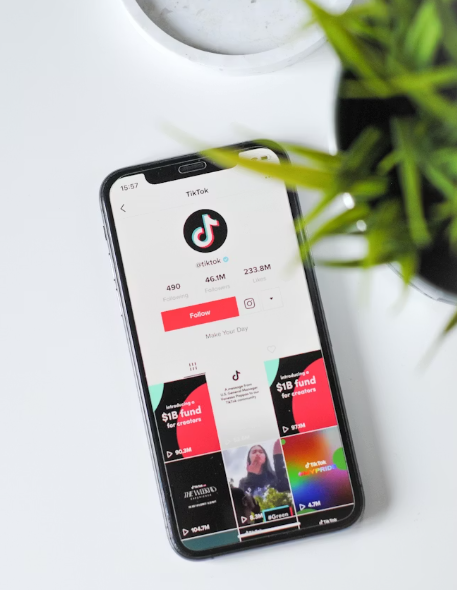
The updated terms appear to grant TikTok the ability to reuse user content and potentially ban accounts “without explanation,” which many users described as invasive or “predatory.” These clauses — though similar language existed in previous versions — gained fresh attention amid the unique context of the U.S. ownership shift.
Surge in TikTok Deletions and User Backlash
Following the release of the new terms and the establishment of the TikTok USDS Joint Venture, American users reportedly began deleting the app in significant numbers. Market intelligence data suggests U.S. TikTok deletions jumped by roughly 150% in the days after the changes compared with the average over the preceding three months.
Many users took to social platforms like X to express concerns about privacy, data security, and the visibility of personal information, with several promising to leave—or already uninstalling—the app permanently rather than agree to the new terms.
Technical Issues and Transition Problems
TikTok’s transition to the U.S. joint venture hasn’t been smooth. Users have reported glitches — including feed disruptions, failing uploads, and accounts showing old content rather than fresh videos. Some of these technical problems were blamed on a recent data center outage, which the company said affected performance in the U.S. during the switchover.
Though service functionality has largely returned since the outage, many users say their experience feels different under the new structure, and some allege changes to how the algorithm treats content, contributing to frustration among frequent creators and casual users alike.
Privacy and Political Concerns
The backlash over the terms of service is fueled not just by data privacy fears, but also by broader political dynamics. TikTok’s U.S. joint venture was formed to avoid a federal ban rooted in national security concerns about foreign access to American data. Even as the platform remains operational, critics worry the new ownership could still expose large-scale user information or be influenced by political actors.
Some users have tied their concerns to the timing of outages and changes in content reach, claiming — though without clear evidence — that certain political or critical topics are being deprioritised in recommendations. Whether these claims reflect algorithm changes, technical glitches, or misinterpretations, the perception has intensified user distrust.
You might also want to read: Jennifer Lawrence Admits She Has a Secret TikTok Life