Body Found 60 Years Ago Identified as Native American Woman
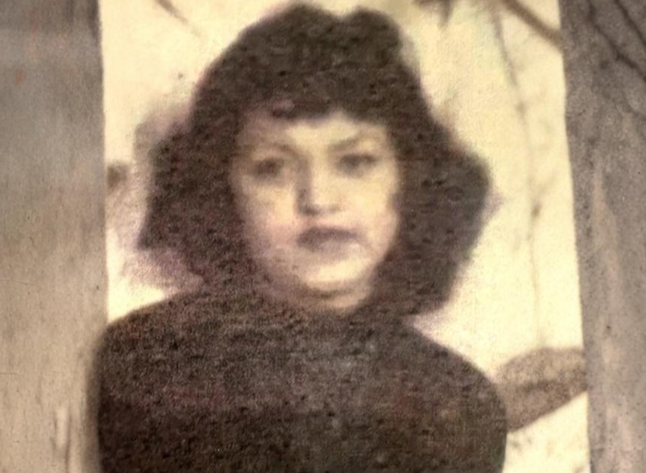
© Will County Coroner's Office
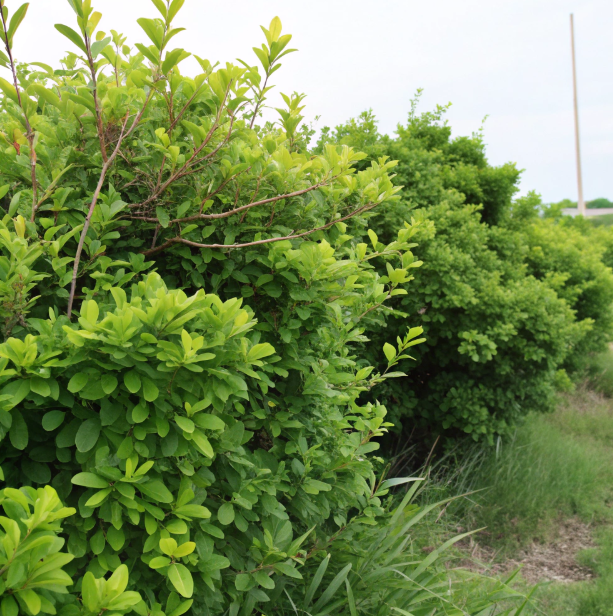
In the late summer of 1968, a woman’s body was discovered in dense brush along a rural roadside in Will County, Illinois, just off the intersection of a highway and a country road.
At the time, investigators could not identify her, and she was buried without a name. Only decades later, technological advances made identification possible—and today her identity has been officially confirmed: Martha Bassett, a Native American woman originally from Wapato, Washington.
Lost After Relocation
Under the Indian Relocation Act of 1956, Martha moved from her hometown to Chicago in 1960—part of a federal program encouraging Indigenous individuals to settle in urban areas. By 1967, she had lost contact with her family, who traveled to Chicago in hopes of finding her, but returned without success.
Advanced DNA Cracks the Cold Case
In 2009, the case was reopened thanks to modern forensic tools. Remains were sent to laboratories, including the University of North Texas and the Smithsonian, which confirmed her Native American ancestry. Generations later, genealogical teams reached out to tribes in the Midwest. A match came through DNA provided by one of her nieces, solving a mystery nearly six decades in the making.
The Will County Coroner’s Office praised the collaborative forensic effort as a triumph of science, persistence, and community outreach—and a source of hope for families still searching today.
Impact on Family and Community
Martha’s family, including her surviving relatives in Washington state, finally received long-sought answers. For years, they presumed something tragic had happened—but without confirmation, grief lingered unanswered. Now, with her identity revealed, they can hold a proper memorial and begin the emotional process of closure.
The case also resonates beyond personal healing. It symbolizes empowerment for Indigenous families whose loved ones have gone missing under similar circumstances. By connecting technology with compassion, authorities hope to inspire future identifications.
Why It Still Matters
This identification highlights major shifts in how cold cases are handled. Where once time and decomposition made identification nearly impossible, today DNA analysis and genealogical investigation offer new potential—even for victims lost before modern record-keeping.
The case also reaffirms a deeper point: marginalized populations often remain invisible in early investigative systems. Martha’s rediscovery serves as a powerful reminder that every unidentified person deserves dignity and a name.
Healing—and Questions That Remain
While Martha’s name is now known, key questions endure: how and why she died remains unknown. Authorities confirmed blunt force trauma, suggesting foul play, but the investigation into her killer is still unresolved. Her story may be nearing closure—but justice has yet to catch up.
You might also want to read: Man Stabbed While Protecting Commuters at SF Train Station