California Sticks With World Health Organization as U.S. Exits

© CC BY 2.0
As the United States formally completed its withdrawal from the World Health Organization (WHO) earlier this month, California has taken an unprecedented step by affiliating itself with a WHO-coordinated public health network.
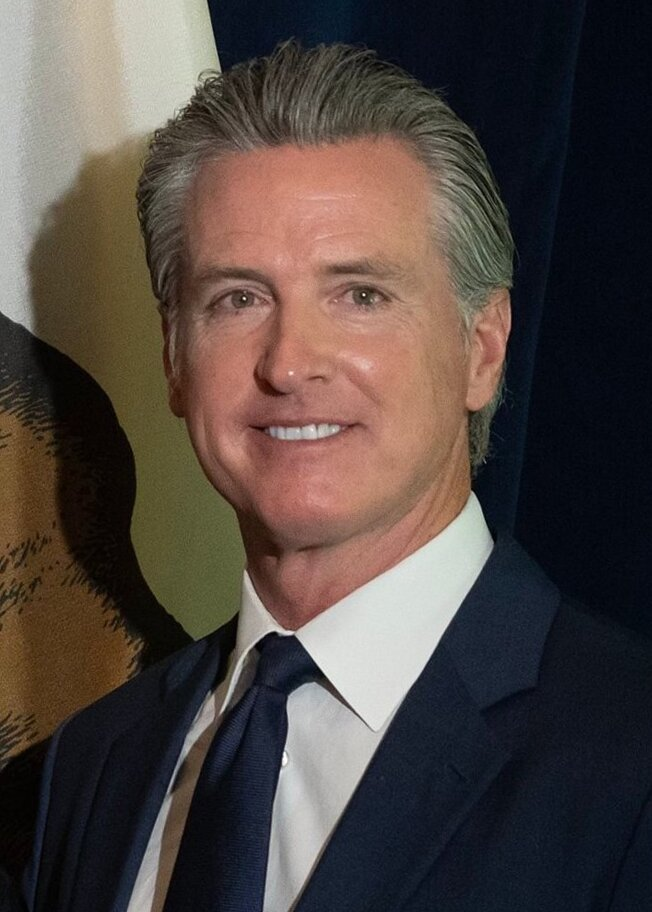
The move, announced by Governor Gavin Newsom, underscores a sharp divergence in health policy between California and the federal administration and signals the state’s intent to maintain global public health partnerships.
U.S. Exit from the World Health Organization
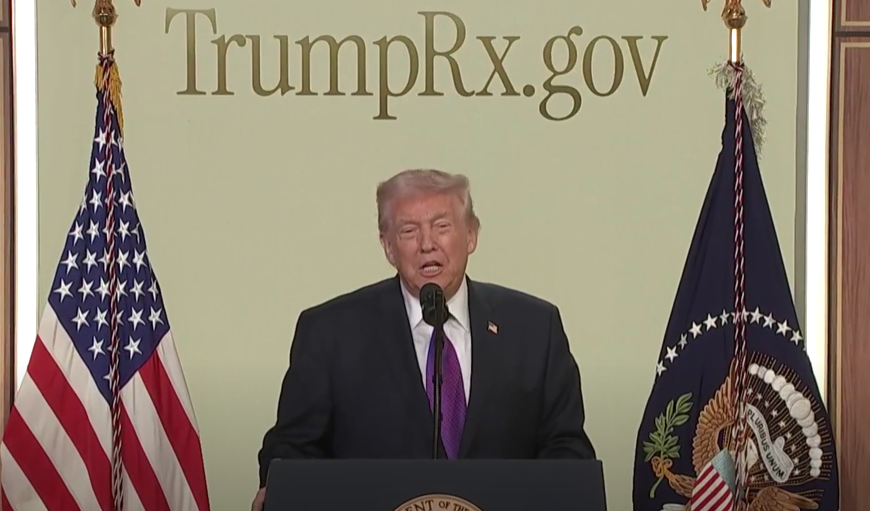
On January 22, 2026, the United States officially left the WHO, a global body it had been part of since the organization’s founding in 1948, following a formal notice of intent issued by the White House in early 2025. The federal government defended the move by accusing the WHO of mismanagement and political bias during past health emergencies, particularly the COVID-19 pandemic, and cited systemic failures as justification for ending participation.
The departure marks the first time a country has left the WHO and triggered warnings from global health experts about weakened coordination in future outbreaks. Critics have also noted the U.S.’s unpaid dues and legal obligations that remain unsettled even after the exit.
California Bucking the Federal Trend
In the wake of the federal withdrawal, California announced it will join the WHO’s Global Outbreak Alert and Response Network (GOARN) — a consortium of more than 360 institutions worldwide aimed at detecting and responding to emerging infectious diseases and public health threats. It becomes the first U.S. state to affiliate with this global network.
Governor Gavin Newsom criticised the federal decision as “reckless” and said California will not let the state “bear witness to the chaos this decision will bring,” emphasising the importance of international cooperation to protect public health. Newsom’s office also highlighted his recent meeting with WHO Director-General Dr. Tedros Adhanom Ghebreyesus at the World Economic Forum in Davos to discuss future collaboration.
What GOARN Membership Means
By joining GOARN, California’s public health agencies and partner institutions — including academic centers and laboratories — will gain access to WHO-coordinated early warning systems, shared research and resources, and rapid response mechanisms for global health threats. This affiliation strengthens the state’s ability to detect outbreaks early and coordinate with international health professionals on containment strategies.
State officials have framed the move as a practical step to shield Californians from future epidemics and preserve global scientific cooperation, even as federal ties to the WHO have been severed.
Political Implications
California’s decision reflects broader tensions between state and federal approaches to public health and global engagement. As the country wrestles with the impacts of leaving the WHO, California’s alignment with WHO structures positions it as a leader in cross-border health collaboration. Experts say subnational entities joining global health networks is unusual but signals how regions can adapt when national policy shifts away from international institutions.
The move also underscores a political dividing line: while the U.S. government moves to disentangle itself from the WHO, some state leaders see continued partnership as essential for preparedness against pandemics and other shared health challenges.
You might also want to read: United States Officially Withdraws from World Health Organization