Chappell Roan Withdraws Tribute to Brigitte Bardot
© CC BY-SA 2.0
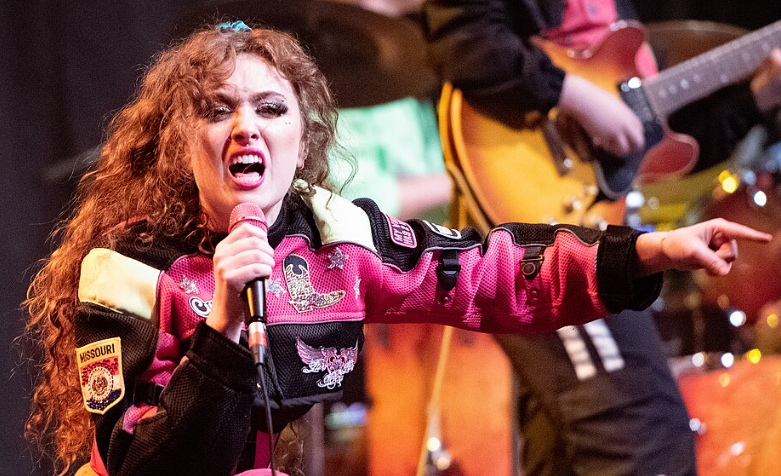
Grammy-winning pop singer Chappell Roan found herself at the centre of an online controversy after she posted an Instagram tribute to the late Brigitte Bardot, only to retract it the next day upon learning of Bardot’s controversial political history. Roan’s initial message praised Bardot as an inspiration — especially in relation to her song “Red Wine Supernova”, which name-checks Bardot in its opening verse — but the response quickly shifted after fans reminded her of Bardot’s far-right affiliations and inflammatory remarks.
In her follow-up Instagram Story, Roan wrote: “Holy s— I did not know all that insane s— Ms. Bardot stood for. Obvs I do not condone this. Very disappointing to learn.” The singer’s comment was a direct response to the backlash and widespread criticism from her followers, many of whom flagged Bardot’s history of xenophobic, racist, and anti-LGBTQ+ statements.
Bardot’s Complex Legacy
Brigitte Bardot, who died on December 28, 2025, at age 91, was a major French film star of the 1950s and 60s, known for roles in And God Created Woman and Contempt. Later in life, she became an animal rights activist but also courted persistent controversy due to her outspoken political views. Bardot was repeatedly fined in French courts for inciting racial hatred with remarks targeting immigrants and Muslims, and she drew criticism for homophobic comments and dismissal of movements like #MeToo.
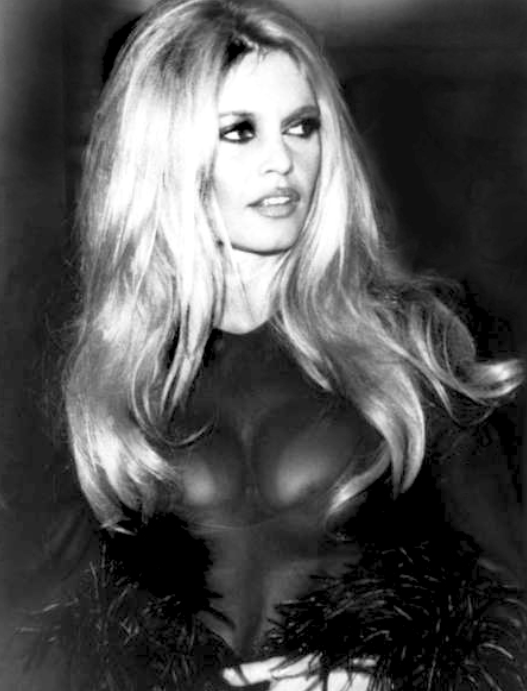
These aspects of Bardot’s public life have long complicated her legacy, so when Roan’s tribute first appeared, some social media users expressed concern that the pop star might not have been aware of the full historical context behind Bardot’s later actions and statements.
Chappell Roan’s Response and Values
Roan’s quick reversal and explicit rejection of Bardot’s views highlight the challenges public figures face when responding to celebrity news — especially involving complex or problematic legacies. The singer, 27, rose to prominence with songs like “Red Wine Supernova” (which references Bardot in the opening line: “She was a playboy, Brigitte Bardot / She showed me things I didn’t know”) and has been vocal about her support for LGBTQ+ rights and inclusivity throughout her career.
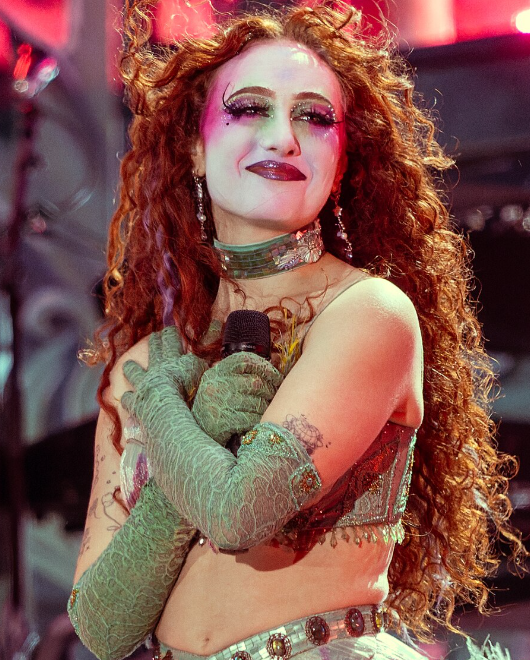
In her statement, Chapell Roan made it clear that her admiration for Bardot was tied specifically to artistic influence — not political alignment — and that learning about Bardot’s views on race, religion, and sexuality was “very disappointing.” Her response was largely framed around holding leaders and icons accountable and reaffirming her own values as an artist and advocate.
Public Reaction and Broader Debate
Public reaction to Roan’s reversal was mixed. Some fans praised her for correcting course once presented with new information, noting that Bardot’s controversial politics are well-documented and socially harmful. Others debated whether paying tribute to an icon’s early career is inherently an endorsement of their entire life or beliefs. Online discussions also pointed out that many people may recognise Bardot’s name and image without knowing the details of her political history, especially younger global audiences.
The incident also drew broader commentary about how artists and public figures should navigate honouring cultural pioneers whose personal views are at odds with modern values, and whether it’s possible to separate artistic influence from problematic legacy.
You might also want to read: Every Controversial Thing Brigitte Bardot Has Done