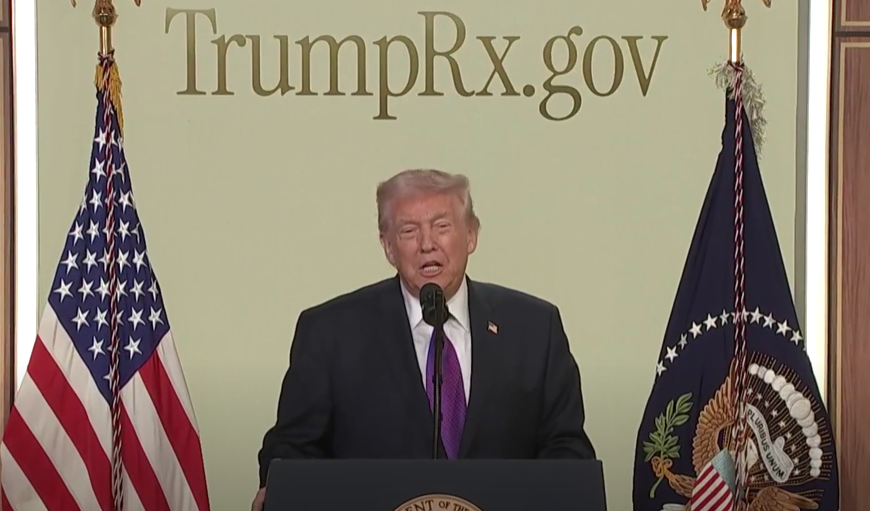
China Fires Back: Retaliatory Tariffs After Trump’s 100% Threat

© Attribution
A fresh escalation in the U.S.–China trade standoff has arrived: after President Trump threatened a sweeping 100% tariff on Chinese imports, Beijing responded with a firm warning and plans for countermeasures. The tit-for-tat dynamics could reshape global supply chains — and prompt serious economic fallout.
Trump Cranks Up the Pressure
In his latest move, Trump proposed doubling tariffs on Chinese goods — adding to already steep trade barriers in place. He also floated restrictions on exports of “critical software” to China. The move signals a hardline approach he’s calling necessary to confront what he views as Beijing’s aggressive trade posture.
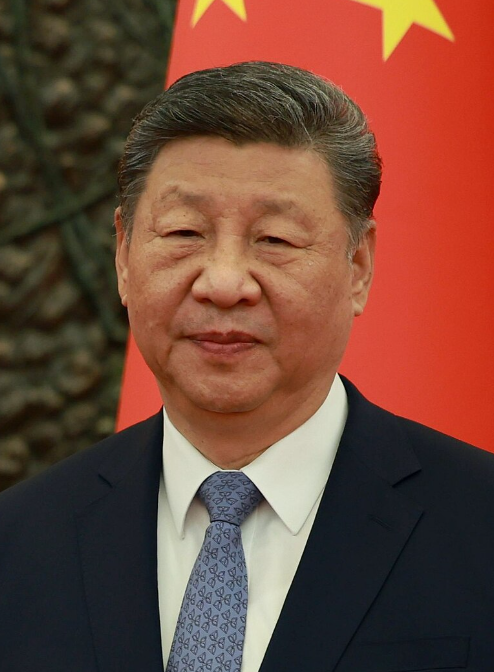
However, Trump made it clear the threats aren’t set in stone — he’s left space for negotiation. Part of his strategy seems aimed at pushing China into concessions rather than outright economic warfare.
China’s Riposte: Port Fees, Tariffs & Warnings
Beijing didn’t hold back. In an official statement, the Ministry of Commerce accused the U.S. of hypocrisy and unilateral aggression. It pledged “resolute measures” if Washington follows through.
Some of the immediate countermeasures include:
- Special port fees on U.S.-bound ships
- Additional retaliatory tariffs on U.S. goods
- A demand that the U.S. retract tariff threats and act with restraint
Chinese officials framed these moves as defensive, painting the U.S. proposals as destabilizing both trade relations and international norms.
What’s Driving This Clash
The conflict isn’t just about tariffs — it’s about leverage in a changing global order. A few key factors:
- Rare earth dominance: China controls much of the supply chain for rare earth minerals. Washington sees exports of these materials and software as strategic pressure points.
- Trade rule erosion: As both sides ignore or bend WTO rules, the traditional framework for resolving trade disputes weakens.
- Domestic politics & optics: Trump’s base demands toughness — and retaliating aggressively could play well politically.
- Global ripple effects: Tariffs and counters raise costs broadly: for electronics, component manufacturers, and consumers.
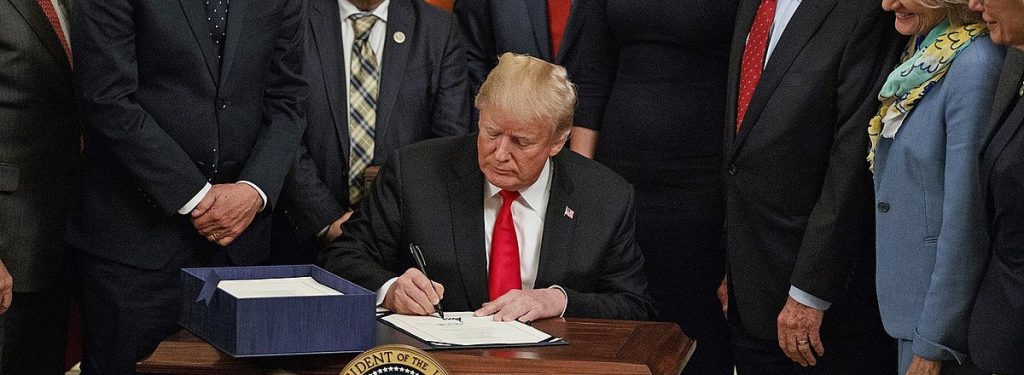
The Road Ahead: De-escalation or Full Trade War?
The danger here is that rhetoric becomes reality. Some plausible scenarios include:
- Backpedaling: Either side opts to scale down threats to preserve trade and avoid mutual damage.
- Selective escalation: Rather than blanket tariffs, each country targets specific industries for retaliation.
- Broader retaliation: China might hit high-profile U.S. sectors (agriculture, auto) to ratchet up pressure.
- Negotiated deal: Under global pressure, both sides may return to diplomatic talks with detente as an option.
For now, most agree we’re in an uneasy equilibrium — where brinkmanship is the norm, and stability hangs by a thread.
You might also want to read: President Trump Slams Bad Bunny’s Super Bowl Booking