Creepy New AI App That Lets You “Talk” to Dead Loved Ones
© 2wai
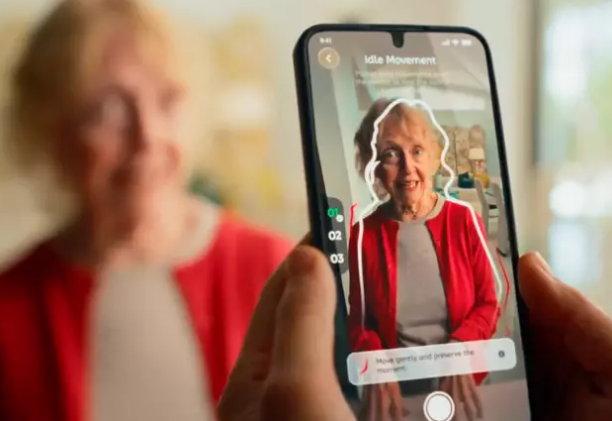
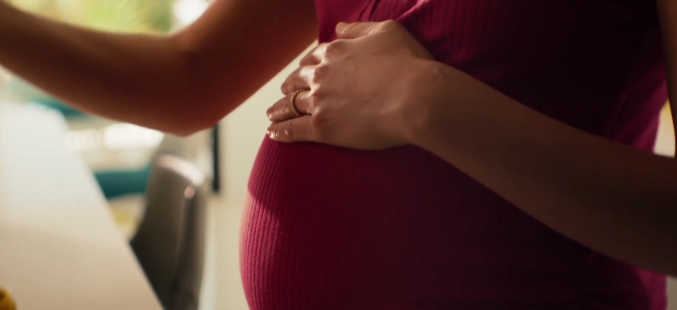
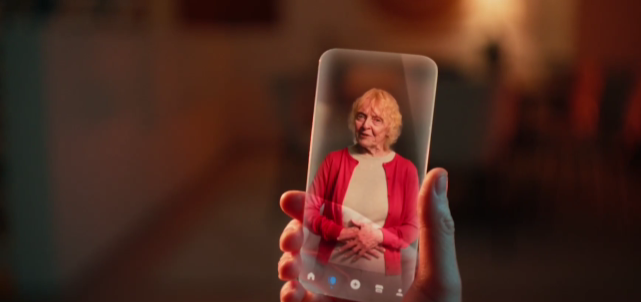
Former Disney Channel star Calum Worthy is making headlines — and ruffling feathers — with his new AI app, 2wai, which allows users to create digital avatars of deceased loved ones. The app’s promotional video shows a woman on a video call with her late mother, who gives pregnancy advice, and later reads bedtime stories to her grandson.
Worthy, speaking to his vision, said 2wai is “building a living archive of humanity, one story at a time.”
How the 2wai App Works
According to Worthy and the company, the app can generate what they call HoloAvatars based on only three minutes of video, plus voice and text inputs. Once created, these avatars can interact in real time across the app, giving users a sort of “digital memory” to talk to.
Worthy has pitched 2wai not just for personal loss, but also as a tool for education, with avatars of historical figures like Shakespeare, Frida Kahlo, and even a replica of Worthy himself.
The Outcry: Creepy, Dystopian, or Exploitative?
Unsurprisingly, the reaction has been intense and largely negative. Many users online are calling the app “demonic,” “nightmare fuel,” and comparing it to a Black Mirror episode. One critic dismissed the app as “objectively one of the most evil ideas imaginable,” accusing it of profiting off grief.
Experts and ethicists are raising big “what ifs”:
- What if these digital recreations distort a person’s memory, turning real relationships into simulations of AI?
- Could this technology mess with the grieving process, preventing closure?
- What about consent, data use, and ownership of a “digital afterlife”?
Worthy’s Defense for His App
Worthy has defended 2wai, saying it’s not about replacing loved ones but archiving their stories for the future. He argues that capturing even a few minutes of someone’s voice and mannerisms offers comfort and connection that would otherwise fade. He also emphasizes the app’s privacy features, claiming interactions are processed on-device to prevent “hallucinations” or AI inventing things that weren’t said.
Still, the backlash is showing no signs of slowing. Critics say that even if 2wai is well-intentioned, it carries deep ethical risks—and for some, just because you can recreate the dead doesn’t mean you should.
You might also want to read: Vine Is Officially Making a Comeback — With a Major Twist