Cruise Ship Passenger Who Died Was Served 33 Drinks Beforehand

© Connie Aguilar's Attorney
Even the promise of sunny seas and cocktails can turn dark. On a 2024 voyage from Los Angeles to Ensenada aboard a Royal Caribbean ship, 35-year-old passenger Michael Virgil was allegedly served a barrage of drinks, lost, became distressed, and was met not with help but force. The events ended in his death and have now triggered a wrongful death lawsuit alleging gross negligence and deadly mistreatment. Around the globe, cruise passengers and vacation-seekers are watching closely.
What the Lawsuit Says — Overindulgence, Confrontation, and Fatal Force
According to the lawsuit filed this week, Virgil was given at least 33 alcoholic drinks after boarding the ship and while waiting for his cabin to be ready.
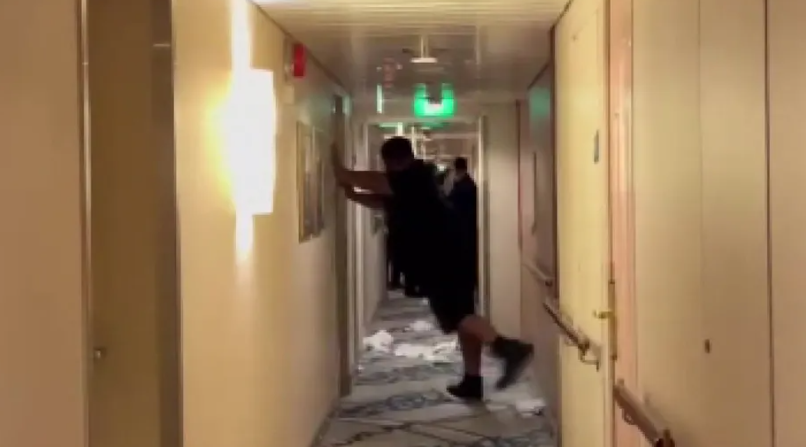
After reportedly showing signs of intoxication, he became disoriented while trying to find his family’s room — leading to a confrontation with crew and security.
Crew members allegedly tackled him, restrained him forcibly — standing on him with their full weight — used pepper spray, and an injection of sedative was reportedly administered.
The result, the lawsuit claims, was a deadly combination: intoxication, physical restraint, impaired breathing — culminating in respiratory failure and death.
Official Findings — Homicide Ruling, Legal Claims, and Cruise Industry Scrutiny
The medical examiner’s office ruled Virgil’s death a homicide, attributing it to mechanical asphyxia, ethanol intoxication, obesity, and an enlarged heart.
As a result, his fiancée has filed a wrongful-death lawsuit seeking damages for loss of support, funeral costs, and other damages.
The suit alleges that Royal Caribbean failed in its duty of care — both by overserving alcohol despite obvious intoxication and by using excessive force and inadequate medical procedures when he became unstable.
Why This Case Resonates — Safety, Oversight, and the Dark Side of “All-Inclusive”
Cruise ships are often marketed as carefree escapes — with free-flow drinks and relaxed security. But this case highlights dangerous extremes of “all-inclusive” culture: when profit meets lowered inhibitions, the results can be fatal.

It raises questions about crew training, alcohol-serving policies, and what constitutes “reasonable care” when a passenger becomes intoxicated. As one maritime attorney cited in the coverage said, serving 30+ drinks quickly is a massive deviation from accepted protocols.
For passengers — especially those traveling with vulnerable family members — this case may shake confidence in cruise safety standards.
What Happens Next — Lawsuit, Scrutiny, and Industry Spotlight
With the lawsuit now filed, Royal Caribbean will face serious legal and reputational fallout. If the court finds negligence or wrongful death, it may force the cruise industry to re-evaluate alcohol-serving practices and onboard security protocols.
Meanwhile, victims’ rights groups and other passengers could push for stricter regulations or oversight of onboard alcohol distribution and restraint methods. For now, the tragedy stands as a warning: luxury and leisure don’t immunize anyone from disaster — especially when alcohol and force are in the mix.
You might also want to read: Live Aboard Forever: Inside the Floating Village of Villa Vie Odyssey