World’s First Dead Heart Brought Back to Life for 3-Month-Old Baby Transplant
© onlyyouqj / Freepik
What is a dead heart transplant, and how does it differ from traditional methods?
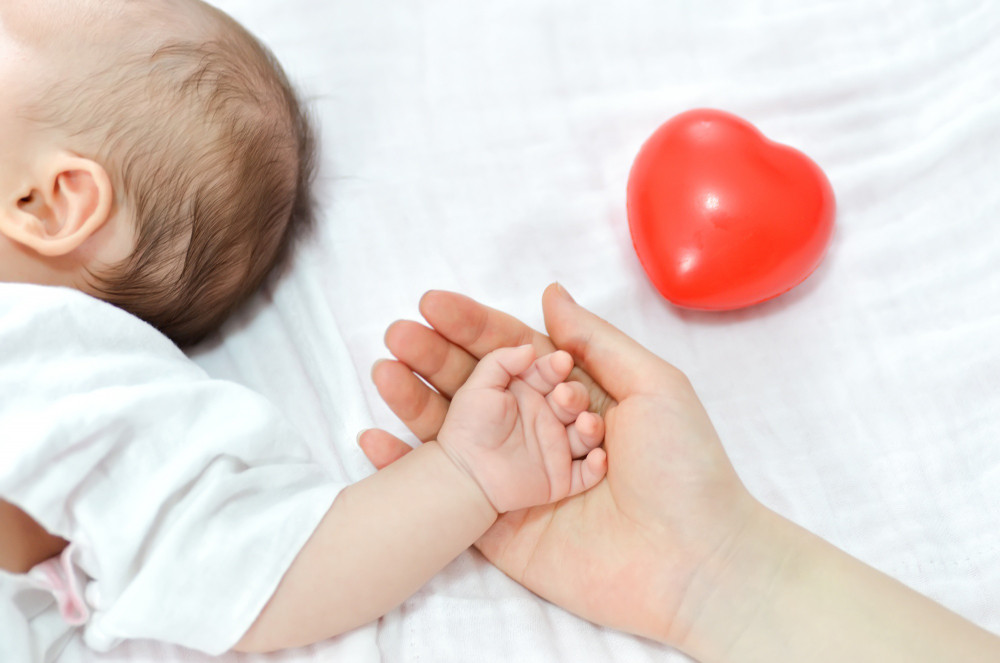
Imagine a tiny baby fighting for every beat of their heart.
Doctors face a tough choice: wait for a perfect match that might never come, or try something no one has done before.
This is the story of a medical team pushing the limits to give hope to families in crisis.
What if a heart that has stopped could be given a second chance?
Keep reading to find out how this idea became reality.
Dead Heart Transplant: Reviving Hope for Infant Heart Patients
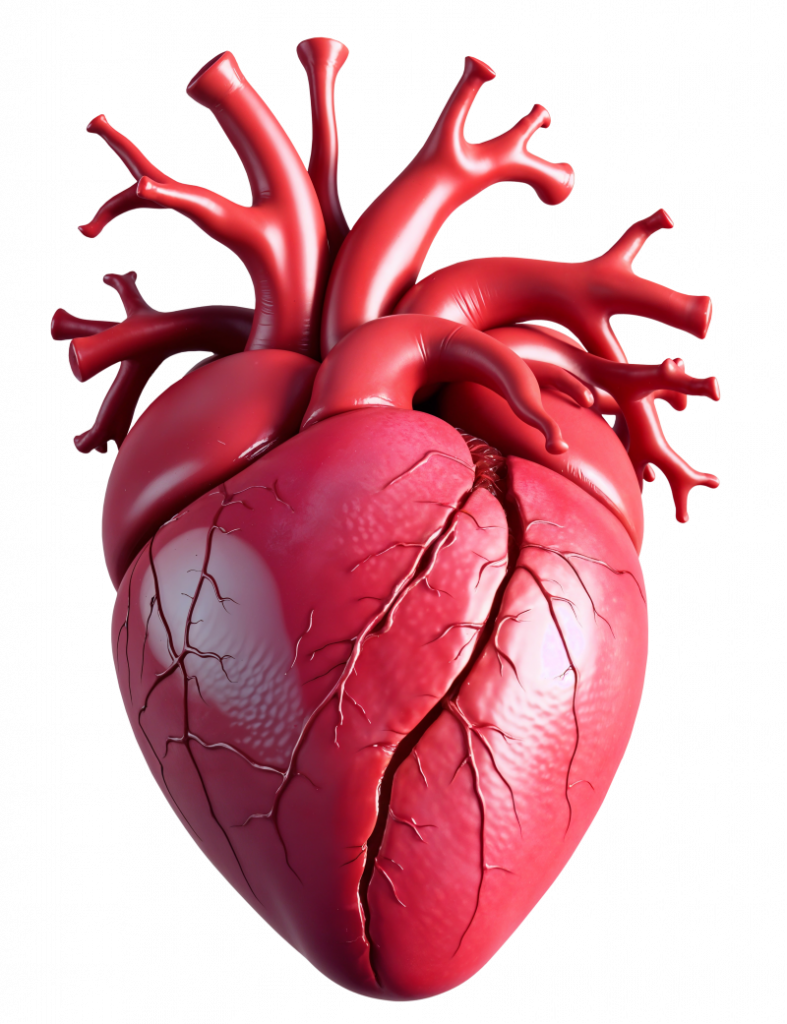
In the United States, many babies need new hearts to survive. Up to 20 percent of these infants pass away while waiting for a donor. Most donors are people declared brain dead, but that limits the number of available organs.
Only a small fraction of child heart transplants come from donors after their heart has stopped beating. This is called donation after circulatory death.
Doctors at Duke University wanted to change that. They worked on a way to use hearts that had stopped for a short time. These hearts are often not used because they can get damaged without blood flow.
The team built a special machine to restart the heart outside the donor’s body. It uses oxygen and pumps to bring the organ back to life on the operating table.
This method avoids some tough questions about right and wrong. Some people worry about restarting a heart inside the donor’s body, as it might blur the line between life and death. By doing it on the table, the process stays clear and focused on saving lives.
A Life-Saving Surgery for a Three-Month-Old
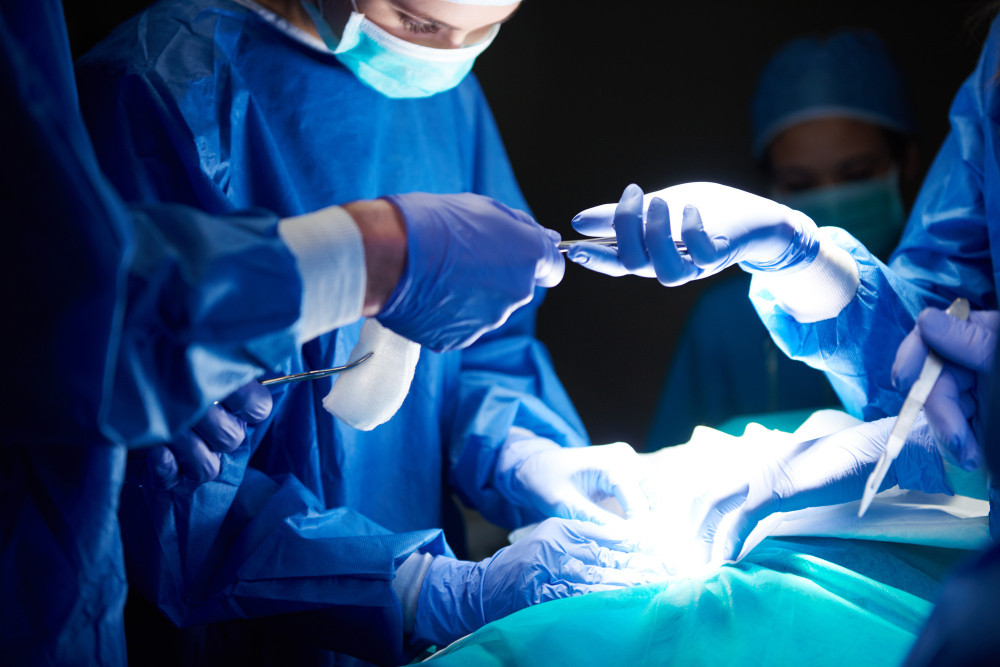
A three-month-old baby needed a heart transplant badly. The child’s own heart could not work well enough to keep them alive. Finding a full heart match takes months, but time was running out. The Duke team decided to try their new approach.
They took a donor heart that had stopped beating for over five minutes. Using their custom setup, which includes an oxygen machine and a pump, they got the heart beating again. This small heart was perfect for the baby because current machines for keeping organs alive are too big for infants.
The surgery went well. The baby got the revived heart, and six months later, tests showed normal heart function with no signs of the body rejecting it. This success proves the idea works for young patients.
Other teams are trying different ways too. At Vanderbilt University, doctors preserve stopped hearts without restarting them right away. They use a clamp and cold liquid to keep the heart ready for transplant. In their cases, all transplanted hearts worked well after surgery.
These new methods could add up to 30 percent more donor hearts. That means fewer babies waiting and more lives saved. But there are still debates about ethics.
Critics say taking organs after the heart stops might not be fair if the donor could recover. Supporters argue it helps many more people without harming donors.
The Future of Organ Transplants
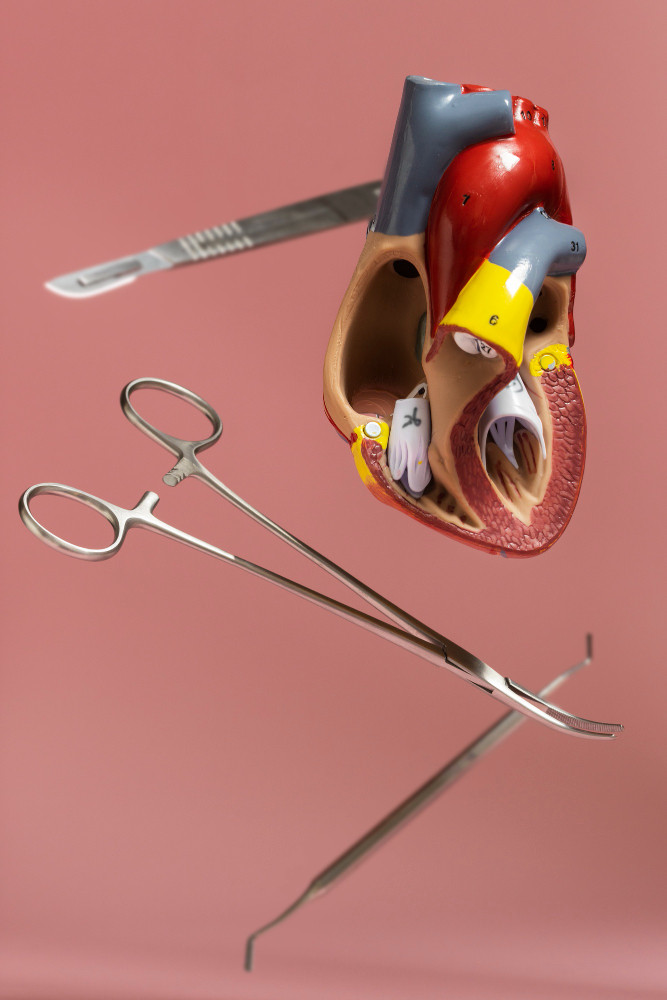
This breakthrough opens doors for more advances. If more hospitals use on-table revival or preservation, the wait lists could shrink. For families, it means less worry about losing a child while waiting.
The Duke baby is now doing well, growing like any other child. Stories like this show how science can turn despair into joy. As more cases happen, doctors will learn even better ways to help.
Experts hope to see this become common practice. It could change how we think about death and donation. In the end, it’s about giving every child a chance at a full life.
You might also want to read: Japanese Researchers Found a Way to Erase Traumatic Memories Without Damaging the Brain