Elon Musk Fires Back at Pope Leo with Biblical Verse
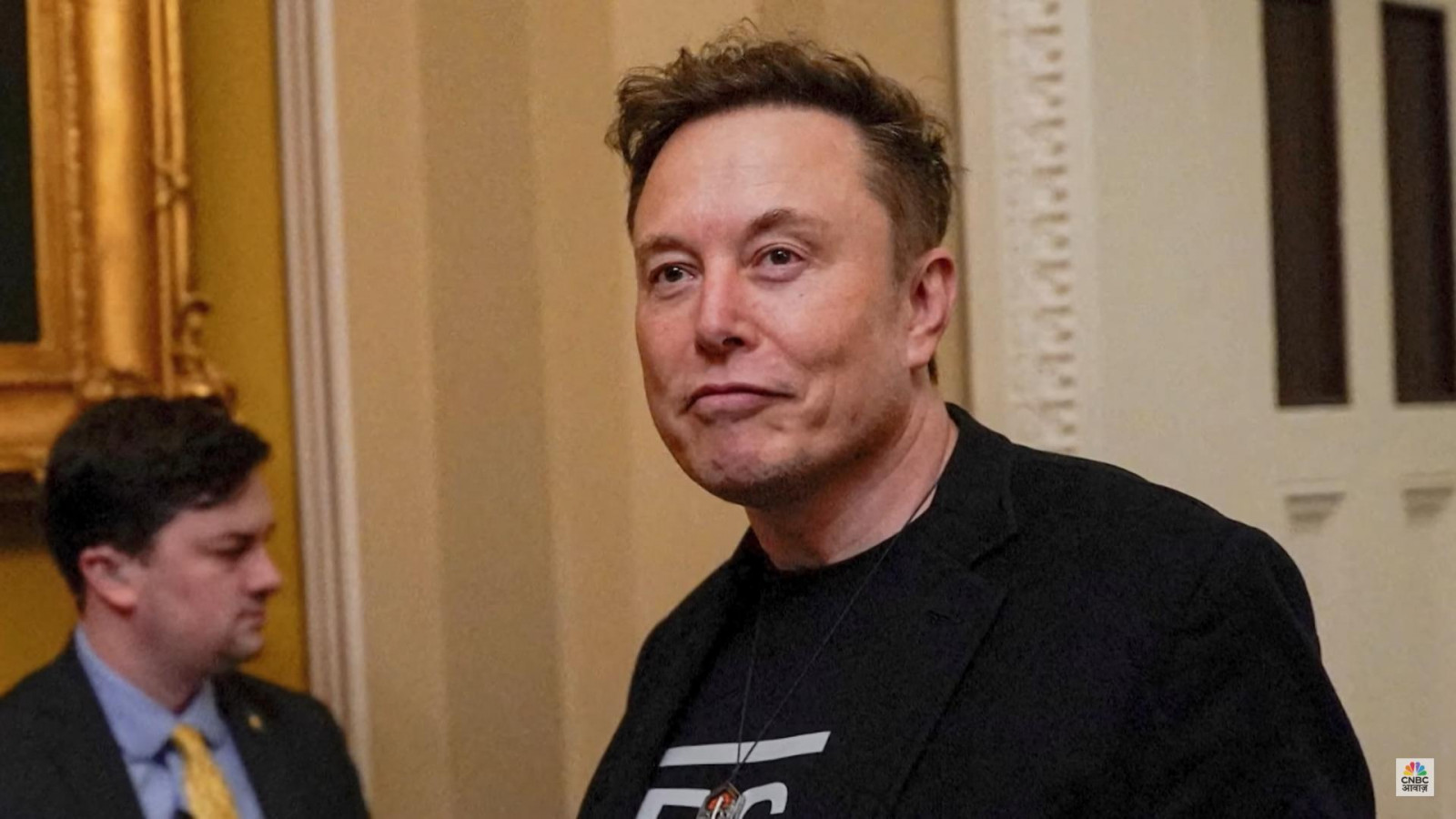
© CNBC Awaaz / Youtube
Pope Leo XIV, the first U.S.-born pope, has raised concern over a proposed compensation package for Elon Musk by Tesla that could make Musk the world’s first trillionaire. In his first major media interview, Pope Leo criticized the stark gap between CEO pay and the wages of working-class employees.
He pointed out that 60 years ago, top executives might earn four to six times what rank-and-file workers made; today, some CEOs earn “600 times” more. The Pope asked what it means for society if accumulating extreme wealth becomes its own primary value. He warned that if wealth is valorized above all else, “we’re in big trouble.”
Elon Musk’s Response
Tesla’s board has floated a pay deal that would require Musk to hit very ambitious targets over the coming decade—including raising Tesla’s valuation to something like $8.5 trillion—before much of that compensation would vest. The package involves up to 423.7 million additional shares being awarded if the performance metrics are met.
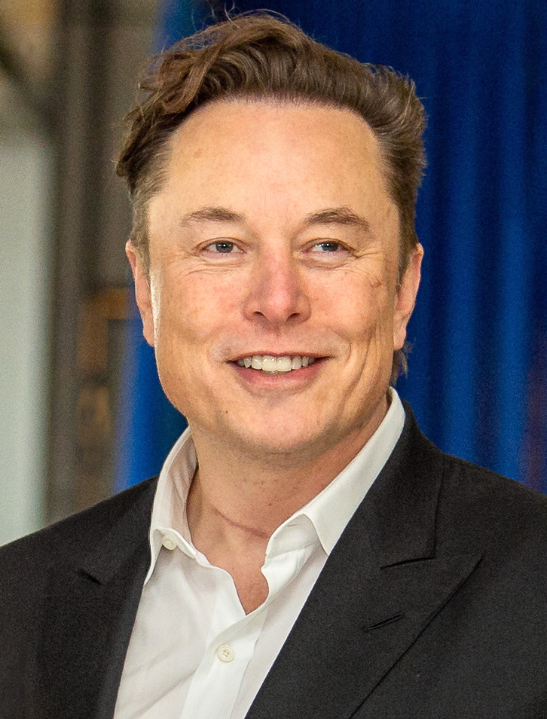
After the Pope’s comments went public, Musk responded by quoting a passage from the Bible: “Why do you see the speck in your neighbor’s eye, but do not notice the log in your own eye?” (Matthew 7:3-5). This is seen as a retort implying that critics—including Pope Leo—should examine their own wealth or institutional issues before calling out others.
Musk also shared posts highlighting the wealth of the Vatican and raising questions about how much value is placed on extreme wealth in religious institutions themselves. Some commentary referenced the Vatican’s land holdings, endowments, and tax-exempt status as part of a broader critique.
Reaction & Debate
Public and media reaction has been divided:
- Fans and supporters of Musk argue that Pope Leo’s critique unfairly singles out one individual while ignoring broader systemic inequalities, including issues within religious institutions and governments. They see Musk’s response as pointing out that no institution is above criticism.
- Critics, including those concerned with income inequality, see the proposed pay deal as emblematic of a skewed system where massive rewards are possible only for those already at the top, while many workers struggle with stagnant wages. Pope Leo’s remarks have been praised by figures who believe the wealth gap is a moral and social crisis.
- Some commentators raised ethical questions: Is it reasonable for society to allow such massive compensation based on speculative performance? What observability and fairness should regulators or boards demand when tying compensation to long-term and ambitious targets?
Why It Matters
- Wage inequality & norms: The exchange sharpens debate about what level of executive pay is socially acceptable, and what role morality and public institutions play in shaping that norm.
- Religious authority in public economic debates: Pope Leo’s foray into corporate compensation is unusual in recent times, especially given his American background and the global attention on Tesla.
- Corporate governance & performance targets: Tesla’s proposed package reflects a trend of massive stock-based compensation tied to aggressive growth goals—whether those are met is uncertain, and the risk is high.
- Public perception & messaging: Musk’s use of scripture—and in particular a verse about criticizing others while ignoring one’s own faults—raises the stakes. It turns this into not just a financial or business debate, but a moral and symbolic one.
You might also want to read: Tesla Just Offered Elon Musk $1,000,000,000,000. But, Why?