Europe Holds Crisis Talks After Trump Threatens Tariffs
© Public Domain
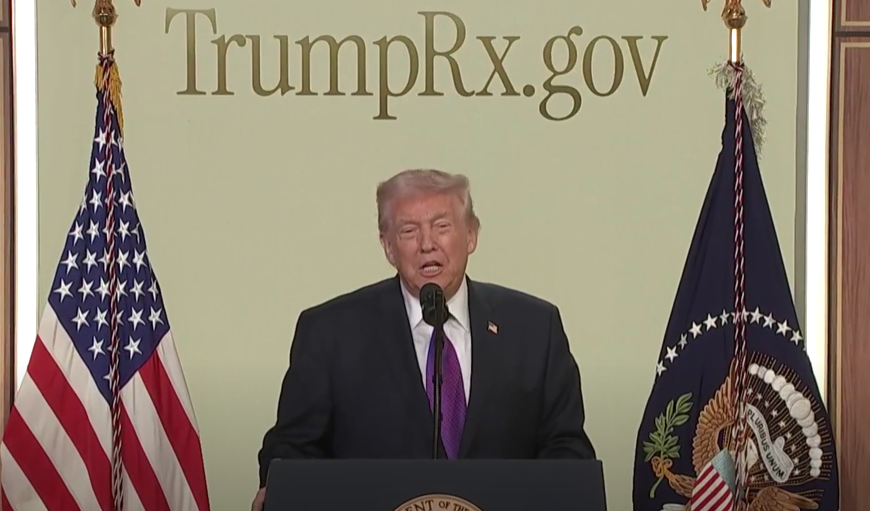
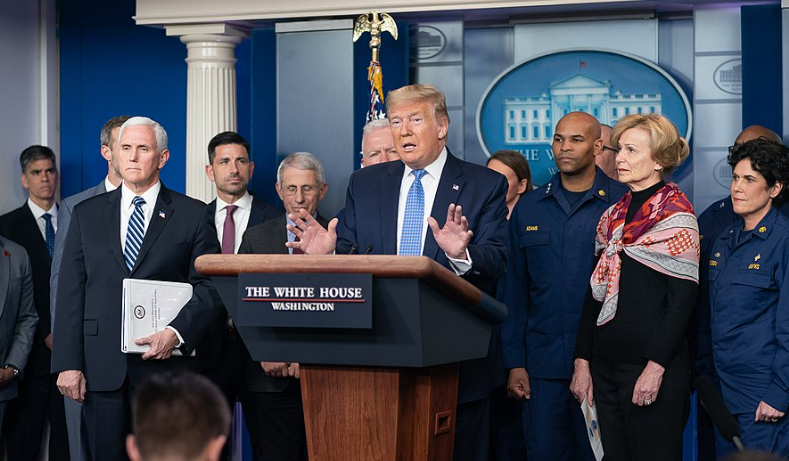
Senior diplomats from European Union member states and allied nations held emergency crisis talks following President Donald Trump’s announcement of punitive tariffs against countries that oppose his controversial bid to extend U.S. influence over Greenland. Trump’s tariff threat has triggered alarm among European capitals, igniting one of the sharpest disputes between the U.S. and its closest allies in years.
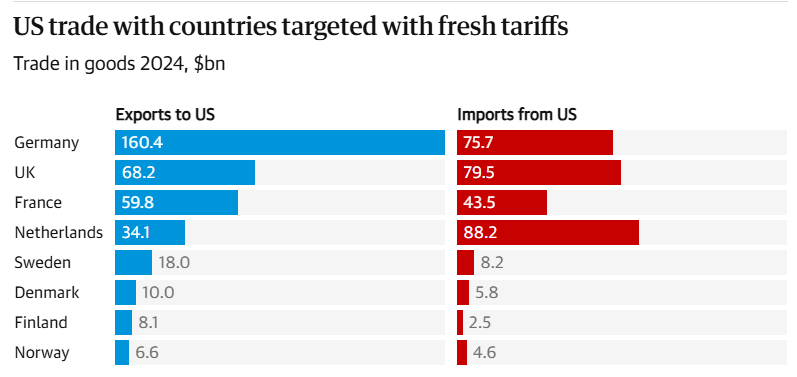
The European Council’s envoys met urgently on January 18, 2026, in response to Trump’s plan to impose a 10 % tariff on imports from eight countries — Denmark, Norway, Sweden, France, Germany, the Netherlands, Finland and the United Kingdom — starting February 1, increasing to 25 % in June unless a deal is reached over the future status of Greenland.
‘Blackmail’ and European Unity in Solidarity With Denmark
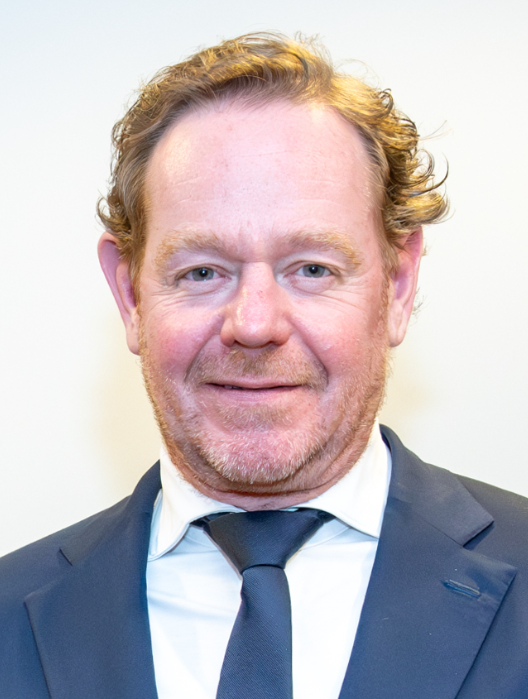
European leaders blasted the tariff threat as tantamount to economic blackmail. Italian Prime Minister Giorgia Meloni, traditionally a political ally of Trump, labeled the threat a “mistake,” while Dutch Foreign Minister David van Weel said his nation would consult with EU partners on a coordinated response.
In a joint statement, Denmark, Finland, France, Germany, the Netherlands, Norway, Sweden, and the UK reaffirmed their support for the sovereignty of Denmark and Greenland, stressing that military deployments to Greenland — which Trump has criticized — were aimed at boosting Arctic security, not targeting the U.S. The governments declared that tariff threats “undermine transatlantic relations and risk a dangerous downward spiral.”
European Commission President Ursula von der Leyen and European Council President António Costa echoed this sentiment, stressing full solidarity with Denmark and the people of Greenland and pledging that Europe would remain united and “committed to upholding its sovereignty.”
Emergency Talks and Potential Retaliatory Tools
The EU’s emergency diplomatic meeting also discussed possible economic counter-measures should Trump follow through with his tariff vows. One powerful tool under consideration is the EU’s Anti-Coercion Instrument (ACI) — a mechanism often referred to as the trade “bazooka” — which allows the bloc to impose punitive measures on countries engaging in coercive economic policy. French President Emmanuel Macron urged leaders to consider activating it if tariffs are imposed.
Another possible response is reviving €93 billion in previously suspended retaliatory tariffs targeting U.S. goods and services, or even restricting market access for American companies operating in the EU, as discussed by European officials preparing leverage ahead of meetings with Trump.
However, diplomats told Reuters that the EU is cautious about immediate escalation and prefers to pursue diplomacy first, holding off on activating full retaliatory measures while continuing negotiations with Washington.
NATO and Transatlantic Relations at Stake
The dispute has highlighted deep concerns among European leaders about the future of the transatlantic alliance. Many officials argue that threats to tariff key allies stretch the NATO partnership and risk emboldening global rivals such as Russia and China, which could benefit from Western division.
European leaders also cautioned that deploying economic coercion against NATO partners over a territorial matter involving Greenland’s sovereignty — which Denmark has repeatedly reaffirmed is not for sale — jeopardizes trust and cooperation on broader security issues, including the ongoing war in Ukraine.
Public and Political Reactions Across Europe
Public demonstrations against Trump’s stance have erupted in major cities, including Copenhagen and Nuuk, where protestors carried signs declaring “Greenland is not for sale.” Leaders across the political spectrum have expressed concern that U.S. tactics could weaken long-standing alliances.
In the UK, Prime Minister Keir Starmer said tariffs on allies are “completely wrong” and promised to pursue the issue directly with the U.S. government, underlining both parliamentary and public unease over Trump’s approach.
What’s Next in the Transatlantic Dispute
European leaders have signaled their intent to remain open to dialogue with Washington but warned that any punitive trade measures would be met with firm and coordinated resistance. The EU is expected to hold further summit discussions this week to debate a response strategy that balances protecting alliance unity with safeguarding European sovereignty and economic interests.
With tariffs scheduled to begin soon and diplomatic tensions rising, the Greenland dispute could become a defining test of U.S.–European relations in 2026 — with implications for trade, security cooperation, and the future of NATO unity.
You might also want to read: Vance Tells Europe to “Take Trump Seriously” on Greenland