Father-and-Son Duo Behind Deadly Shooting at Bondi Beach
© CC BY 4.0
Australia’s chilling Bondi Beach mass shooting — a terror attack that left at least 15 people dead and dozens wounded during a Jewish Hanukkah celebration — has taken a new turn as authorities publicly identified the alleged gunmen as a father and his adult son, both of whom used legally held firearms in the attack.
The incident on 14 December 2025 has triggered national outrage, plans for tougher gun regulations, and deep introspection about security and extremism in Australia.
The Suspects Behind the Bondi Beach Attack
New South Wales Police and federal officials have named the two alleged shooters as:
- Sajid Akram (50): A licensed firearms holder who legally owned at least six registered guns, including long arms, thought to have been used in the attack. He was shot and killed by police at the scene.
- Naveed Akram (24): His son, who remains in critical condition in the hospital under police guard after being wounded by law enforcement.
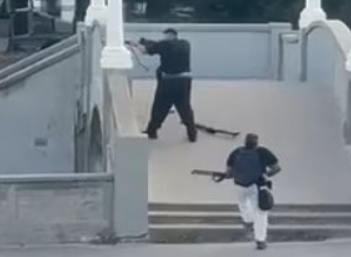
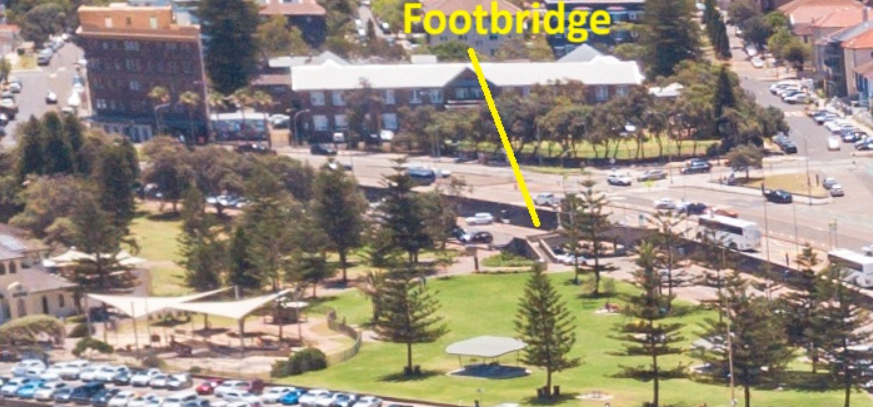
Both are suspected of opening fire on crowds gathered at a playground area near Bondi Beach during a “Chanukah by the Sea” festival. Emergency responses unfolded rapidly after the first shots shortly before 6.47 p.m. local time.
Authorities say all six firearms registered to Sajid Akram have been recovered, along with evidence at the suspects’ properties, while investigations continue into how legally held guns were used in what is being treated as a terrorist attack.
A Violent Target — Antisemitic Context and Death Toll at Bondi Beach
Police and political leaders have described the attack as antisemitic terror, given it was directed at a Jewish community event on the first night of Hanukkah — one of the most significant holidays in the Jewish calendar.
At least 16 people have died (including one of the gunmen), and more than 40 people have been injured, according to multiple sources; victims’ ages ranged from children to the elderly. The toll has continued to rise as more details emerge.
Political leaders — including Prime Minister Anthony Albanese — have condemned the violence as an “evil act” of terrorism rooted in hatred, placing political pressure on law enforcement and parliament to respond.
Background on the Alleged Shooters
Police statements and media reporting indicate that the younger suspect, Naveed, had previously been examined by Australia’s domestic security agency (ASIO) in 2019 over supposed connections to extremist circles, but no imminent threat had been identified at the time.
Former colleagues described Naveed as quiet and socially isolated; meanwhile, Sajid’s firearms licence had been in effect for years, allowing him to legally possess the weapons found at the scene. Authorities are exploring whether licensing or monitoring failures contributed to the attack.
Heroism and Response on the Ground
Amid the violence, some bystanders acted with extraordinary courage. One civilian — widely identified in international reporting — tackled and disarmed one of the shooters, an intervention that may have saved many lives despite the man being wounded in the process.
Emergency services worked through the night, treating the wounded and ensuring the scene was secure, while local leaders and communities held vigils for the victims.
Political Fallout — Gun Laws and Security Reviews
The attack has already prompted calls from senior government figures for tougher gun laws and security measures. Both state and federal leaders have signalled that Australia’s existing firearm licensing rules may be tightened, including reviews of how licences are granted and monitored, especially where potential radicalisation or extremist ties may be involved.
New South Wales’ Premier has also vowed to bring forward reforms aimed at reducing the risk of legally held weapons being misused in acts of terror.
Why This Matters
The Bondi Beach attack has deeply shaken Australia — a country with some of the strictest gun laws in the world — underscoring that legal ownership does not preclude misuse and that rising antisemitism and extremism remain global challenges. The national conversation now focuses not only on grief and remembrance but also on policy change, community safety, and preventing future violence.
You might also want to read: Mass Shooting at Bondi Beach During Hanukkah Shocks Australia