Flesh-Eating Bacteria Claims Eight Lives Amid Growing Health Concerns
© Elsevier
This summer, a dangerous bacteria called Vibrio vulnificus has raised alarms along the Gulf Coast, causing severe infections and even deaths.
Health officials are warning people to stay cautious as cases of this so-called “flesh-eating bacteria” are on the rise.
Here’s what you need to know to stay safe.
What Is Flesh-Eating Bacteria?
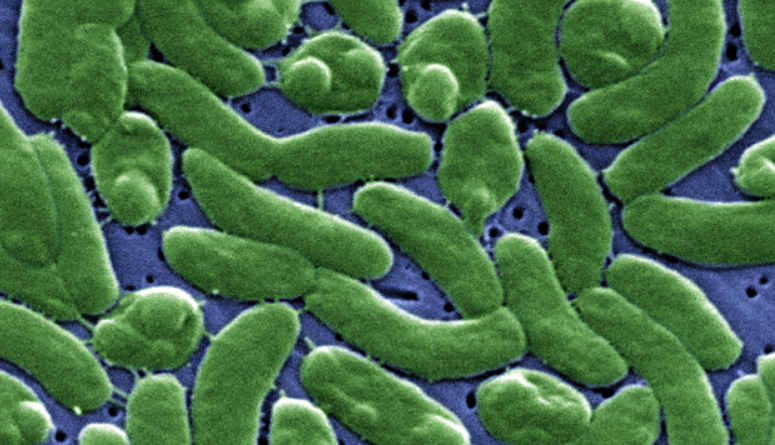
Vibrio vulnificus is a type of bacteria that lives in warm, salty, or brackish water, where rivers meet the sea. It thrives in the summer months when water temperatures are higher, typically between May and October.
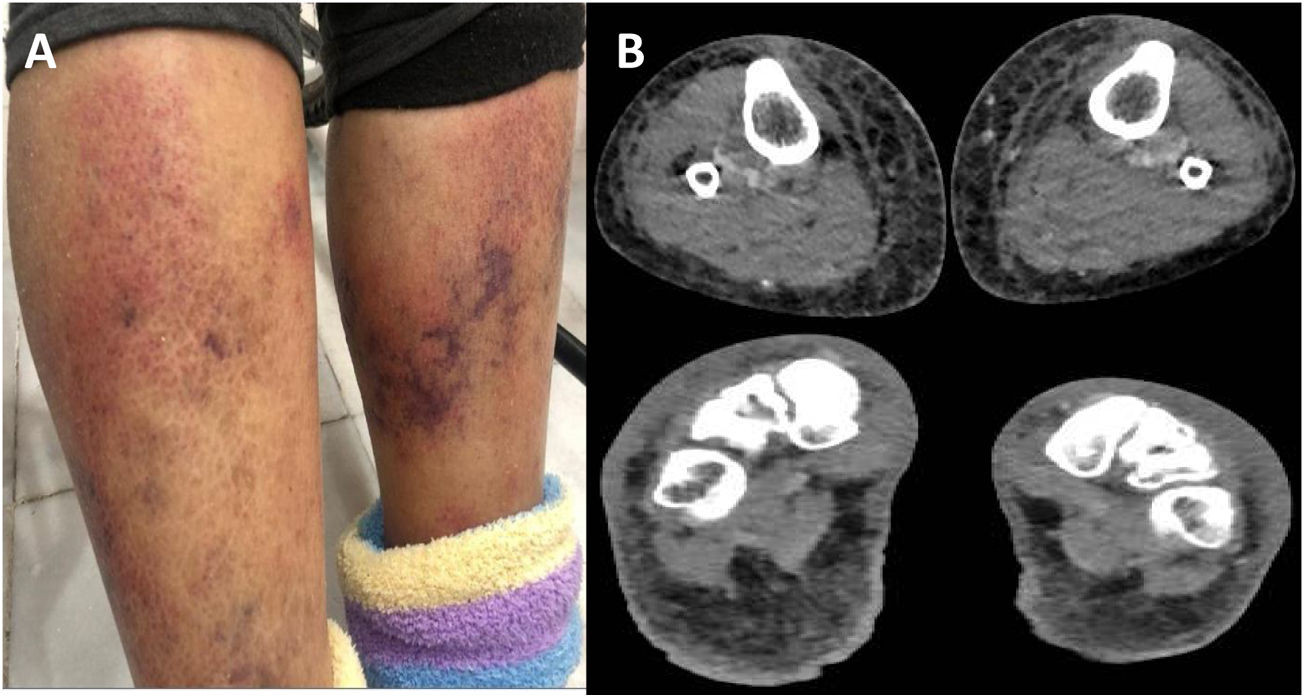
You can get infected in two main ways: by eating raw or undercooked shellfish, like oysters, or by exposing an open wound, such as a cut or scrape, to contaminated water. While the bacteria is rare, it can cause serious infections, including necrotizing fasciitis, a condition where the skin and tissue around a wound die.
This can lead to severe illness, hospitalization, and, in some cases, death. About one in five people infected with Vibrio vulnificus do not survive, sometimes passing away within just one or two days.
Rising Cases and Health Warnings
This year, the Gulf Coast has seen a troubling increase in Vibrio vulnificus cases. In Louisiana, 17 people have been infected, with four deaths reported, compared to an average of seven cases and one death per year over the past decade.
Florida has recorded 13 cases and four deaths, while single cases have been reported in Mississippi and Alabama. Health officials link this spike to warmer water temperatures and extreme weather events like hurricanes, which can spread the bacteria through flooding.
People with weakened immune systems, such as those with diabetes, liver disease, or kidney issues, are at higher risk for severe infections. Doctors urge anyone with symptoms like redness, swelling, fever, or blisters around a wound to seek medical help immediately, as quick treatment with antibiotics can be life-saving.
How to Protect Yourself
Staying safe from Vibrio vulnificus is possible with a few simple precautions. Avoid swimming in warm coastal waters if you have open cuts, scrapes, or recent tattoos or piercings. If you do go in the water, cover wounds with waterproof bandages and wash them thoroughly with soap and clean water afterward.
When it comes to seafood, cook shellfish like oysters, clams, or mussels thoroughly—boil or steam them until the shells open, then cook for a few more minutes. Avoid eating raw or undercooked seafood, and handle it with gloves if you have cuts on your hands.
For those with health conditions, wearing protective footwear at the beach can prevent cuts from rocks or shells. By taking these steps, you can enjoy the beach while reducing your risk.
The rise in flesh-eating bacteria cases is a stark reminder of nature’s hidden dangers. As climate change warms our oceans and fuels stronger storms, these infections may become more common.
Stay informed, take precautions, and seek medical help at the first sign of trouble to keep yourself and your loved ones safe.
You might also want to read: 4 Dead in Florida as Health Officials Warn of Flesh-Eating Bacteria