Foie Gras Is Banned and Lunch Is Skipped: The Foods King Charles Avoids

King Charles, pictured as Prince of Wales during a visit to New Zealand. Mark Tantrum / Wikimedia Commons, CC BY 4.0 (cropped)
Royal food stories are full of rumoured bans. Only a few hold up, and King Charles has confirmed some of his habits himself.
The clearest first-hand account is Charles’s 2021 BBC interview, reported by ITV News, about his weekly meat, fish and dairy choices. A Royal Family list published in 2018 also records his lunch routine, while a household decision reported in 2022 covers foie gras.
Here are six foods and food rules, from formal household policy to the King’s own routine.
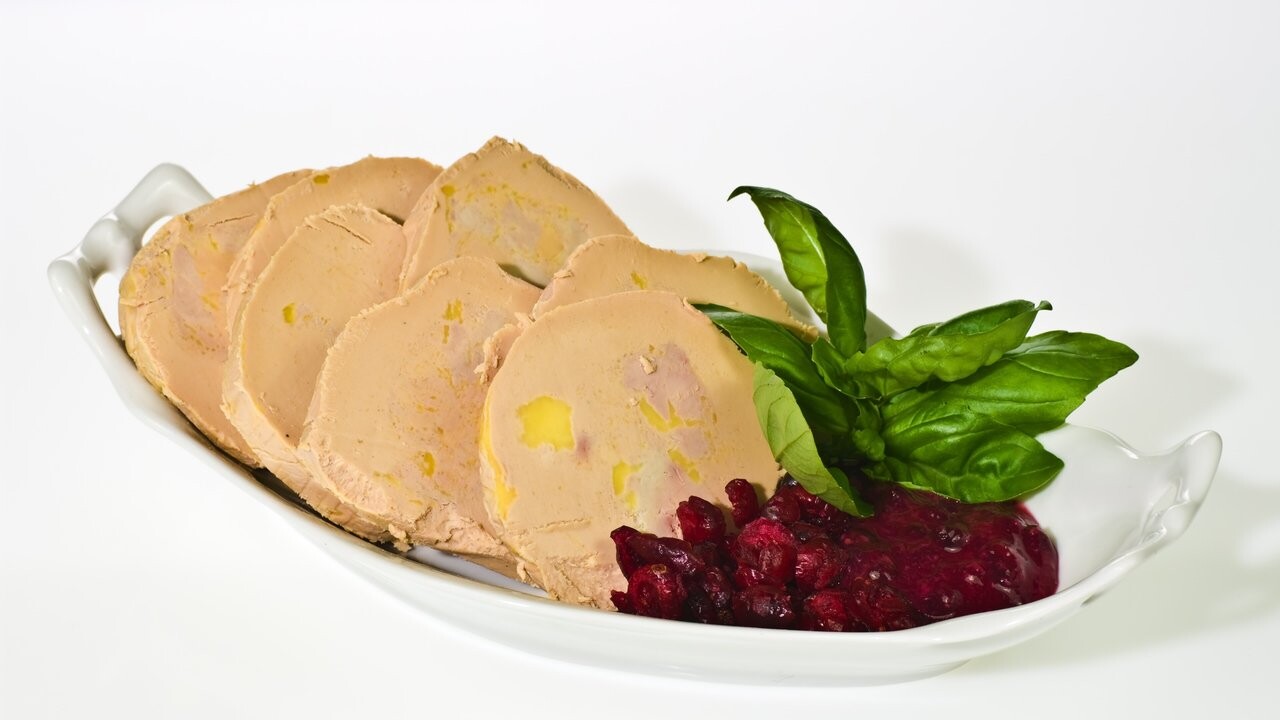
Foie Gras
The clearest formal exclusion is foie gras. On 18 November 2022, The Standard reported that Buckingham Palace had confirmed a ban across all royal residences. PETA said it had received confirmation that the policy included Buckingham Palace and every other royal residence.
It is a Royal Household serving policy, not just a passing preference.
Shellfish on Tour
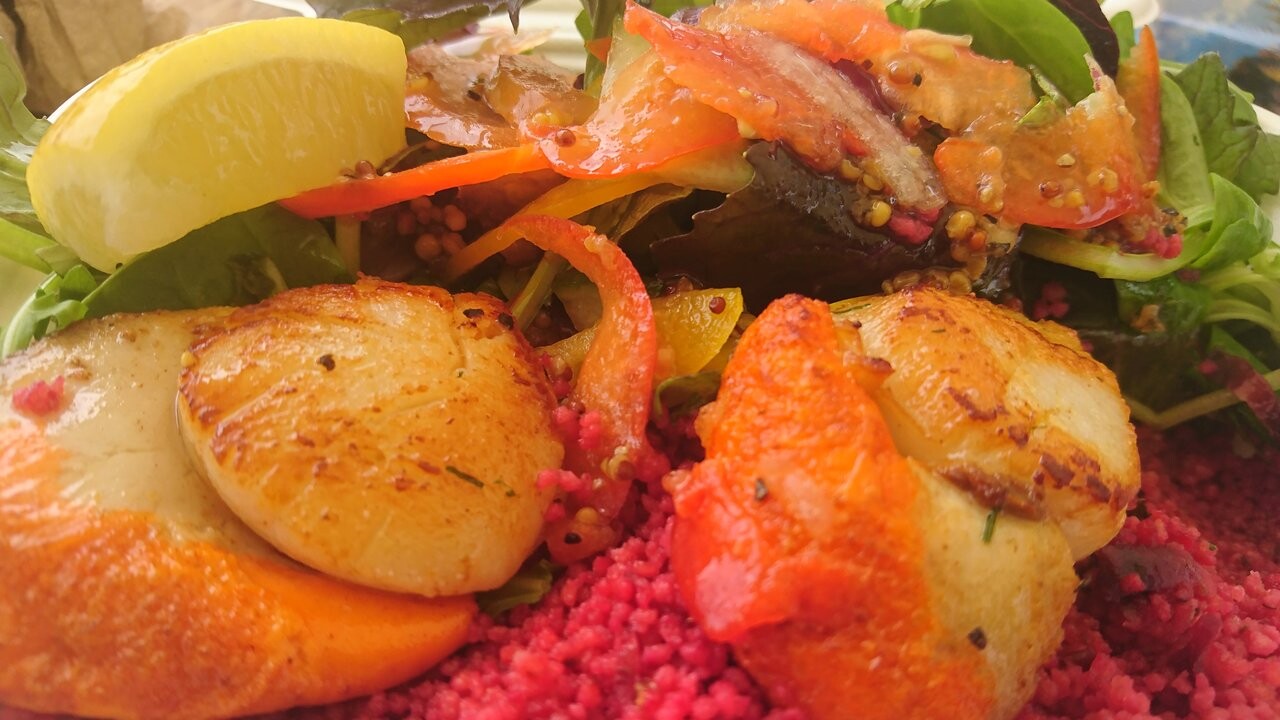
Shellfish sits in greyer territory. The Independent described a royal custom of avoiding it while abroad or dining out. It is a custom, not a confirmed personal ban for Charles.
Former palace chef Darren McGrady told Marie Claire that Queen Elizabeth II was served scallops and shrimp while travelling, so the custom has never been an absolute rule.
Lunch
An official Royal Family list published in 2018 stated that the then Prince of Wales did not eat lunch. Unlike many colourful accounts of royal mealtimes, this information came from the Palace’s own website.
The list gave no reason, and it described his routine at the time rather than a rule for anyone else at the table.
Meat, Fish and Dairy on Certain Days
In his 2021 BBC interview, Charles said that he went without meat and fish on two days each week, and without dairy products on one day.
He made the comments in a discussion about the environment, not as an announcement that he had become vegetarian. They describe a weekly routine, not a rule for the Royal Household.
Leftovers
Throwing good food away is the real taboo. The Royal Family website says the Coronation Food Project was inspired by the King’s work in this area and seeks to connect food waste with food need across all four nations of the United Kingdom.
At home, the same thinking applies. Food writer Tom Parker Bowles told The Independent that leftovers from a royal dinner “will be made into something else or appear the next day.”
Organic Food
In a message published by the Royal Family, Charles traced his commitment to organic food and farming to his work at Highgrove. The Guardian also reported that he established Duchy Originals to promote organic food and farming.
Organic farming has shaped his approach to food for decades. It is a guiding principle, though, not a strict ban on everything else.
The real list is shorter than the rumours: one household ban, one travel custom and a set of personal habits shaped by the King’s views on farming and the environment.
Sources:
- The Standard: Foie gras banned in all royal residences, letter from King Charles’s household confirms
- PETA UK: Faux Gras En Route to Buckingham Palace After Royal Household Confirms Foie Gras–Free Policy
- The Independent: Prince William reveals he likes sushi, despite famous royal rule on shellfish
- Marie Claire: Former Royal Chef Says Queen Elizabeth Would Have Thrown the Menu Book If He’d Suggested One Food
- The Royal Family: 70 facts about HRH The Prince of Wales
- ITV News: Eat less meat and dairy to help the planet, urges Prince Charles
- The Royal Family: The Coronation Food Project
- The Independent: Tom Parker Bowles on how the royals eat
- The Royal Family: A message to the Food and Drink Federation’s Organic Liaison Group
- The Guardian: Waitrose in deal with Prince Charles’s Duchy Originals food company