French Cinema Icon Brigitte Bardot Dies at 91

Public Domain
Brigitte Bardot — often known simply as “BB” — has died at the age of 91, her foundation announced on December 28, 2025. Bardot was a defining figure of French cinema in the 1950s and 1960s, starring in films that made her an international icon of beauty, freedom, and cinema.
Born in Paris in 1934, Bardot began her career as a ballet student and model before breaking into acting as a teenager. Her rise to fame came with the 1956 film And God Created Woman, directed by her then-husband Roger Vadim, which propelled her to global attention and cemented her status as a symbol of sexual liberation and French cultural influence.
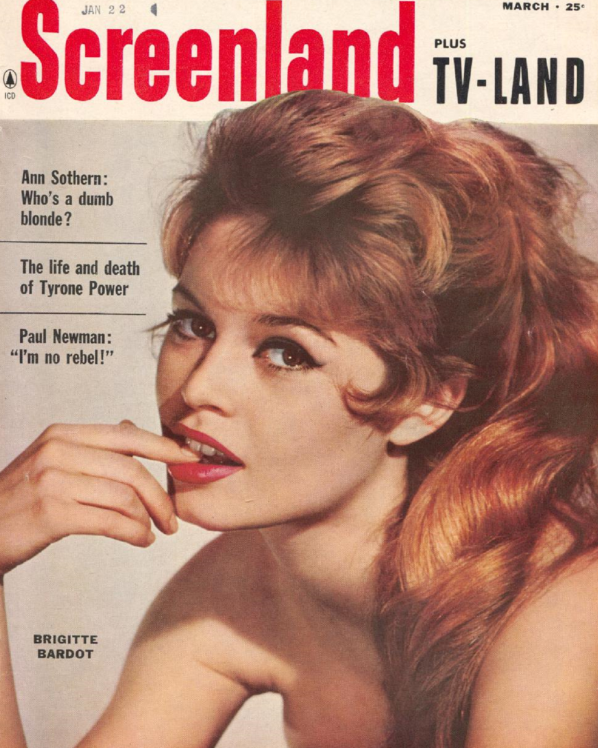
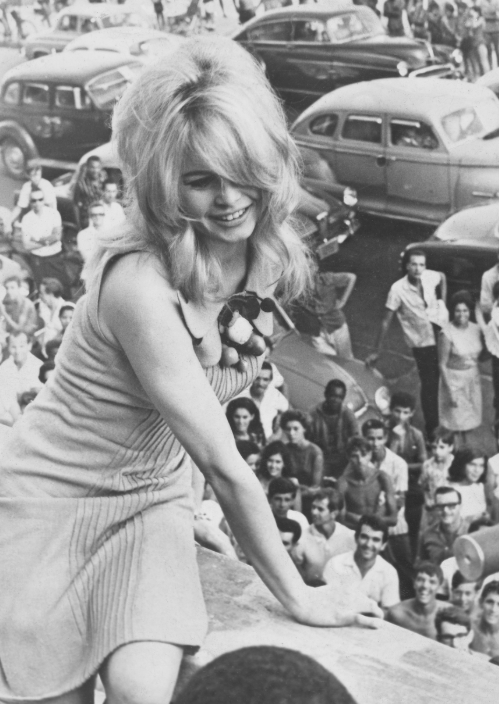
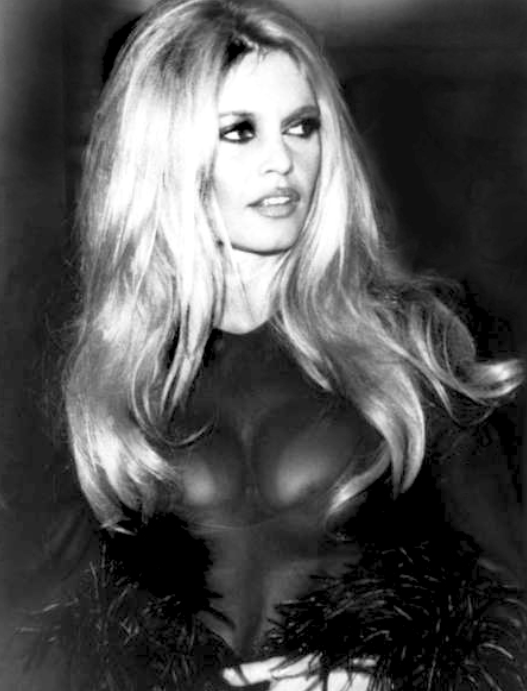
Over the next two decades, Bardot appeared in dozens of films, including Contempt (Le Mépris) with director Jean-Luc Godard and other notable works of the French New Wave, helping shape the landscape of international cinema. Her look — tousled blonde hair, smoky eyeliner, and effortless style — also made her a major influence on fashion and beauty in the post-war era.
Life After Acting
In 1973, Bardot retired from acting at the age of 39 at the height of her fame. She made the rare decision to leave the film world to pursue causes she cared about most, especially animal welfare. In 1986, she founded the Brigitte Bardot Foundation, which has worked for decades to protect wild and domestic animals and campaign against cruelty, including seal hunts, factory farming, and other issues. Bardot remained active in the cause well into her later years.
Her last public sightings had been rare in recent years, although she continued to support the foundation’s work and advocate for animal rights until the end of her life. French news outlets reported she had been hospitalised in October 2025 for surgery related to a serious health issue before returning home to recover, and she later died following a sudden illness at her home in southern France.
A Complex and Controversial Figure
Bardot’s legacy extends beyond film and animal rights. She was a cultural lightning rod, admired by many for her beauty, talent, and influence, but criticised by others for her outspoken political views later in life. In the 1990s and 2000s, she was convicted multiple times in French courts for statements deemed inciting racial hatred, particularly regarding immigration and other social issues. These convictions and her controversial comments on topics such as Islam, homosexuality, and the #MeToo movement complicated her public image, even as she retained a devoted following.
Despite the controversies, Bardot remained a towering figure in cinema history — credited with helping popularise the modern image of the liberated woman on screen and influencing generations of actresses, filmmakers, and fashion icons. Bardot’s influence on popular culture and her role in shaping 20th-century film are widely acknowledged by critics and audiences alike.
Tributes and Legacy
Tributes flowed in after news of her death. French President Emmanuel Macron said France was mourning “a legend of the century,” praising her films, her voice, and her passionate commitment to animals. Bardot’s foundation described her as a world-renowned actress who chose to dedicate her life and energy to animal welfare.
Across social media and news outlets worldwide, fans and public figures remembered Bardot as a trailblazer of cinema whose work and image helped define an era. Her death marks the end of a remarkable life that bridged art, activism, and cultural change.
You might also want to read: Epstein’s ‘First Known Victim’ Says She Met Him at Age 13