Funko Sounds the Alarm: $241 M Debt & Possible Bankruptcy

© CC BY-SA 4.0
Funko, the company behind the collectible vinyl figures that dominated shelves for the better part of the last decade, revealed in its latest earnings report that it’s carrying approximately $241 million in debt and facing “substantial doubt” about its ability to continue as a going concern through the next twelve months.
This isn’t just a routine financial hiccup — Funko is clearly signalling deep trouble rather than minor turbulence.
What’s Behind the Decline?
Multiple factors are dragging Funko down. The company once posted more than $8 million in profit just a year ago, but recently it reported a loss (albeit relatively modest), which raised alarms among investors.
Analysts point to several issues:
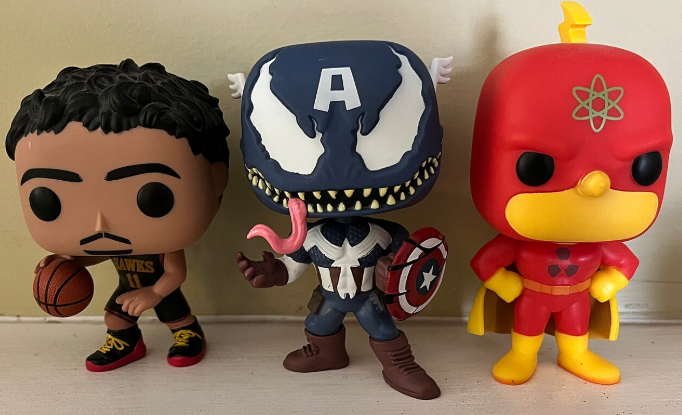
- Oversaturated market: Funko produced massive numbers of Pop figures across countless licenses, leading to inventory that isn’t moving.
- Licensing fatigue: With so many IPs and pop-culture tie-ins, the brand may have exhausted some of its novelty.
- Tariffs and manufacturing pressures: Earlier trade-war tariffs hit toys manufactured overseas, putting pressure on cost structures.
- Strategic pivots that feel risky: Funko’s “Bitty” line (smaller, cheaper figures) is being touted as a saviour. But when a company in distress falls back on “make things smaller and sell mystery boxes,” many take notice.
The Funko Bitty Strategy: Innovation or Desperation?
One of Funko’s newest moves is the Bitty line — micro-versions of Pop figures, and the company plans to sell them via novelty retail experiences like vending machines or loot-box formats. The idea: capture younger collectors, impulse buyers, and the injection of novelty.
But critics say this could be a symptom of desperation. When a brand shifts away from its core product into “smaller” and “cheaper” formats, it may signal that the premium-collectible model isn’t working anymore.
Why It Matters for Collectors and the Culture
For collectors, this is more than financial news — it signals potentially big changes in what they collect, how they invest, and how they perceive the value of their pieces. If Funko falters or restructures, rare pieces might hold value differently, and the secondary market could shift.

For the broader pop-culture world, Funko’s crisis raises questions about how long licensing-driven merch houses can ride on hype. When every character, franchise, and moment becomes a figure, the novelty dissolves. Funko may have helped redefine collectible culture — but the culture around collectibles may also be redefining them in return.
The Road Ahead for Funko
Funko’s leadership acknowledges the urgency. New CEO Josh Simon (formerly at Netflix) emphasised leveraging the brand’s legacy and moving into “transformative growth” mode.
Still, the next twelve months are crucial. Will Funko secure refinancing, clear excess inventory, and stabilise its business? Or will the company face bankruptcy or restructuring? Either scenario will reshape how fans, licensees, and retailers engage with the brand.
You might also want to read: Pop Mart Is Worth More Than Mattel, Hasbro & Sanrio Combined