High-Speed Train Derails in Spain, Kills Over 35 People
© Vox
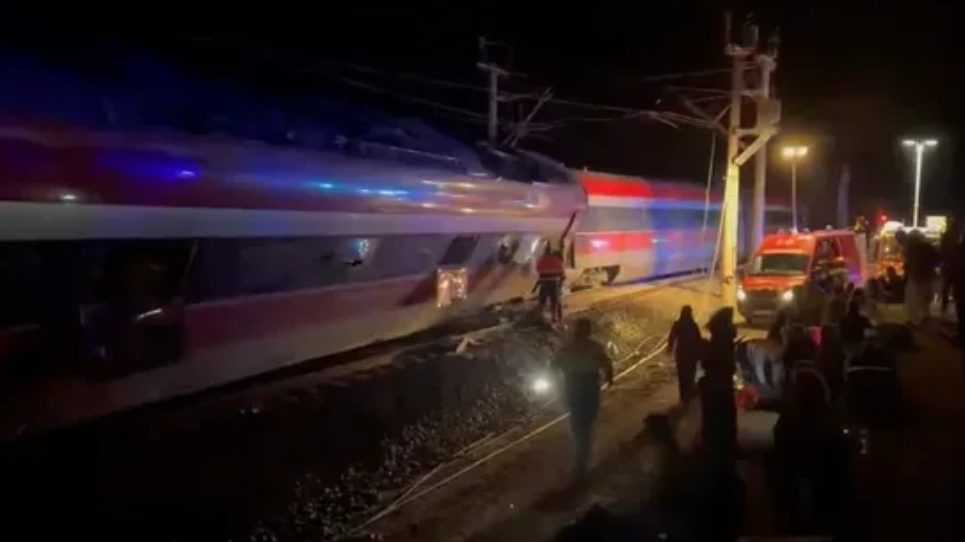
A catastrophic railway accident in southern Spain has claimed dozens of lives and left hundreds injured after a high-speed train derailed and collided with another passenger train on the evening of January 18, 2026, near Adamuz in the province of Córdoba.
The incident occurred around 7:45 p.m. local time on the Madrid–Seville high-speed line, when the rear of an Iryo-operated train travelling from Málaga to Madrid left the tracks and crossed onto the adjacent line. That train then slammed into a Renfe Alvia service coming from Madrid to Huelva, causing both trains to derail amid a violent impact.
Death Toll and Injuries
Early official figures confirmed at least 39 fatalities in the crash — with several injured in critical condition — making it one of the deadliest railway disasters in Spain in years. Around 245 people were reported injured, including many with serious wounds; dozens were hospitalized in nearby medical centers.
Andalusia’s regional president and other officials joined national leaders in expressing profound sorrow for the loss of life and extending condolences to the families of the victims. A reception center was established in Adamuz to support passengers and those awaiting news of loved ones.
What Happened on the Tracks
According to transport authorities, the Iryo train’s tail end derailed while travelling through a straight and recently renovated section of track — a circumstance local politicians described as “really strange.” Once off the rails, it veered into the path of the oncoming Renfe train, with the first two carriages of the latter suffering the most severe damage and tumbling down an embankment.
Transport Minister Óscar Puente said that although rescues had recovered survivors, the death toll was expected to rise as emergency crews continued their work early the following morning. He emphasized that the cause of the crash was still unknown and that a formal inquiry could take weeks to complete.
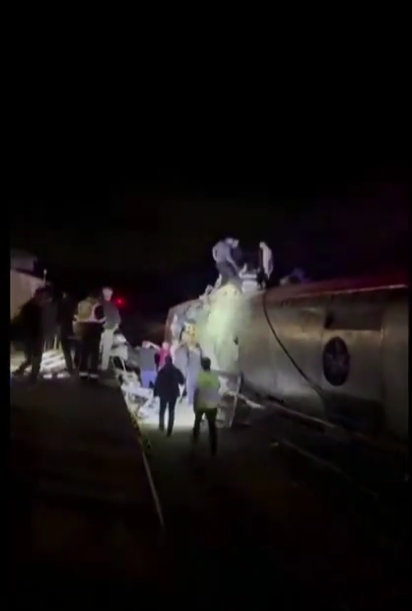
Emergency responders said the wreckage was extensive, with twisted carriages making access difficult and requiring heavy machinery to extract trapped passengers. Local residents also joined in relief efforts, offering blankets, water, and assistance before official support arrived.
Rescue and Response Efforts
National and regional emergency services, including the Red Cross and Spain’s Civil Guard, were deployed to the scene, working to stabilize injured passengers, recover victims, and support families. Military emergency units joined the response, highlighting the scale and severity of the operation.
Rail operator ADIF — responsible for the network infrastructure — confirmed the suspension of train services between Madrid and Andalusia for days as crews assess damage and begin investigations. Iryo issued a statement saying it “deeply lamented” the tragedy and was assisting authorities and affected passengers.
Passenger Accounts
Eyewitnesses described moments of chaos and terror as the collision unfolded. Some passengers said it felt like an “earthquake” when the train derailed, prompting others to use emergency hammers to break windows and escape through damaged carriages.
One journalist aboard one of the trains said the scene was surreal, with passengers crawling from the wreckage under emergency lighting as rescuers rushed to assist through the night.
Investigation and Safety Concerns
With the cause of the derailment still unclear, experts noted the unusualness of a derailment on flat, new track — a factor that could require months of technical analysis. Officials cautioned that any mechanical, infrastructure, or operational cause was possible, but no preliminary conclusions had been drawn.
The collision has renewed scrutiny on railway safety and emergency response capabilities on Spain’s high-speed lines, which are normally regarded as among the safest and most advanced in Europe.
What’s Next
Train services on the affected routes will remain suspended for at least several days, with ADIF and Renfe coordinating repairs and alternative transport for stranded passengers. Investigators from Spain’s transportation and safety agencies will conduct a detailed probe, review maintenance records, black box data, and interview crew members to determine what led to the derailment.
As rescue operations wrap up and recovery transitions to investigation, Spain faces a long period of mourning and accountability efforts aimed at preventing similar tragedies in the future.
You might also want to read: Iran Nationwide Protests Rage On as Death Toll Mounts