History’s Most Inbred Figures: From Pharaohs to Habsburgs—and the Toll on DNA
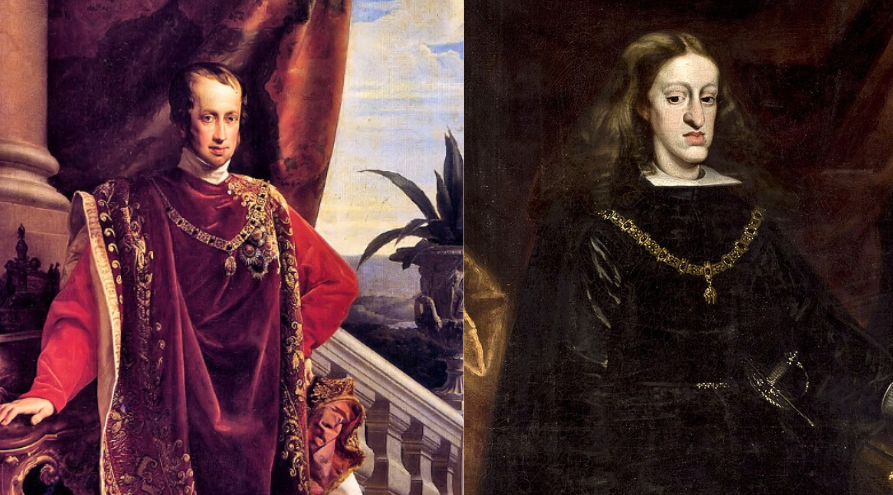
© Public Domain
Arguably the most famous inbred case, King Tutankhamun was the product of a brother–sister union; his parents were likely full siblings.
Genetic analysis reveals this led to a host of health afflictions: a clubfoot requiring a cane, cleft palate, a weakened immune system, skeletal deformities, and repeated malaria infections. He died at just 18 or 19, with his short, frail reign and tragic fate now partly attributed to his inbred lineage.
Charles II of Spain: A Habsburg Tragedy
Charles II’s life was shaped by several generations of intensely inbred marriages within the Habsburg dynasty.
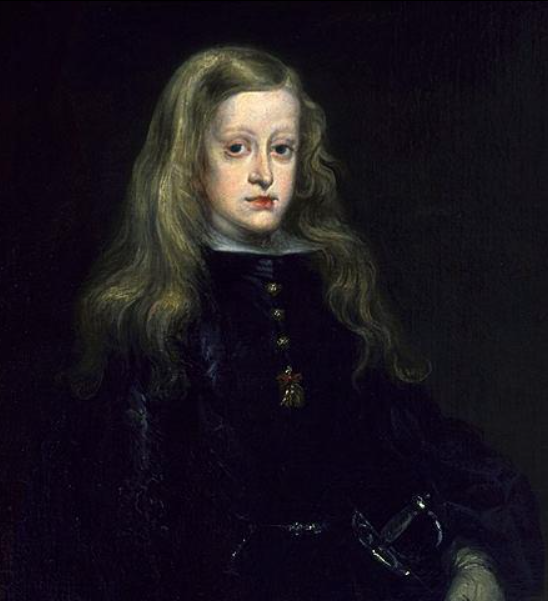
He was born to uncle-and-niece parents, a common practice aimed at preserving bloodlines and power. Yet genetic isolation manifested physically: he was infirm, mentally slow, racked with epilepsy, unable to chew properly due to his pronounced jaw structure, and died without heirs. His tragic death effectively ended one of Europe’s most powerful dynasties.
Amenhotep I and the Silence of Being Inbred
Scientific studies of ancient Egyptian mummies show Pharaoh Amenhotep I, whose parents and grandparents were likely siblings, rated highest on the “incest scale.”
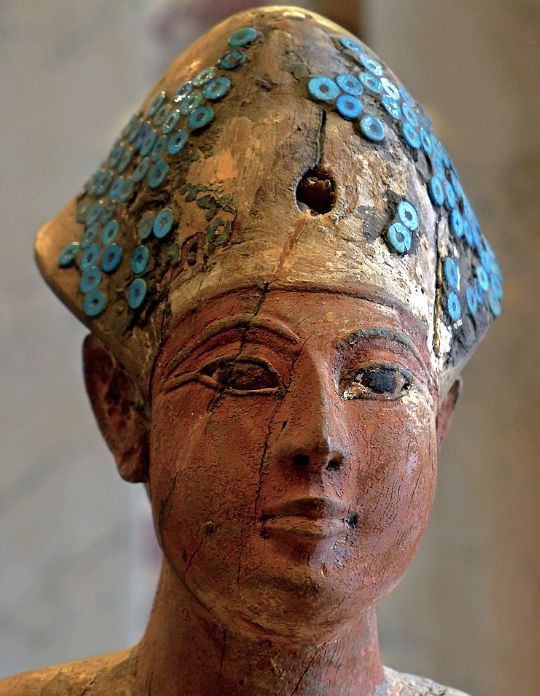
Royal intermarriage was not rare—they believed it maintained royal line purity—and yet it brought catastrophic genetic losses: higher mortality among heirs, vision of early death, and persistent public health decline.
When Inbreeding Beats the Purpose
Among ancient Egyptian rulers, inbreeding was a sacred strategy meant to preserve divine lineage. Cleopatra VII, for instance, famously married two of her brothers—continuing a dynastic tradition.
But the ruthless cycle of inbreeding severely undercut lineage viability, as these rulers often suffered from congenital disabilities, early mortality, and failure to produce living heirs—defeating their intended purpose.
Lessons from the Past and Why Being Inbred Is Avoided
Historically, ruling elites often embraced incestuous unions to protect their power or reinforce lineage.
But biological consequences were steep: mortality rates rose, diseases proliferated, and royal lines collapsed. Modern genetics affirms these stories—what may have been politically motivated once now stands as a strong warning for genetic health.
You might also want to read: Military Couple Indicted After Starving Daughter to Death