Hospital Pleads for Public’s Help Identifying Unconscious 34-Year-Old Man
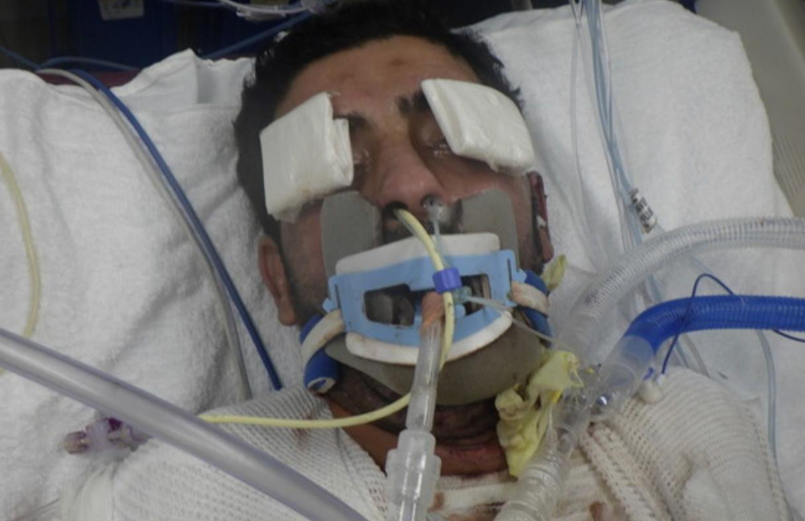
© L.A. County Department of Health Services
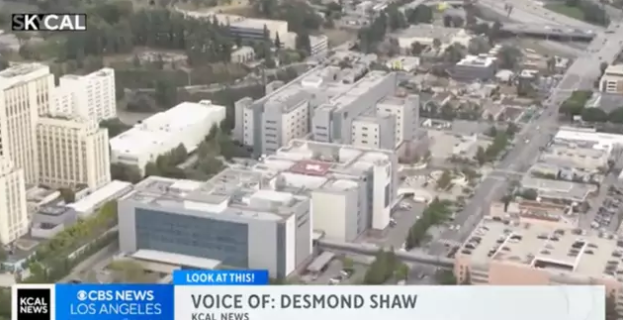
Los Angeles General Medical Center is urgently asking the public for help identifying a 34-year-old man who was admitted back on July 31 after being found unconscious and without any identification near Torrance, California.
He remains in intensive care, intubated and unconscious, with gauze covering his eyes. He stands about 5’7″, weighs roughly 166 pounds, and has dark brown hair and brown eyes. No family or friends have come forward to identify him.
Life-and-Death Stakes
His identity—and anyone who might be able to speak for him—is vital. Without identification, doctors risk delays in medication decisions, thorough medical history review, and consent for treatment.

Hospitals can spend weeks or even months providing care without knowing who they are serving.
The Hospital’s Outreach Strategy
The hospital’s Social Work Department, led by clinical social worker Laura, has reached a point of desperation. They’ve shared his photo publicly, circulating details across local media and social platforms, hoping someone will recognize him.
Staff stress the human cost: “This man could be someone’s son, friend’s family member, or neighbor,” they say—and every minute without recognition matters.
Why Some Patients Remain Unknown
Cases like this, while uncommon, happen more frequently than one might expect—especially at busy trauma centers.
Patients may be homeless, undocumented, or suffering from cognitive decline or trauma. Hospitals are limited in what health information they can legally share, but acknowledging personal details like height, appearance, or approximate age is allowed to encourage identification while respecting privacy.
Legal and Practical Barriers
Even fingerprint tests pose hurdles: unless a patient is under criminal investigation or near death, fingerprints cannot be run through federal databases.
Without ID, non-emergent decisions become complicated. Transferring to specialized care, discharging to rehabilitation, or placing someone with the Public Guardian all become difficult without a confirmed identity.
What You Can Do
If you recognize this man—or know someone who might—please contact L.A. General’s Social Work Department during business hours, or reach out directly to Laura.
Often, identification comes from everyday people: neighbors, acquaintances, friends, or members of his community—people who see a face and realize, “Oh, I know who that is.”
You might also want to read: People Are Freaking Out After Seeing the Inside of a Kangaroo Pouch