Trump’s ‘Big Beautiful Bill’ Hides a Cost That May Greatly Influence Us Tourism
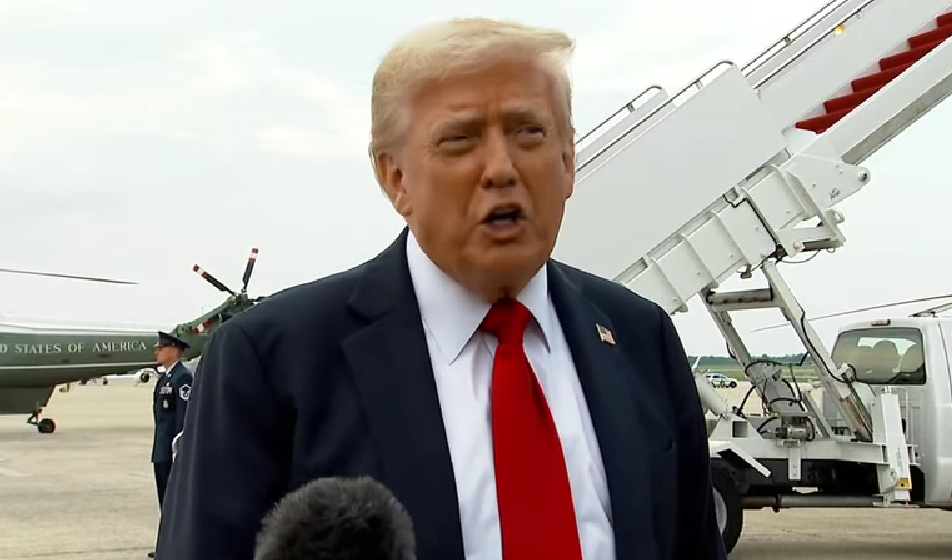
Imagine planning your dream trip to the United States—maybe to see the Grand Canyon or visit Disney World. But there’s a new hurdle for international travelers.
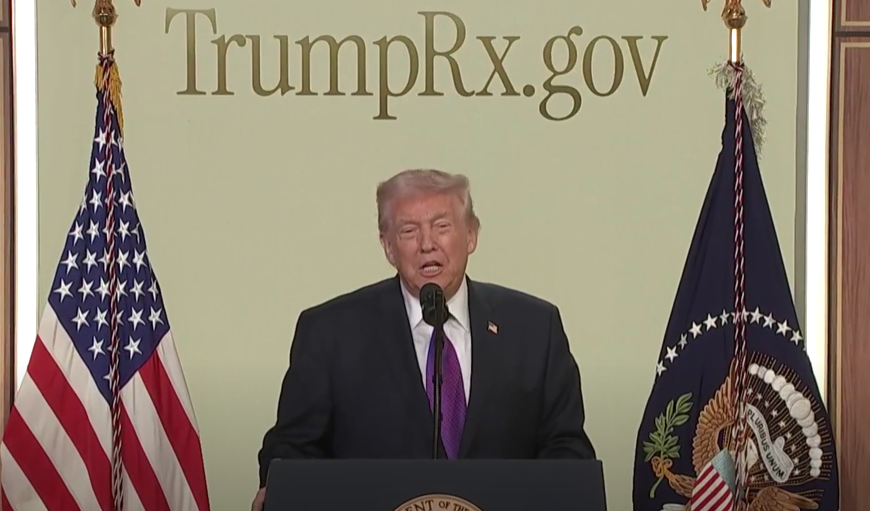
A recent law signed by President Donald Trump, called the “One Big Beautiful Bill,” includes a fee that could change how many people visit the US.
What is this fee, and how might it affect tourism? Let’s break it down.
What Is the Visa Integrity Fee?
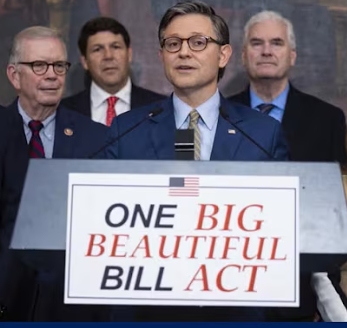
The “One Big Beautiful Bill,” signed into law on July 4, 2025, introduces a $250 “visa integrity fee” for most non-immigrant visas, like those for tourists, students, and business travelers.
This fee is added to existing visa costs and could increase based on inflation or decisions by the Department of Homeland Security. For travelers from over 40 countries in the Visa Waiver Program, the Electronic System for Travel Authorization (ESTA) fee is also rising from $21 to $40. These changes aim to improve immigration security but have raised concerns about their impact on tourism.
The bill also cuts funding for Brand USA, the organization that promotes the US as a travel destination, from $100 million to $20 million. This could make it harder to attract international visitors at a time when tourism is already declining.
How Will This Affect US Tourism?
Tourism is a big part of the US economy, with international visitors spending $254 billion in 2024. But experts worry the new visa fee could discourage travelers. A World Travel & Tourism Council study predicts a $29 billion drop in tourism revenue in 2025, partly due to higher costs for visitors.
Cities like Philadelphia and Kansas City, expecting big crowds for the 2026 World Cup, might see fewer international fans. For example, Philadelphia hopes to attract 500,000 visitors for the event, but the extra $250 fee could make some rethink their plans.
Theme parks like Disney World and Universal Orlando are already seeing fewer visitors. The new fee, combined with less marketing from Brand USA, could make things worse. Small businesses, like those in beach towns relying on seasonal workers with J-1 visas, might also struggle if fewer workers can afford to come.
What’s Next for Travelers and the US?
The visa integrity fee hasn’t started yet, and there’s confusion about how it will work. The Department of Homeland Security doesn’t control the visa process, so it’s unclear who will collect the fee or when it will begin.
The US Travel Association says this lack of clarity could confuse travelers and businesses. Some experts also argue that raising costs contradicts efforts to boost tourism, especially as other countries make travel easier.
Despite these concerns, supporters of the bill say the fee will help secure borders and reduce the federal deficit by nearly $30 billion over a decade. They argue it’s a small price for a stronger immigration system. But for now, travelers and the tourism industry are left wondering how these changes will play out.
You might also want to read: New Marks on Trump’s Hand Spark Fresh Speculation About His Health