How Will Prince Andrew Make Money Now?
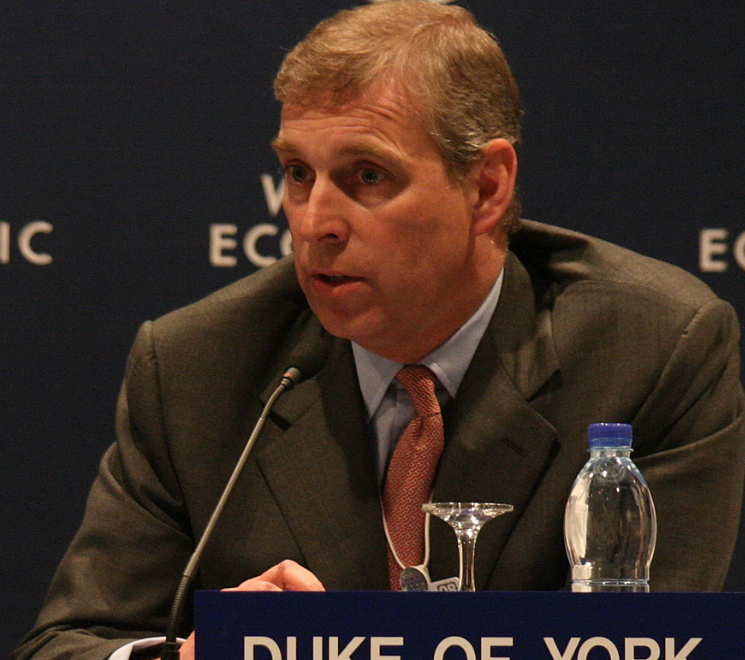
© CC BY-SA 2.0
With his decision to stop using his royal titles and honours—including the Duke of York—Prince Andrew is now under intense scrutiny about how he will support his lifestyle and security costs without the usual perks of being an active royal.
A close look at what he has and how he may generate income gives insight into his options moving forward.
What Changed Financially
By stepping back from formal royal duties, Prince Andrew is no longer eligible for funding from the Sovereign Grant, which supports working members of the royal family. According to reports, this move came amid renewed controversy over his ties to convicted sex offender Jeffrey Epstein and the forthcoming memoir from Virginia Giuffre.

This means he must rely on his personal finances, investments, property, and any private commercial endeavours rather than official royal allowances.
The Known Assets & Previous Income Streams
Andrew is believed to be worth around US $5 million (roughly £4 million) after various business ventures and investment sales. For example, he sold his former home in Sunninghill Park in 2007 for about £15 million.
He also received an annuity from the late Queen Elizabeth’s Privy Purse in earlier years, though this appears to have been cut off under King Charles. Additionally, his lease on the Royal Lodge—his Windsor residence—is protected until 2078, meaning his housing costs may be secure for now.
Potential Future Income Paths
Now that he no longer holds titles or public royal roles, analysts suggest how he might generate money going forward:
- Private business deals or consultancy: With his network, Andrew might act as a liaison or adviser for organisations tapping into global contacts. Some past speculation pointed to deals where he could be paid for introductions or speaking engagements.
- Real estate or investment returns: With capital already in place, passive income streams from property or equities could sustain his lifestyle.
- Philanthropy-branded ventures: Although no longer a working royal, charitable projects tied to his name might continue—potentially allowing for paid board or ambassador roles.
- Cost-management: Without the official royal duties, his expenses for public engagements may be reduced, which could maintain his financial equilibrium even without a large new income.
The Challenges Ahead & Risks
The road ahead is not without obstacles:
- Security and residence costs: Although he retains the Royal Lodge lease, upkeep and security for a large estate are significant expenses.
- Reputation risk: Because his public status has changed, attracting commercial partners may prove more difficult.
- Regulatory and transparency scrutiny: Media and political pressure remain high. Sources of income and business relationships will likely face public examination.
- Changing role expectation: Without the royal title backing, he now competes in the open market, not under the royal umbrella, changing how business relationships view him.
You might also want to read: Prince Andrew Steps Away from Titles Amid Royal Reckoning