Iceland Says ‘No Thanks’ to Eurovision 2026 Over Israel Row
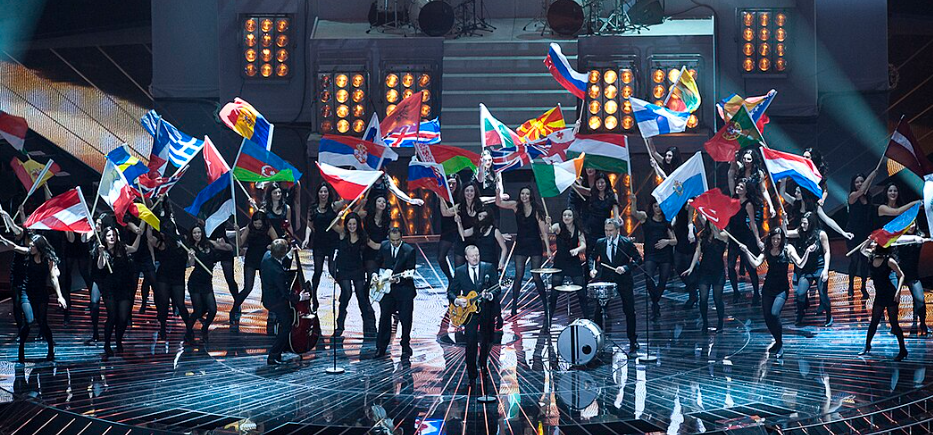
© CC BY-SA 2.0
Before the glitter guns and pyrotechnics of Eurovision can take the stage next May, politics have already reshaped the audience line-up. Iceland’s national broadcaster, RÚV, confirmed that the country will withdraw from the 2026 Eurovision Song Contest — a competition watched by millions across Europe and beyond — in protest of Israel’s continued participation.
This move makes Iceland the fifth nation to boycott the event, adding fresh uncertainty to what’s historically been a celebration of unity through music.
Why Iceland Is Withdrawing — Broadcaster’s Statement & Public Debate
Iceland’s public broadcaster RÚV held a board meeting on December 10 and concluded that participation in Eurovision 2026 would no longer bring “joy or peace” to the country, given the heated public debate over Israel’s inclusion.
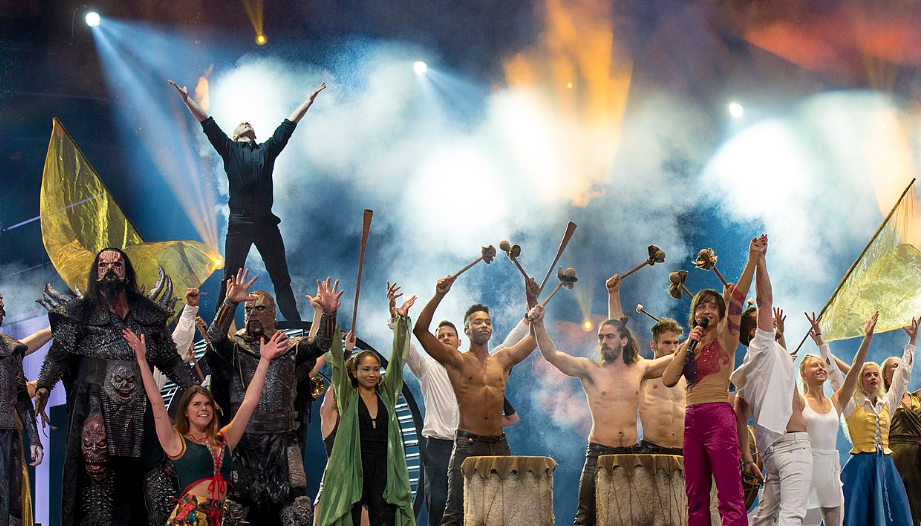
The broadcaster said that the controversy surrounding Israel’s presence — particularly in light of the ongoing war in Gaza and related international criticism — has made it impossible to view participation as a unifying cultural event. As a result, Iceland will not send an act to the competition scheduled to take place in Vienna in May 2026.
Growing Boycott — Which Countries Have Pulled Out?
Iceland isn’t alone. Its decision follows earlier withdrawals by several other European nations in protest of Israel’s participation after the European Broadcasting Union (EBU) chose not to exclude Israel from next year’s contest:
- Spain
- The Netherlands
- Ireland
- Slovenia
These broadcasters said participation under current conditions conflicts with their stated cultural and humanitarian values.
Iceland becomes the fifth country to confirm it won’t compete, illustrating the widening divide within the EBU over how to handle political controversy tied to the war in Gaza.
The EBU’s Role and Eurovision’s Identity Crisis
The European Broadcasting Union — which organizes Eurovision — faced mounting pressure from member broadcasters to take action on Israel’s participation. Rather than exclude Israel, the EBU opted to introduce new voting and governance measures aimed at maintaining neutrality and reinforcing trust in the contest’s processes.
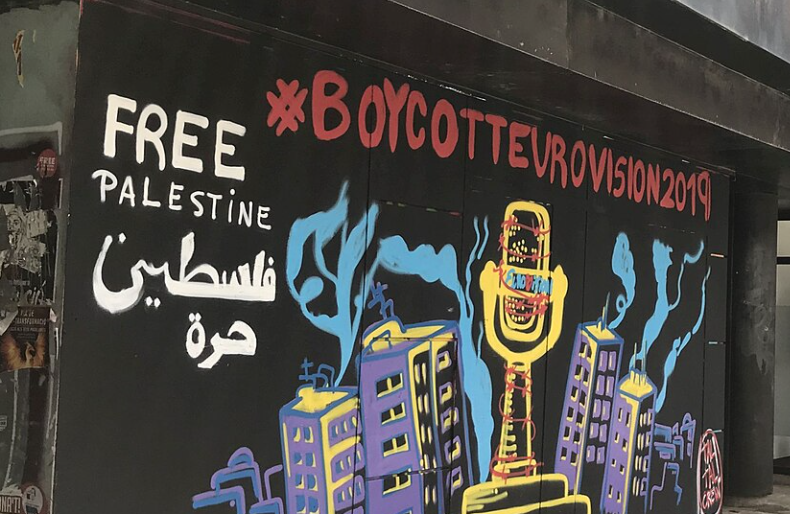
That decision effectively confirmed Israel’s spot in the 2026 competition but deepened the rift between the EBU and several national public broadcasters. Critics of the move argue it undermines the event’s traditional message of inclusion and unity, while supporters say excluding any country over political disputes would set a troubling precedent.
How This Affects Eurovision’s Future
Eurovision’s 70th anniversary edition was expected to be a milestone celebration — but the boycott has cast a sizable political shadow over the event. With five countries already confirming withdrawal, questions remain about:
- Whether more broadcasters might follow Iceland’s lead
- How much will the controversy affect viewership and participation
- Whether the EBU can preserve Eurovision’s non-political reputation amid geopolitical pressures
As the deadline approaches for final participation lists (expected before Christmas), Eurovision organizers will be closely watching how many countries ultimately compete. Iceland’s withdrawal adds to the growing sense that Eurovision, once celebrated as a purely musical showcase, now wrestles with broader political and cultural fault lines.
You might also want to read: Nemo Returns Eurovision Win in Israel Protest