James D. Watson, Nobel-Prize Winning DNA Pioneer, Dies at 97

Public Domain
James D. Watson, the American molecular biologist known for co-discovering the double-helix structure of DNA, has died at the age of 97.
His former research institution, Cold Spring Harbor Laboratory, confirmed he passed away in hospice care on Long Island following a brief illness.
The Discovery That Changed the World
In 1962, Watson, alongside Francis Crick and Maurice Wilkins, received the Nobel Prize in Physiology or Medicine for revealing how DNA stores and transmits genetic information. Their work underpins much of modern genetics, biotechnology, and medicine.
Career Highlights and Influence
Born in Chicago on April 6, 1928, Watson showed an early passion for biology, earning his PhD at just 23. He and Crick unveiled the DNA structure in 1953—an achievement often described as one of the most important in the history of biology.
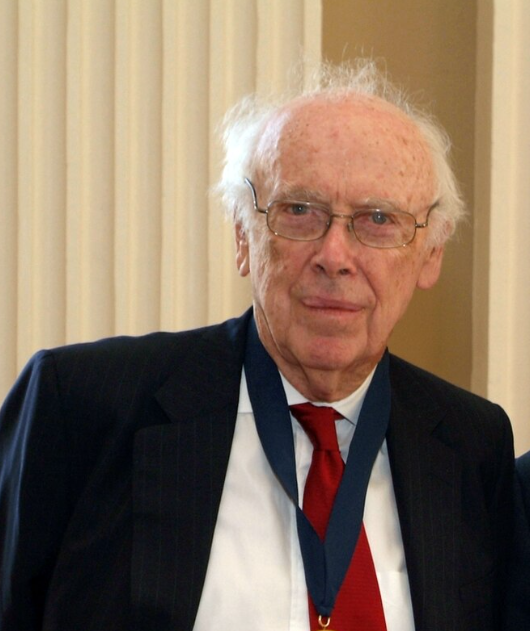
Watson later served as director and then president of Cold Spring Harbor Laboratory, and played a foundational role in launching the Human Genome Project. While he did not make scientific breakthroughs of the same magnitude later, his influence on molecular biology education, research strategy, and science policy was profound.
A Legacy Marred by Controversy
Watson’s scientific legacy is shaped by brilliance—and by later career-long controversies. In 2007 and onwards, he made public statements suggesting racial differences in intelligence, which sparked widespread condemnation and resulted in the removal of his honorary titles at his longtime institution.
While his contributions remain foundational, his reputation became complicated by these remarks and by a perceived arrogance and disregard for professional norms.
Why It Matters
Watson’s death closes the chapter on one of science’s most iconic—yet troubled—figures. The structure he helped unveil didn’t just reshape science; it reshaped how we think about life, heredity, medicine, and identity. At the same time, the controversies highlight that scientific genius doesn’t inoculate against human flaws, and that influence carries responsibility.
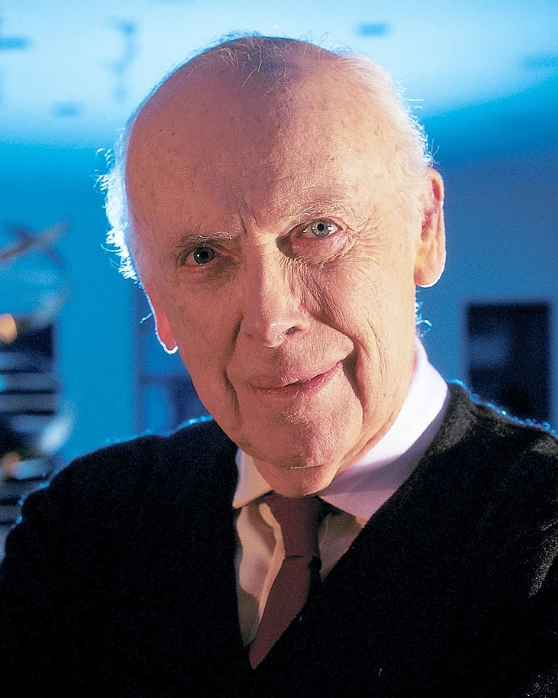
In the end, the story of James Watson is a reminder that discovery can be historic, while human character can be flawed—and the two can live side by side.
You might also want to read: Former Vice President Dick Cheney Passes Away at 84