JD Vance Dismisses Criticism, Says Trump’s AI Video Was Just a Joke
© Public Domain
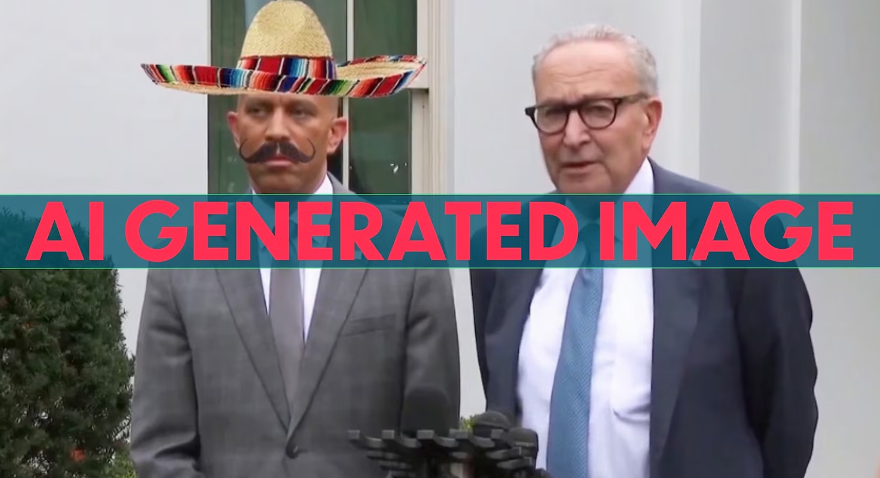
On September 29, President Donald Trump posted an AI-generated video targeting House Minority Leader Hakeem Jeffries and Senate Minority Leader Chuck Schumer.
The clip showed Jeffries wearing a sombrero and handlebar mustache with mariachi music playing in the background while a deepfake voice of Schumer spoke about Democrats supporting healthcare for undocumented immigrants. Critics, including Jeffries himself, labeled the video “racist” and “fake.”
The White House later replayed the video during a briefing, amplifying the controversy.
Vance Defends the Video as Harmless Fun
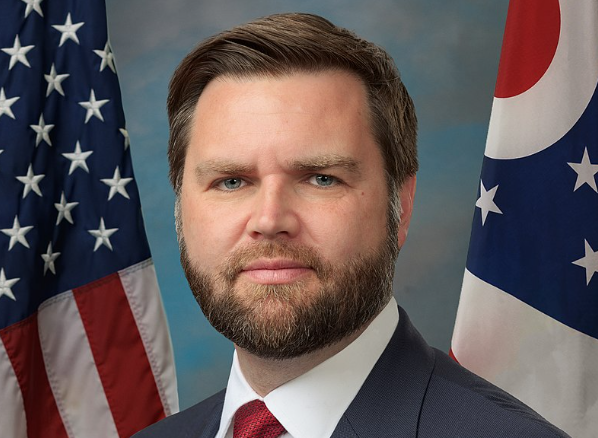
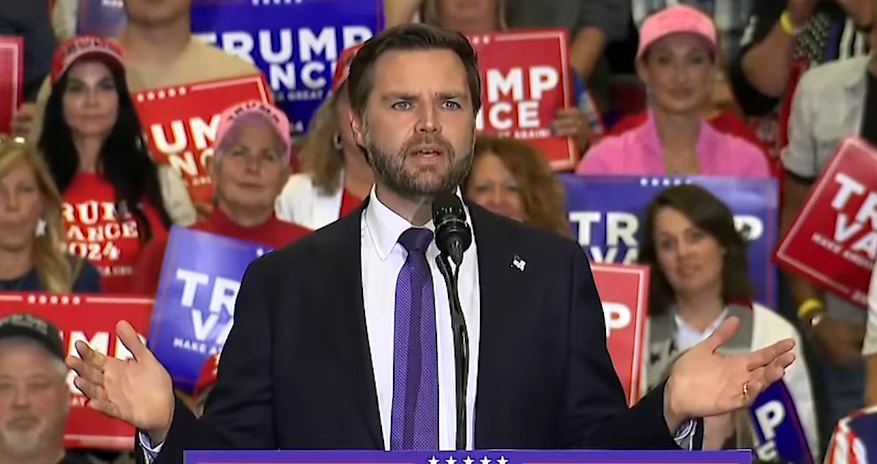
At a White House press event on October 1, Vice President JD Vance addressed the backlash directly. He dismissed concerns, saying, “Oh, I think it’s funny. The president’s joking, and we’re having a good time.”
He added that one can “negotiate in good faith while also poking a little bit of fun at some of the absurdities of the Democrats’ positions” and defended combining serious politics with humor.
Vance also said that he believed Americans understand the video is fake, and that Trump “likes to have a little bit of fun” in his public communications.
Critics Push Back — Calls of Racism & Disrespect
Democratic leaders were swift in their condemnation. Jeffries called the video “disgusting, racist, and fake,” describing it as a distraction from serious policy issues.
Senate Leader Schumer added that, if Trump treats governance like a joking matter, it highlights how incapable his administration is of taking serious negotiations.
Others questioned whether humor justifies using AI to misrepresent public figures in racially charged ways. Some analysts warned that such deepfake stunts could erode public trust and stoke polarization.
What This Signals Politically
- Escalating rhetorical tactics: The use of AI manipulation in political messaging marks a turning point in how political discourse is conducted — with satire, provocation, and mockery increasingly intertwined.
- Blurred line between parody and offense: Vance’s framing of the video as “just fun” highlights how partisan actors may use humor as cover, even when audiences view the content as offensive or harmful.
- Risk to credibility: Dismissing serious criticism as oversensitivity puts Vance and Trump at risk of being seen as detached or unserious — especially if legal or ethical frustrations escalate.
- Pressure on watchdogs & platforms: As AI-edited political content proliferates, demands grow louder for regulation, transparency, and fact checks to safeguard public information.
Conclusion
JD Vance’s response to Trump’s AI video — defending it as harmless humor — doubles down on an administration strategy of mixing entertainment with politics. While supporters may see it as a light touch, critics see deeper danger: distortion, stereotyping, and an erosion of trust in public dialogue.
As AI becomes a central tool in political messaging, how leaders respond — whether with accountability or deflection — will shape public norms about truth, satire, and respect in discourse.
You might also want to read: JD Vance Vows Crackdown on “Far-Left” Groups After Kirk’s Killing