John Lennon’s Killer Denied Parole Again — 14th Time in 45 Years
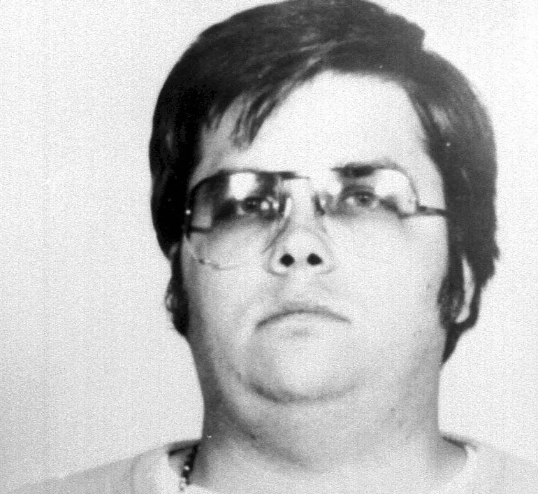
Public Domain
Nearly 45 years after the murder of John Lennon, Mark David Chapman has once again been denied parole.
The latest decision came after his August 27, 2025, hearing at New York’s Board of Parole — his fourteenth request for release since becoming eligible in 2000.
The Hearing: Admission of Motive, But Board Unmoved
In the hearing, Chapman, 70, reiterated his motive — admitting he killed Lennon partly to achieve fame, to “be a somebody” rather than remain anonymous. Though he expressed regret, the Board concluded his remorse lacked “genuine empathy” and noted his crime’s global significance made release incompatible with public safety.
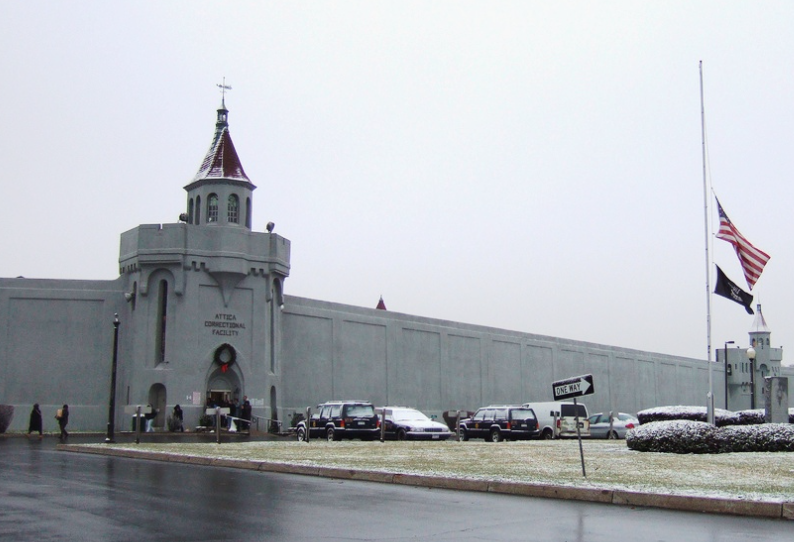
He is serving a 20-year-to-life sentence for shooting Lennon outside the Dakota building in Manhattan on December 8, 1980. Lennon was 40. Chapman has been held at Green Haven Correctional Facility.
Why the Denial Again
The Board’s decision rested on several key points:
- The premeditated nature of the crime and its impact: Chapman planned the killing and targeted someone world-famous, increasing its ripple effects.
- Not enough evidence of remorse or rehabilitation: While Chapman admitted the motive, the board found his remorse still lacked depth in recognizing the lifelong harm to Lennon’s family and fans.
- Public and victim-family opposition: Lennon’s widow, Yoko Ono, has consistently opposed his release, stating concern for her and her late husband’s legacy.
What This Means Moving Forward
Chapman’s next parole hearing is scheduled for February 2027. Given the consistent trend of denials, his chances appear slim for the foreseeable future. The board’s pattern reflects strong institutional reluctance to release someone who committed such a high-profile crime.
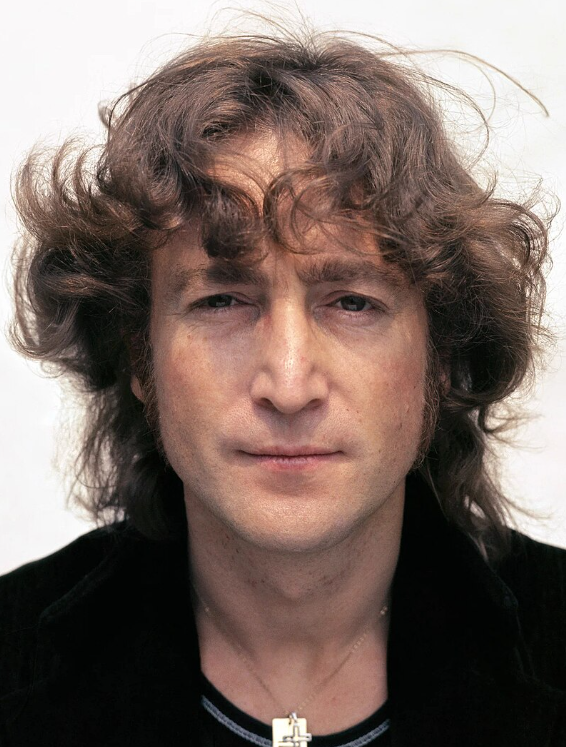
For Lennon’s family and fans, this decision provides some sense of accountability. Yet it also raises questions about life sentences, redemption, and how justice handles cases of extreme infamy.
Broader Implications
- Victim impact & legacy: Lennon’s murder remains one of the most iconic tragedies in music history. Decisions like these reflect how the justice system balances rehabilitation with the enduring damage caused.
- Parole board standards: The case highlights how parole decisions hinge not just on time served, but on demonstrated remorse, public safety risk, and the nature of the crime.
- Public memory: For many, Chapman isn’t just a prisoner anymore — his case remains symbolic of celebrity, violence, and cultural loss.
You might also want to read: Are You Ready For The Beatles’ Final Song? Lots of Tears Await!