Kanye West Says Apology Isn’t About Reviving Career
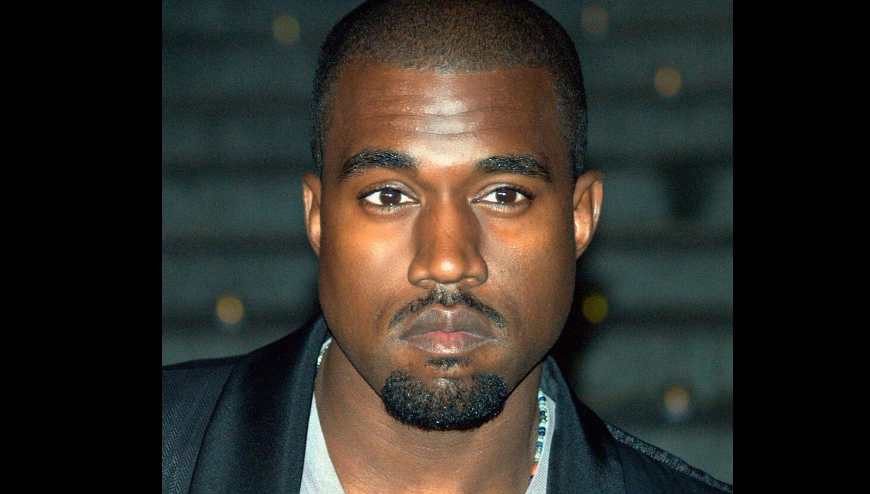
Public Domain
Kanye West — now legally known as Ye — has pushed back against suggestions that his recent public apology for past antisemitic remarks was a calculated attempt to revive his music career ahead of his upcoming album release. In a new interview, Ye said that the full-page apology letter he placed in The Wall Street Journal came from deep personal remorse and a wish to stand “on the side of love and positivity,” not to boost commercial interest.
Why the Kanye Apology Raised Eyebrows
Ye’s apology, published as a full-page WSJ ad in late January, followed years of public controversy — including antisemitic social media posts, promotion of Nazi imagery, and statements that alienated fans and business partners. Some observers questioned the timing of the apology because it coincides with the scheduled release of his forthcoming album Bully.
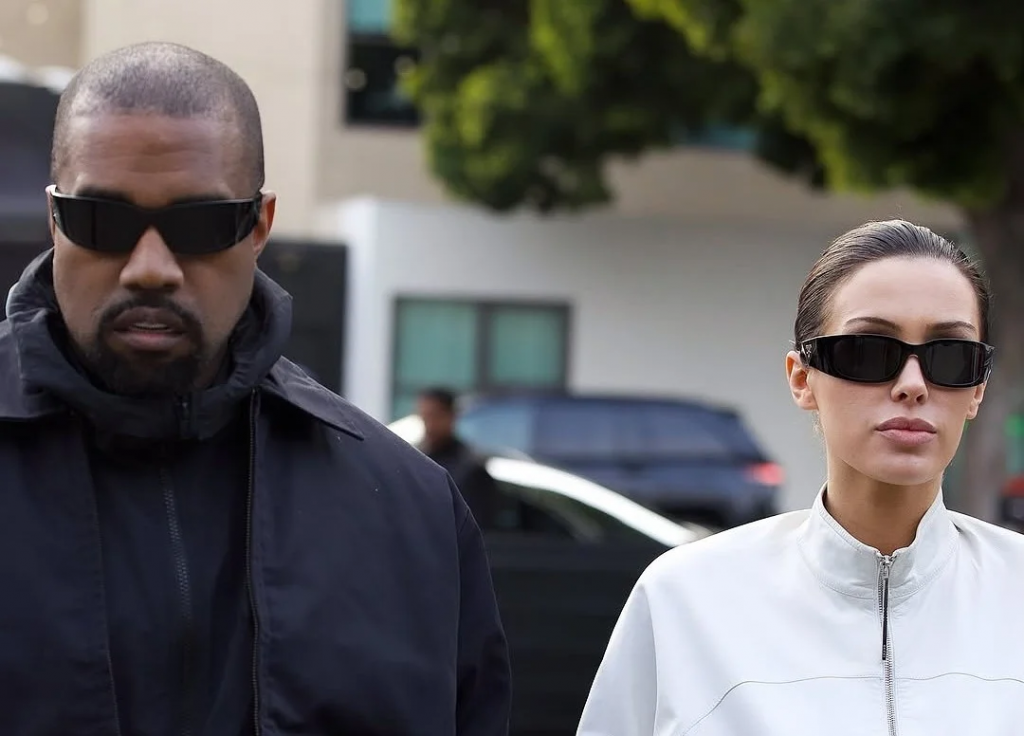
However, in his Vanity Fair interview, Kanye denied that the apology was intended to revive his commercial appeal, noting that his music was still widely listened to and streamed — including his 2007 album Graduation, which was among the most-streamed hip-hop albums of 2025. He described his apology as a moral imperative rather than a marketing tactic.
The Message Behind the Apology
In the interview, Kanye reiterated themes from his apology letter: remorse for words and actions that hurt the Jewish and Black communities, reflection on the “wreckage” left by past controversies, and a desire to align with “love and positivity.” He wrote that those remorseful feelings were “heavy on my heart and weighing on my spirit.”
Ye’s apology also touched on his mental health. He explained that a four-month manic episode in early 2025, significantly influenced by untreated symptoms tied to bipolar disorder, led to some of his most controversial public behaviour — including social media rants and provocative product releases. He described that period as one where he “lost touch with reality,” distancing himself from his core values.
Facing Criticism and Skepticism
Despite Ye’s insistence that the letter was sincere, some critics remain skeptical about the motivations behind it. Commentators and fans alike have pointed out that publishing a full-page apology in one of the nation’s most prominent newspapers naturally draws significant attention, potentially benefiting any concurrent project, including a music release. Furthermore, some believe that words alone may not be enough to rehabilitate his image without demonstrable long-term change.
Others have noted that not all questions in the interview were answered directly — Kanye declined some prompts about the origins of his antisemitic sentiments and how he has made amends in his personal life. Regardless, he framed his actions as part of a broad commitment to accountability and growth as both an artist and public figure.
Kanye Is Moving Forward
Ye’s stance in this interview underlines an effort to shift the conversation from controversy to personal responsibility and self-improvement. Whether audiences accept his narrative or continue to view the apology through a commercial or strategic lens is yet to be seen. But the conversation itself — around accountability, mental health, and the responsibilities of influence — is shaping how the artist’s next chapter unfolds.
You might also want to read: Kanye Issues Public Apology for Antisemitism, Blames Brain Injury