Why Lupita Nyong’o Said No to More Slave Roles
© CC BY-SA 3.0
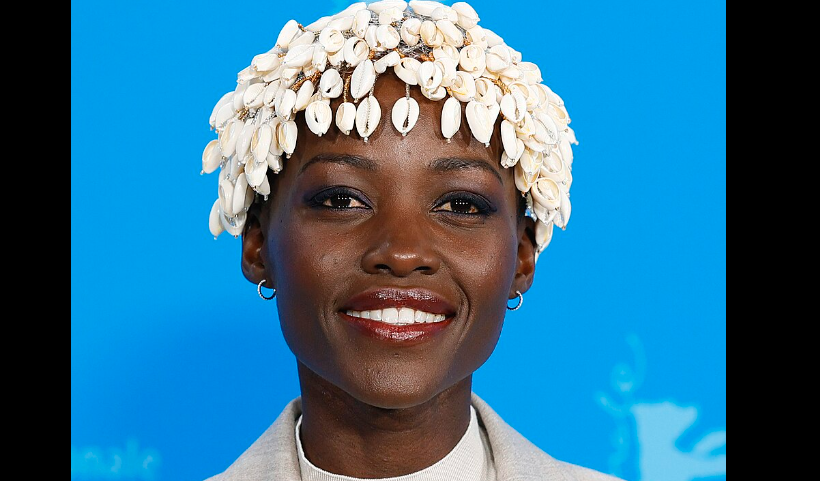
After winning her Oscar for 12 Years a Slave, Lupita Nyong’o expected her career to widen — more leading roles, more diversity, more creative freedom.
But reality was different: she says Hollywood kept coming back with “slave movie” offers. Not just another drama about suffering, but explicitly, “this time you’re on a slave ship.”
Loud Stereotypes, Quiet Strength
Lupita Nyong’o called that period “very tender.” She admits she had to tune out think pieces questioning whether her career would stall — especially because she’s a dark-skinned African woman. She pushed back, saying, “I’m not a theory. I’m an actual person.”
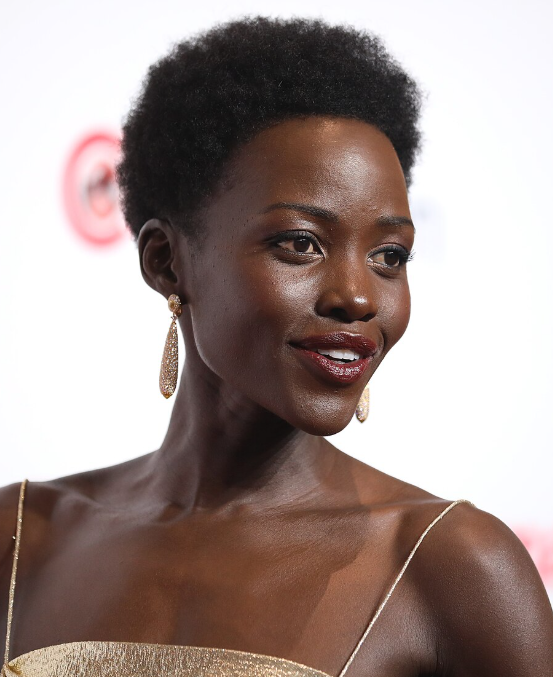
Casting directors kept sending her scripts that centered on trauma, pain, and historical suffering. She revealed that some pitches were strikingly similar—almost copy-and-paste versions of the role she had already mastered. One suggestion even involved her being on “a slave ship.”
For someone as talented and versatile as Nyong’o, this felt less like an opportunity and more like a limitation. She had delivered one of the most emotionally demanding performances of the decade, yet the industry responded by narrowing her creative space rather than expanding it.
Lupita Is Choosing Integrity Over Easy Money
Rather than playing into painful clichés, Lupita made a hard choice: turning down roles that perpetuated suffering. Even if it meant working less, she believed this was more important. She described herself as a “joyful warrior,” fighting to reshape how African stories are told.
A Bigger Message About Representation
Her decision isn’t just personal — it’s political. Nyong’o sees this as a way to challenge Hollywood’s lazy and repetitive casting for Black women. By refusing parts that only spotlight suffering, she’s pushing for stories that reflect joy, complexity, and dignity.
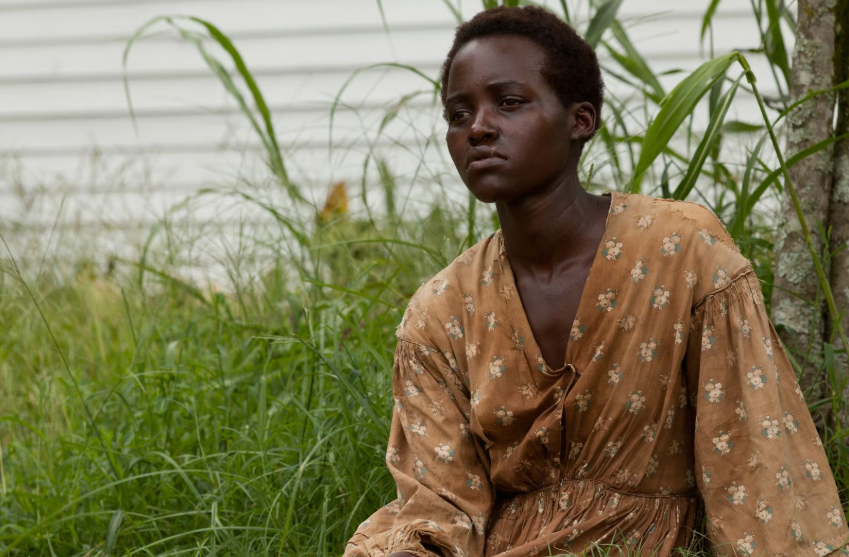
As a dark-skinned African woman, she understood the historical constraints placed on actresses who look like her. And she spoke openly about how frustrating it felt to be reduced to a single narrative—one centered on pain and violence, rather than humanity, joy, or adventure.
Nyong’o emphasized that she is not a symbol or a think-piece topic. She’s a person with agency, taste, dreams, and standards. And she wanted roles that reflected that.
Why People Are Listening
Fans and critics alike have praised her courage. Many say this reveals a deeper problem in the industry: even after a massive accolade like an Oscar, a Black woman can still be boxed into one narrative. Lupita’s stance is seen by many as a demand for real change — not just for her, but for how all African and Black identities are portrayed on screen.
You might also want to read: What’s Really Going On With D4vd?