A Woman Archived Over 300,000 Hours of TV on 71,000 VHS Tapes Across 35 Years. She Was Afraid People Would Rewrite History
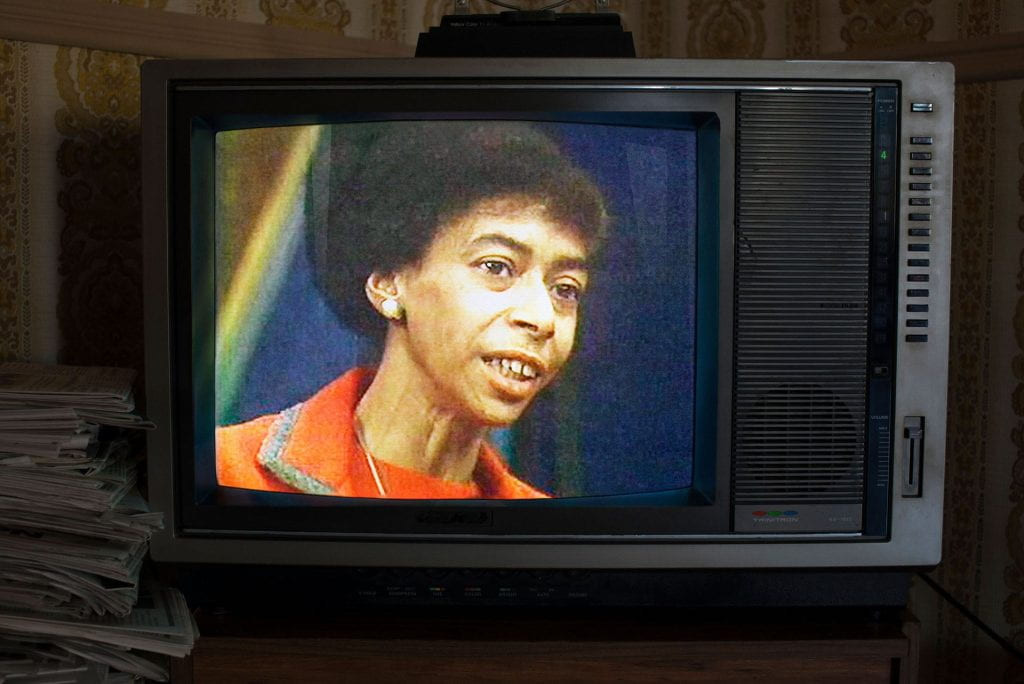
© RECORDER / The Marion Stokes Project
What motivated Marion Stokes to create the Marion Stokes Archive starting in 1979?
Imagine a home stacked with thousands of VHS tapes, each one capturing hours of television broadcasts.
This was the world of Marion Stokes, a woman who spent over 30 years recording TV news to preserve history.
From 1979 until her death in 2012, she amassed around 71,000 tapes, creating a one-of-a-kind archive.
Why did she dedicate her life to this project, and what drove her to keep it so private?
Her story is one of passion, secrecy, and a mission to protect the truth.
A Mission to Save the Truth
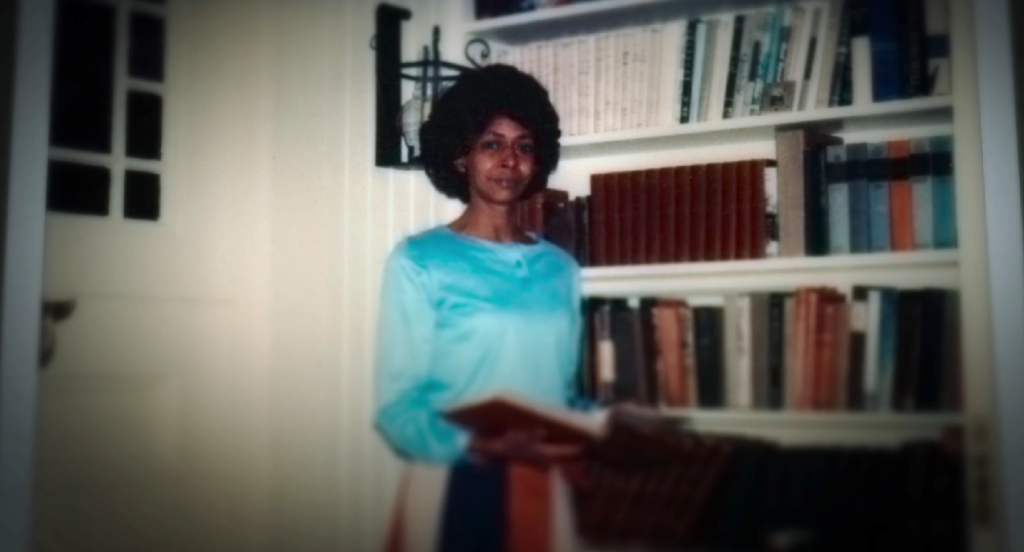
Marion Stokes, a former librarian and civil rights activist from Philadelphia, began her project during the Iranian Hostage Crisis in 1979. She was alarmed that television networks often erased their broadcasts to save money and space, risking the loss of critical historical records.
Stokes believed in preserving every detail of the news to ensure the truth wasn’t rewritten. “I’m archiving, that’s all,” she would say when asked about the stacks of tapes filling her home, a simple explanation for a monumental task.
Her commitment was relentless. She used up to eight VCRs to record channels like CNN, MSNBC, and C-SPAN around the clock. Family dinners were timed around changing tapes every six to eight hours. Stokes even purchased additional apartments to store her growing collection, which included not just news but commercials, talk shows, and sitcoms.
Her son, Michael Metelits, described her work as a form of activism, noting she wanted “to protect the truth” from being altered or forgotten. This drive came from her early experiences as a political activist, where she faced government surveillance, making her wary of how the media could shape narratives.
Marion Stokes Archive: A Legacy Preserved
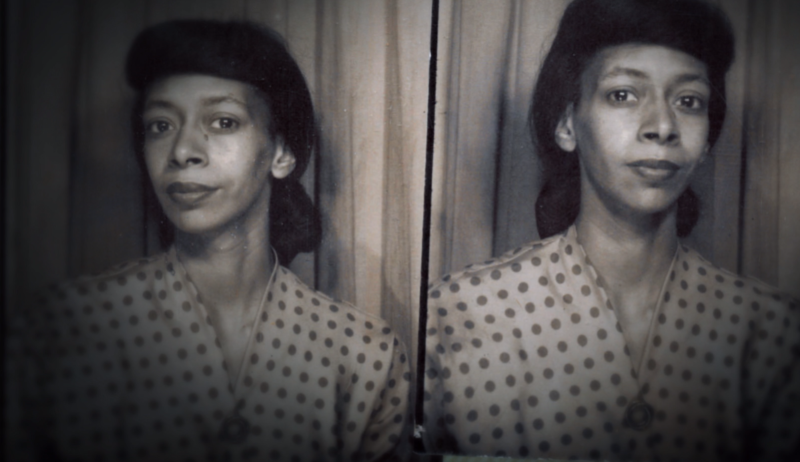
When Stokes passed away in 2012, her collection of 71,000 VHS and Betamax tapes was left to her son. The sheer size of the archive posed a challenge—what could be done with such a massive collection? After much consideration, Metelits donated it to the Internet Archive in California.
The tapes, moved in four shipping containers at a cost of $16,000, are now being digitized, a process that may take years and millions of dollars. Once complete, the public will have free online access to search and view these recordings.
The archive is a goldmine for researchers, historians, and journalists. It captures major events like 9/11 and the Sandy Hook shooting, alongside everyday moments like local news and advertisements.
Stokes’ tapes offer a raw, unfiltered look at how news was reported and how it shaped public views over decades. Her work, often called “guerrilla archiving,” stands out because few others preserved television with such care and scale.
A Private Life Dedicated to a Cause
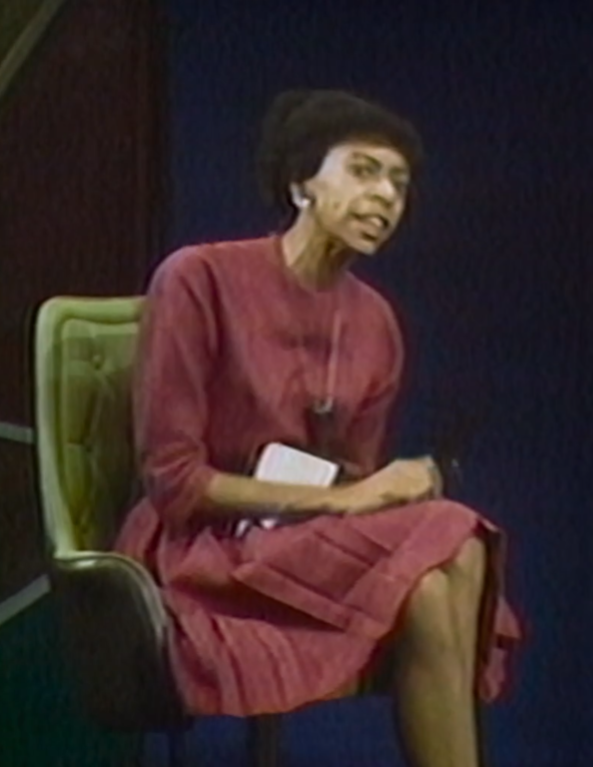
Marion Stokes was a deeply private person, and her massive VHS archiving project was a closely guarded secret during her lifetime. Known only to her family and a few trusted associates, like her secretary Frank Heilman, she rarely shared details about her work.
When curious visitors asked about the stacks of tapes filling her Philadelphia home, she would simply say, “I’m archiving, that’s all,” as her son Michael Metelits recalled in a Fast Company article. This brief statement hid the scale of her mission to record over 300,000 hours of television across 71,000 VHS tapes.
Stokes’ private nature grew stronger in her later years, shaped by her past as a civil rights activist and librarian in the 1960s. During that time, she co-produced a Philadelphia public affairs show called Input, where she spoke openly about her political views.
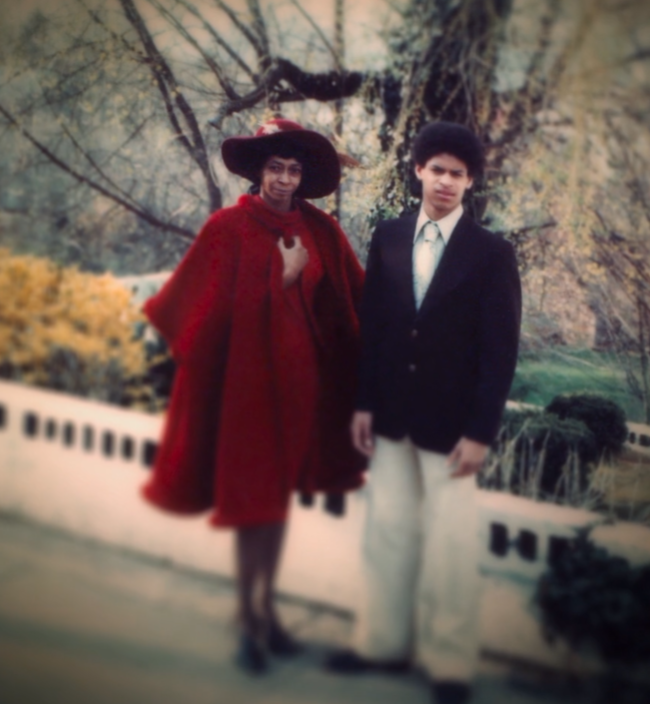
However, her experiences with government surveillance for her activism left her wary of external entities. This distrust influenced her decision to keep her project quiet, avoiding interviews or public discussions about her taping. She believed the media could be altered or lost, and she wanted her archive to remain untouched by outside forces.
Her reclusive lifestyle also affected her family. Stokes prioritized her archiving over social activities, often pausing family time to change tapes every six to eight hours.
Despite her private demeanor, her commitment was clear to those close to her. Her son described her work as a form of activism, a way to preserve truth for future generations. Stokes’ secretive approach ensured her collection remained authentic, a true reflection of the news and culture she captured over 35 years.
A Vision Ahead of Its Time
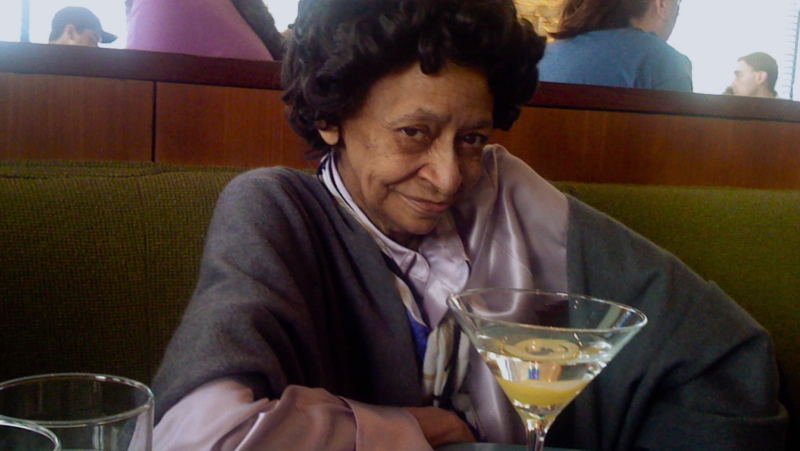
Stokes’ project was visionary, recognizing the power of media long before the digital age. She understood that television was shaping society, and she wanted future generations to study it objectively.
“I’m archiving, that’s all,” she told those who questioned her, but her actions spoke louder, reflecting a deep commitment to preserving unedited history. Her reclusive nature and distrust of technology like DVRs—she avoided them, fearing surveillance—kept her project private until after her death.
Her archive also reveals her foresight in technology. An early investor in Apple, Stokes amassed a fortune that funded her project and collected numerous Macintosh computers, believing in their potential to change the world.
Despite personal costs, including strained family ties, her legacy endures through the Internet Archive’s efforts. Stokes’ story inspires us to think about how we preserve information today, especially as media shifts to digital platforms that may not last forever.
You might also want to read: Father-in‑Law Shoots Daughter‑in‑Law at Family Wedding