Mark Zuckerberg Caught on Hot Mic With Trump During Dinner
© MSNBC NEWS / YouTube
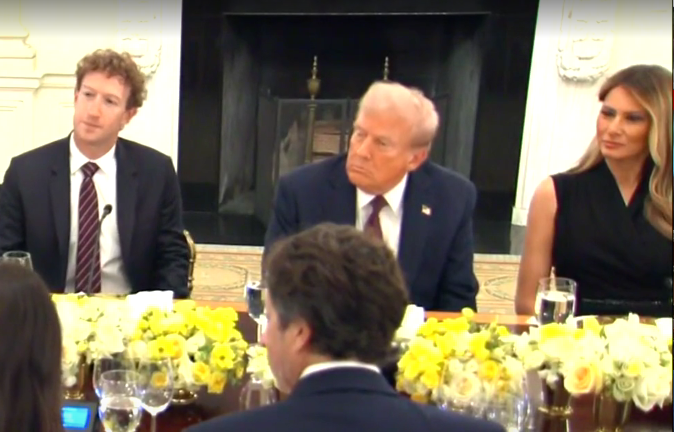
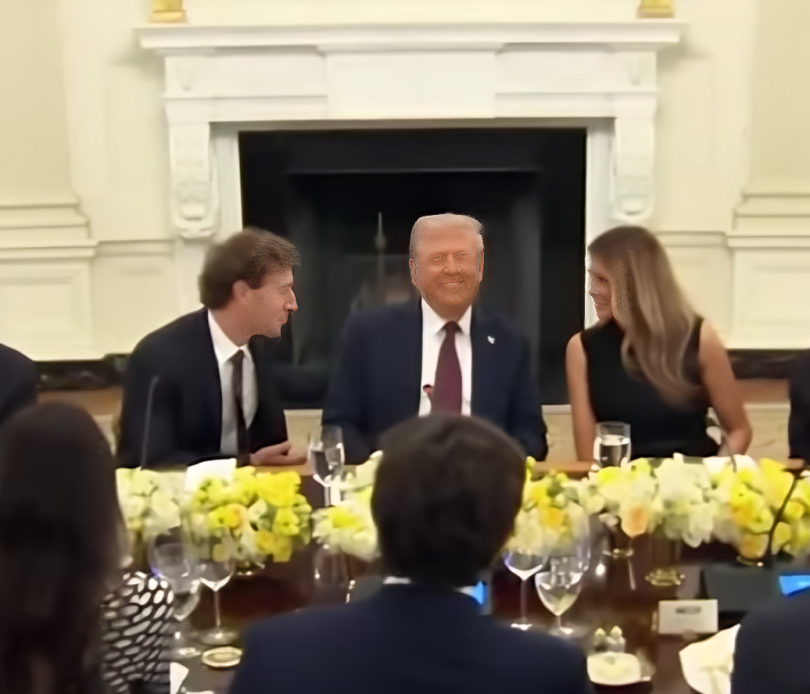
During a White House dinner with President Donald Trump and several top tech leaders, Meta CEO Mark Zuckerberg committed a revealing “hot mic” moment.
After publicly pledging that Meta would invest approximately $600 billion in U.S. infrastructure through 2028, Zuckerberg leaned in privately and was heard apologizing to Trump, saying, “Sorry, I wasn’t ready… I wasn’t sure what number you wanted to go with.” The candid exchange quickly went viral online.
The Setting: A Table of Titans
The event, hosted by President Trump, gathered notable figures from Silicon Valley—including Microsoft co-founder Bill Gates, Apple CEO Tim Cook, Google’s Sundar Pichai, OpenAI’s Sam Altman, and others.
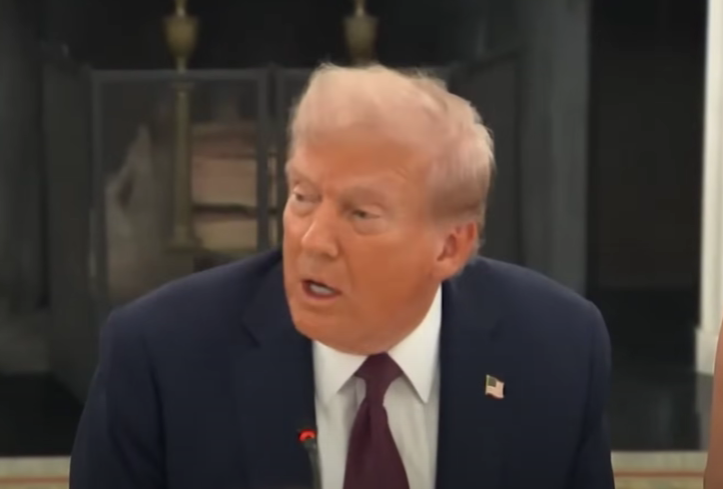
While many expressed enthusiastic support for Trump’s pro-business policies, Zuckerberg’s flustered reaction highlighted a rare moment of hesitation amid the polished messaging.
When Numbers Are Made to Please, Mark Zuckbergerg Tries to Hide
Zuckerberg’s on-the-spot estimate of $600 billion drew attention for its scale. Meta’s actual asset valuation falls well below that figure, casting the pledge as more symbolic than rooted in public-facing financial strategy.
The off-camera admission that he was improvising the number sparked criticism regarding corporate sincerity and raised eyebrows about the relationship between tech execs and political optics.
Public Reaction: Unease Lacing Admiration to Mark Zuckerberg
The crowd and media response were swift. Some viewed Zuckerberg’s apology as a sign of undue deference or rehearsed spectacle, while others found it refreshingly human—an unvarnished look at the tension between real-time diplomacy and performance.
The moment also triggered broader debate on how tech leaders measure success, craft public image, and communicate with policymakers.
Why It Matters
This exchange goes beyond an embarrassing audio leak. It reflects how political pressures, media theater, and business expectations converge in high-stakes arenas like the White House.
When tech leaders shape pledges in real time, there’s a risk that such numbers become more narrative than plan—making transparency, credibility, and strategic clarity all the more crucial.
You might also want to read: Trump Moves to Rebrand Pentagon as “Department of War”